

|
Getting your Trinity Audio player ready...
|
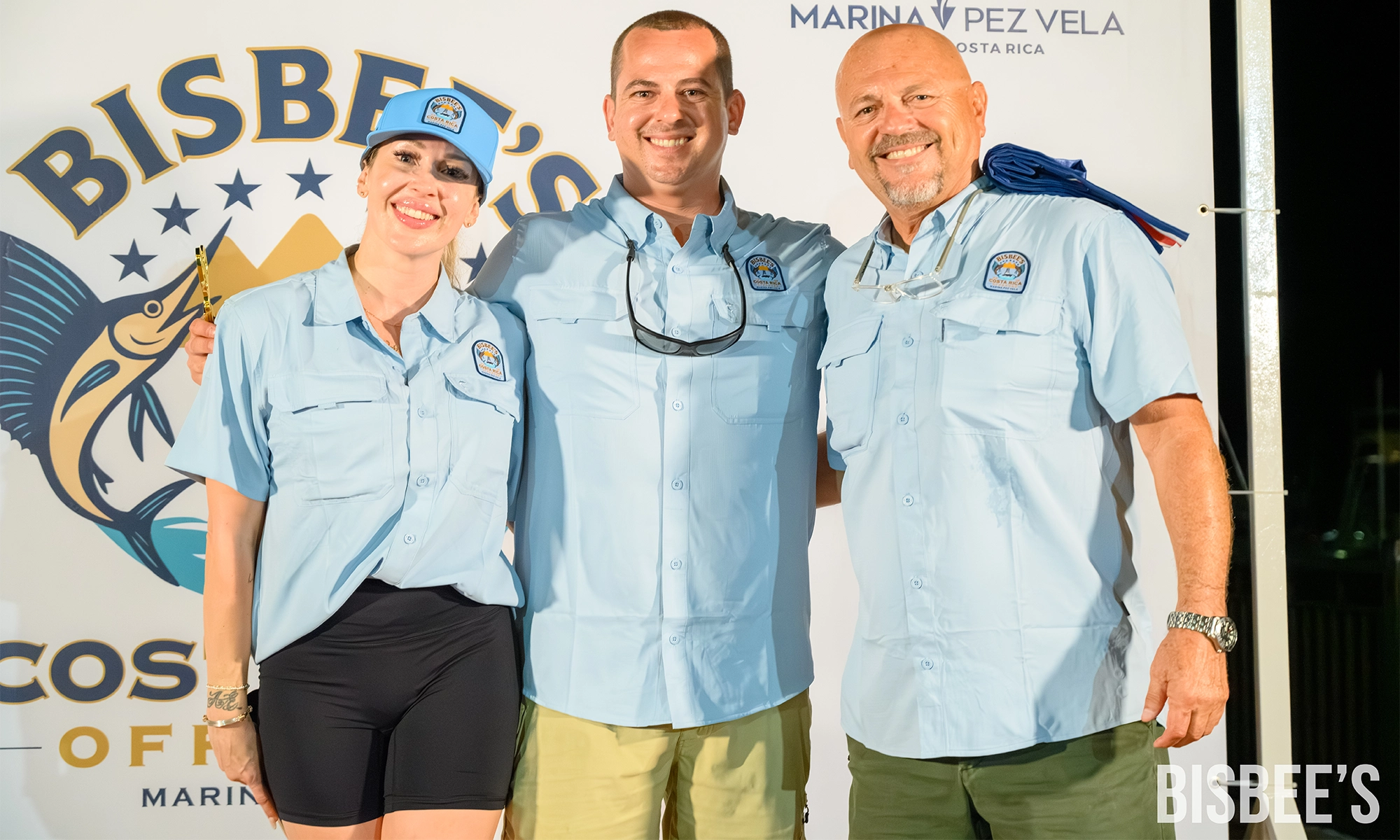
We recently had the chance to sit down with Jordyn Bisbee, third generation, and talk about forty-five years of tournaments in Los Cabos and what comes next. Read on to get the inside perspective.
The Origins, and Forty-Five Years in Cabo
Your grandfather started this in 1981 with six boats. What did he see in Cabo that others didn’t?
He saw the potential. The fishing in Cabo San Lucas has always been incredible, and it wasn’t that far from Southern California, as we were all in Newport Beach and Costa Mesa at the time. I think he just fell in love with Mexico, fell in love with fishing, and then it all went from there. Looking back, he clearly had a vision. The tournaments built on each other year after year, Cabo grew, and the tournament grew with it. They’ve been inseparable ever since.
After 45 years, what do the tournaments give to Los Cabos, and what does Los Cabos give back to the tournaments?
When you think of Bisbee’s, you think of Cabo San Lucas, they’re synonymous. We wouldn’t be anything without Cabo. Each year, we have teams from every U.S. state and 15 different countries traveling there to fish. It’s a premier destination, the fishing is top-notch, and when you add Bisbee’s into the mix, it’s a perfect storm. That pours into jobs, hotels, restaurants, the whole local community. A few years ago, we read that Bisbee’s brings in upwards of US$100 million over a two-week period. A hundred million dollars to any community is amazing.
A Different Pace at the East Cape
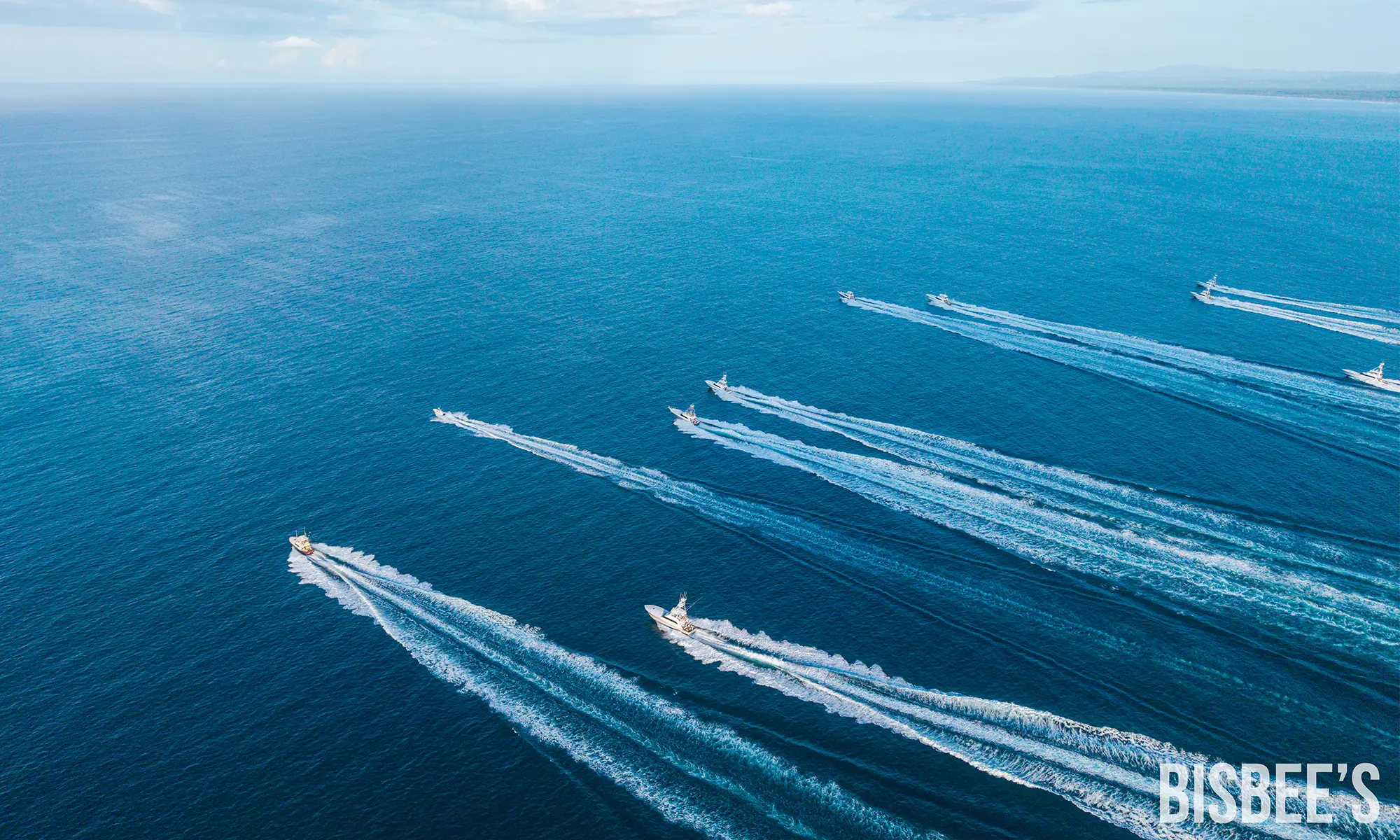
Photo courtesy of Bisbee’s Offshore Tournaments
The East Cape Offshore has a reputation for feeling like what Cabo used to be. How do you describe it?
That’s exactly how I describe it. Los Barriles is Cabo twenty-five, thirty years ago. It’s more laid back, the vibe is more relaxed, and I love that we kick off our tournament season there. There’s still serious money on the line, usually around US$2 million, but the energy is different. We as a family actually get to engage with our anglers. Everyone stays at the Buena Vista Beach Resort, so we’re on site. And it’s three species instead of one: marlin, tuna, and dorado.
It’s nostalgic for me. I’m not quite forty, but I remember Cabo as a kid, coming down to see my grandpa and my dad during the tournaments. I’ve watched the shift from then to now. East Cape reminds me of what it used to be. I actually bring my own daughters to that one, because Black & Blue and Los Cabos Offshore are big, and I can’t be in mama mode and tournament mode at the same time. East Cape lets me do both.
Who fishes the East Cape that doesn’t fish the Black & Blue?
It depends on the team. We get a lot of Mexican teams at East Cape, a lot of the local teams will fish that one. Beyond that, it’s about the calendar. East Cape is at the end of July, beginning of August. The Cabo tournaments are stacked back-to-back in October. Some teams start with East Cape and fish the whole circuit. Others prefer just the October events. It depends on what they’re after that season.
Loreto as the Next Frontier
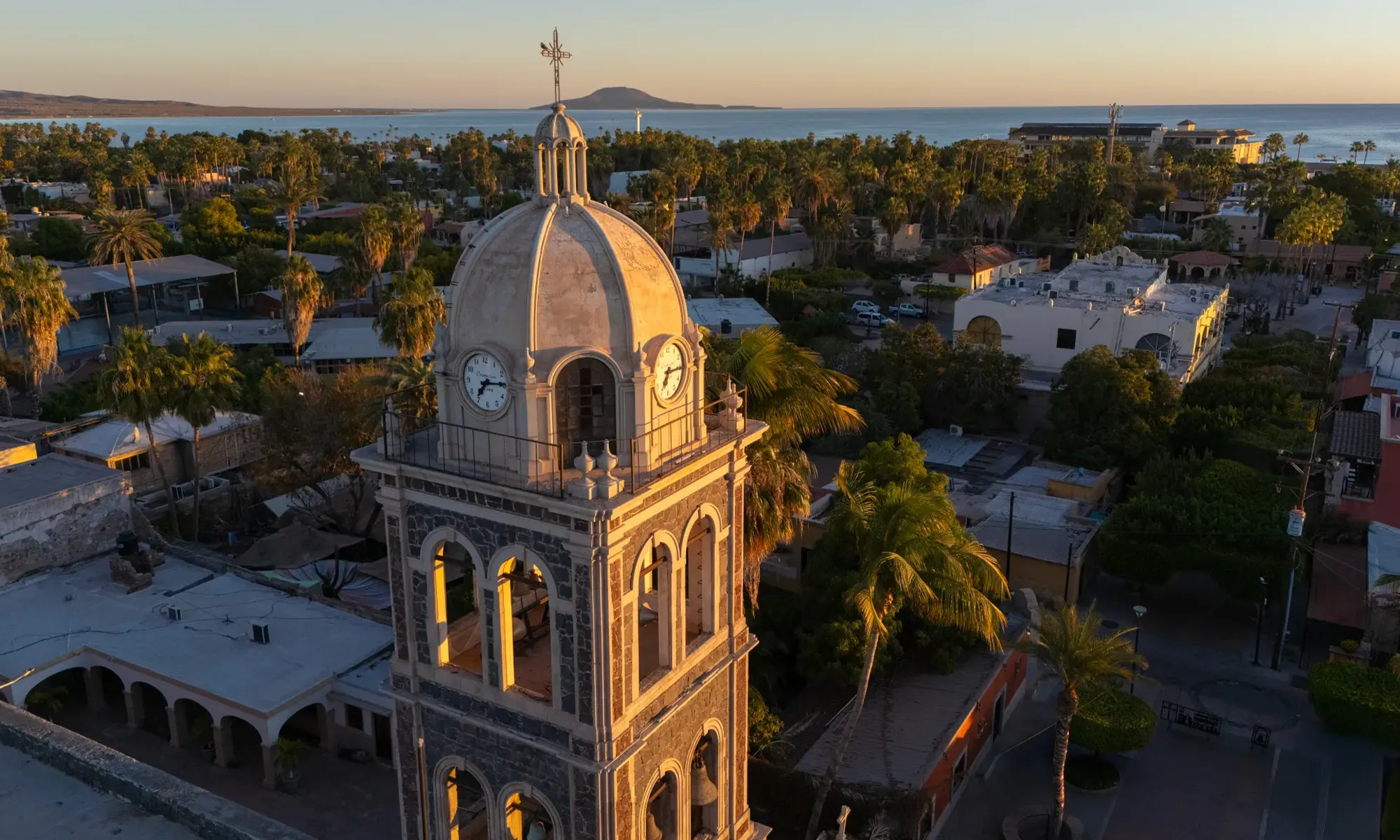
Loreto keeps coming up as the next frontier in Baja. Is a Bisbee’s tournament there on the table?
We get asked all the time. My brother and I are the third generation, so we’re young, we’re hungry, we love Mexico, and we love the different fishing in different cities. So I’d say it’s always plausible that there could be other tournaments around the area.
Loreto is beautiful. It’s building, and our real estate group is already involved: my partner Harry is working on the marina being built there right now. That’s going to bring more boats, more tourism, and more fishing to the city. I love Loreto. I think it’s still kind of a hidden gem. I almost hope it doesn’t get too discovered. But yes, I do see Bisbee’s expanding to other parts of Mexico when the time is right.
Conservation in the Age of Catch and Release
It’s interesting that someone who runs fishing tournaments is also very committed to conservation. How do you reconcile those two things?
People do find it interesting. But what they don’t realize is that fishermen and hunters are some of the biggest conservationists on the planet. In reality, offshore recreational sportfishing has no bearing whatsoever on the ocean’s fisheries. The plight of the world’s fisheries that we have is due to pressures from the large commercial fishing fleets that can do more damage to fish stocks in a week than recreational boats could do in a lifetime.
Our tournament’s take the general sport fisherman’s conservation mindset even further by implementing strict minimum fish weights. If a fish doesn’t meet the minimum weight, it gets released. This lowers the fish mortality rate of the Los Cabos port considerably on tournament fishing days. We also donate every fish that does come in to local charities. Last year, we provided over 47,000 meals to the underprivileged people of Los Cabos through Hope for Los Cabos.
The bottom line is that fishing ethically and sustainably is the right way to do it. We want these animals to thrive and be there for years to come.
What a First-Timer Can Expect
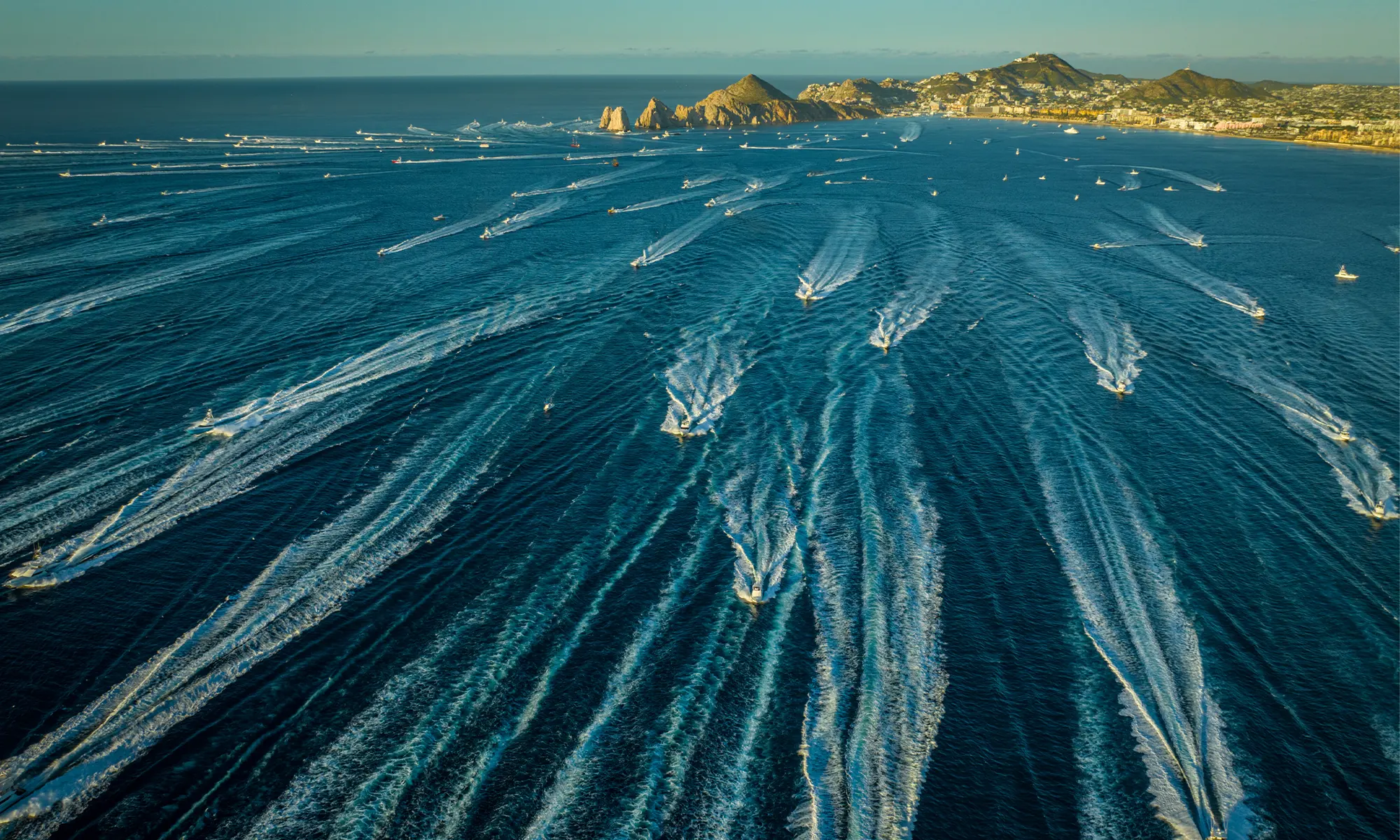
Photo courtesy of Bisbee’s Offshore Tournaments
For someone in Southern California who’s never been to a Bisbee’s tournament, what do you tell them?
Sports Illustrated once called us the Super Bowl of sport fishing, and I think that’s the best line we’ve ever gotten. You’ve got hundreds of anglers from every state and fifteen countries, competing for the richest tournament in the world, against the backdrop of Cabo San Lucas. When you mix money, location, and the energy of everyone who shows up, it’s quite an experience. It’s honestly hard to explain unless you’ve been. We’re known as a bucket list event. Whether you fish with us for years or just cross it off the list once, I don’t think anyone leaves disappointed.