

|
Getting your Trinity Audio player ready...
|
The term “Blue Economy” emerged in the early 2010s through international sustainability discussions led by the United Nations, as a framework to address the stress shown by coastal regions, proposing that economic use of the ocean should be planned with long-term environmental limits in mind.
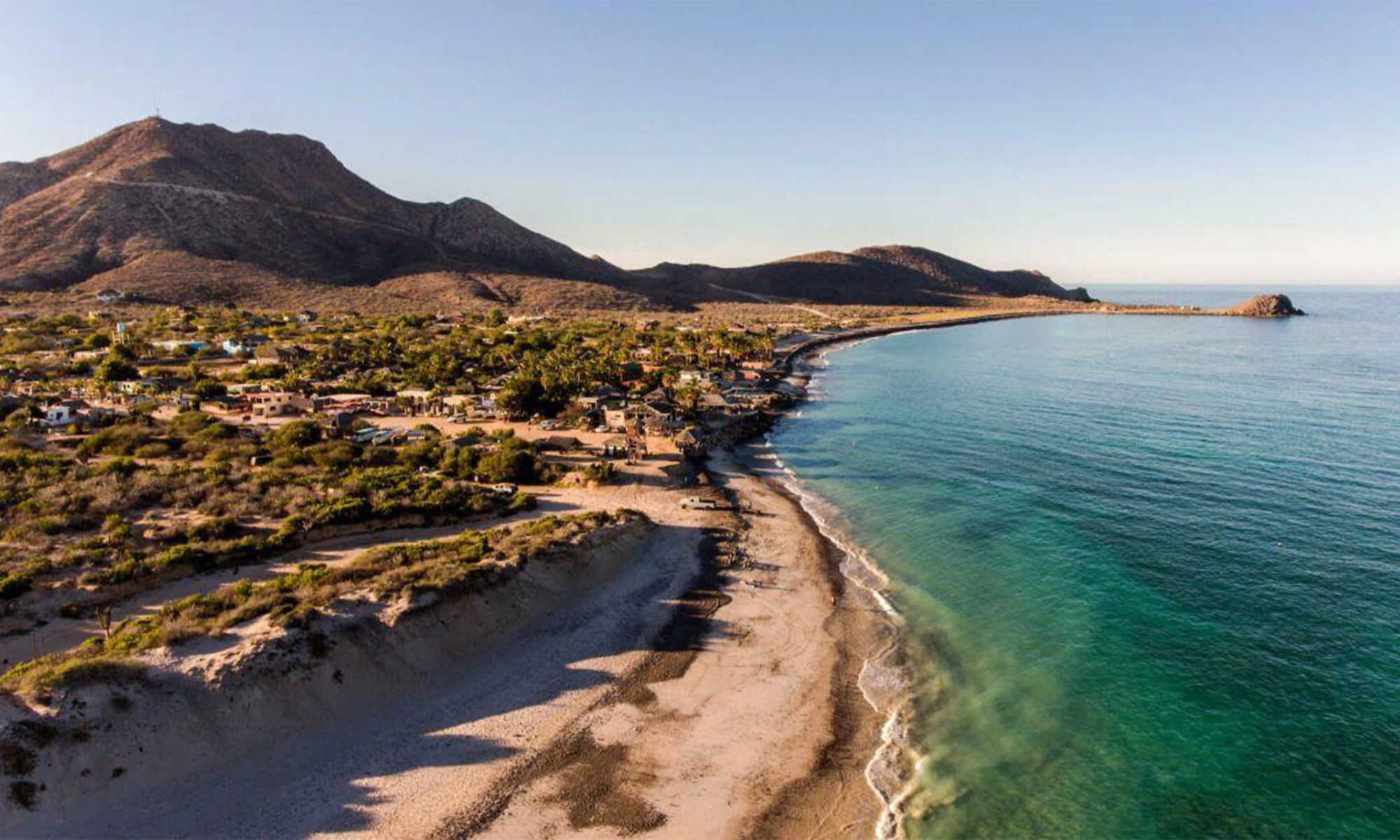
In Baja California Sur, this idea is directly tied to how the region functions. The state’s economy is built around its coastline. Tourism leads overall activity, while fishing and related industries continue to support coastal communities. All of these sectors depend on the same resource base, making the condition of the ocean a defining factor in economic stability.
How It Applies on the Ground
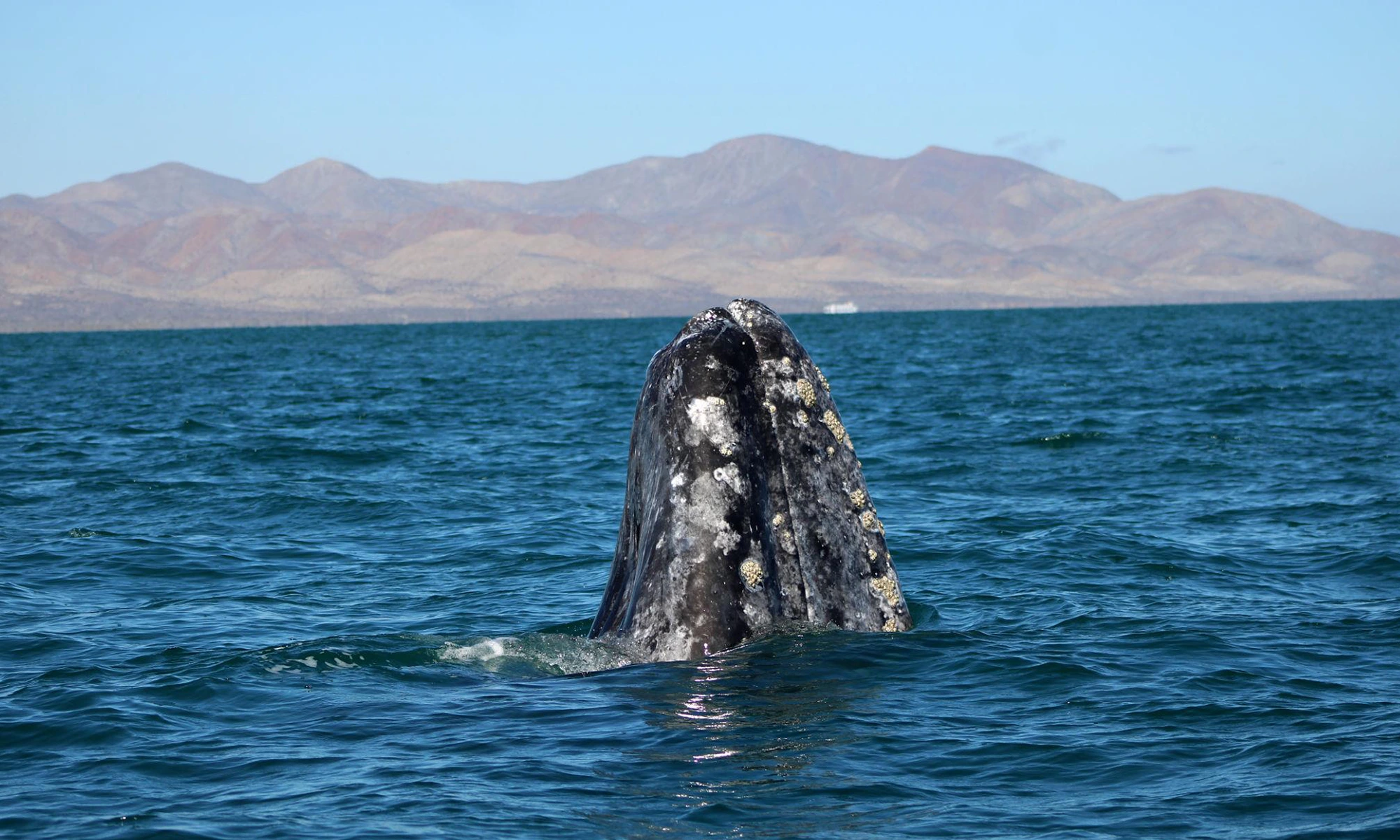
The Blue Economy is a framework for organizing existing industries.
Tourism is the most visible example. Marine-based activities such as whale watching and sportfishing generate significant revenue across Baja California Sur and support a broad service network tied to hotels and guiding operations. Their value depends directly on biodiversity and water quality, which creates a direct link between conservation and economic performance.
Fishing presents a different perspective. It remains a foundational activity in many coastal communities, but it is also where environmental limits are most evident as changing ocean conditions have made traditional extraction less predictable. As a result, many fishers have begun to diversify, moving partially into tourism or aquaculture as a way to stabilize income while reducing pressure on wild stocks.
In Baja California Sur, conservation increasingly functions as part of the broader infrastructure, reinforcing the long-term viability of multiple sectors rather than competing with them.
Aquaculture and the Local Shift
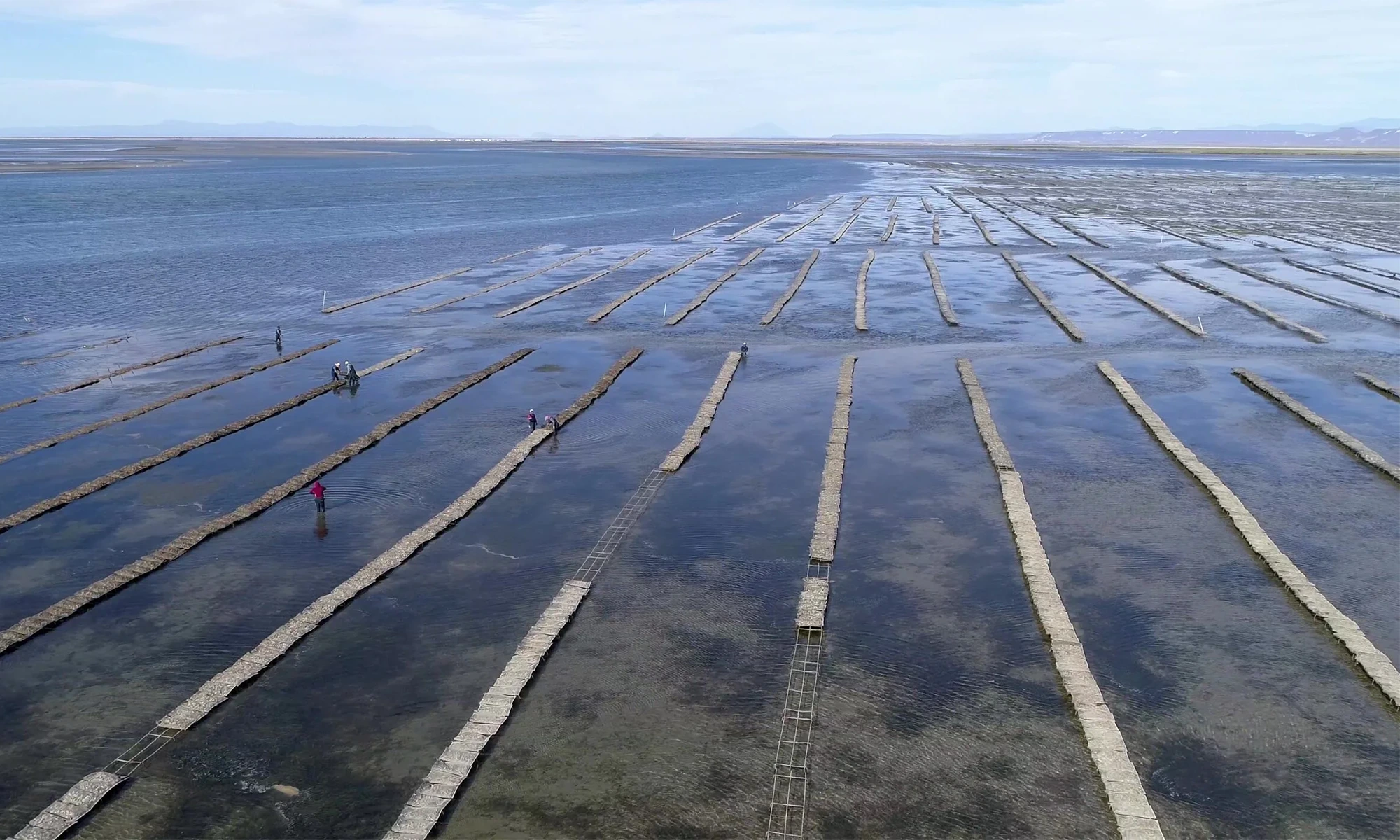
Photo by Sol Azul Oysters
Aquaculture has developed in Baja California Sur as a practical example of how the blue economy can operate. The movement refers to the shift towards the cultivation of marine species in controlled or semi-controlled environments, and it’s often presented as an alternative to wild fishing.
One example of this can be found in local initiatives that have focused on expanding small-scale oyster production in coastal lagoons, where natural conditions allow for cultivation without intensive infrastructure. These projects are designed to work with existing ecosystems, relying on water circulation and seasonal cycles rather than artificial inputs.
That approach was recently discussed in a more formal setting during a sustainability symposium held as part of Mulege’s Oyster Festival, where producers and researchers examined the role of aquaculture within a broader blue economy framework. The conversations focused on how oyster farming can generate income while maintaining environmental balance, particularly through its natural water filtration properties and relatively low ecological footprint.
Oysters also contribute to the environment in which they grow. As filter feeders, they improve water quality by removing particles and excess nutrients. This creates a system where production and environmental maintenance are linked, rather than in opposition.
Reporting by Gringo Gazette on the symposium highlighted how these initiatives are already showing measurable results in Baja California Sur, particularly through the expansion of oyster farming in areas such as Mulege, where production has increased while maintaining low environmental impact.
Consistency, not scale, defines the model. It is designed to work within environmental limits, prioritizing long-term viability over short-term output.
A Broader Transition
The blue economy in Baja California Sur reflects a gradual adjustment rather than a complete transformation. Tourism continues to grow, and fishing remains part of the regional structure, but both are increasingly influenced by environmental considerations.
Economic decisions are now shaped by ecological conditions. Marine ecosystem health is a factor that directly determines growth and opportunity.