

|
Getting your Trinity Audio player ready...
|
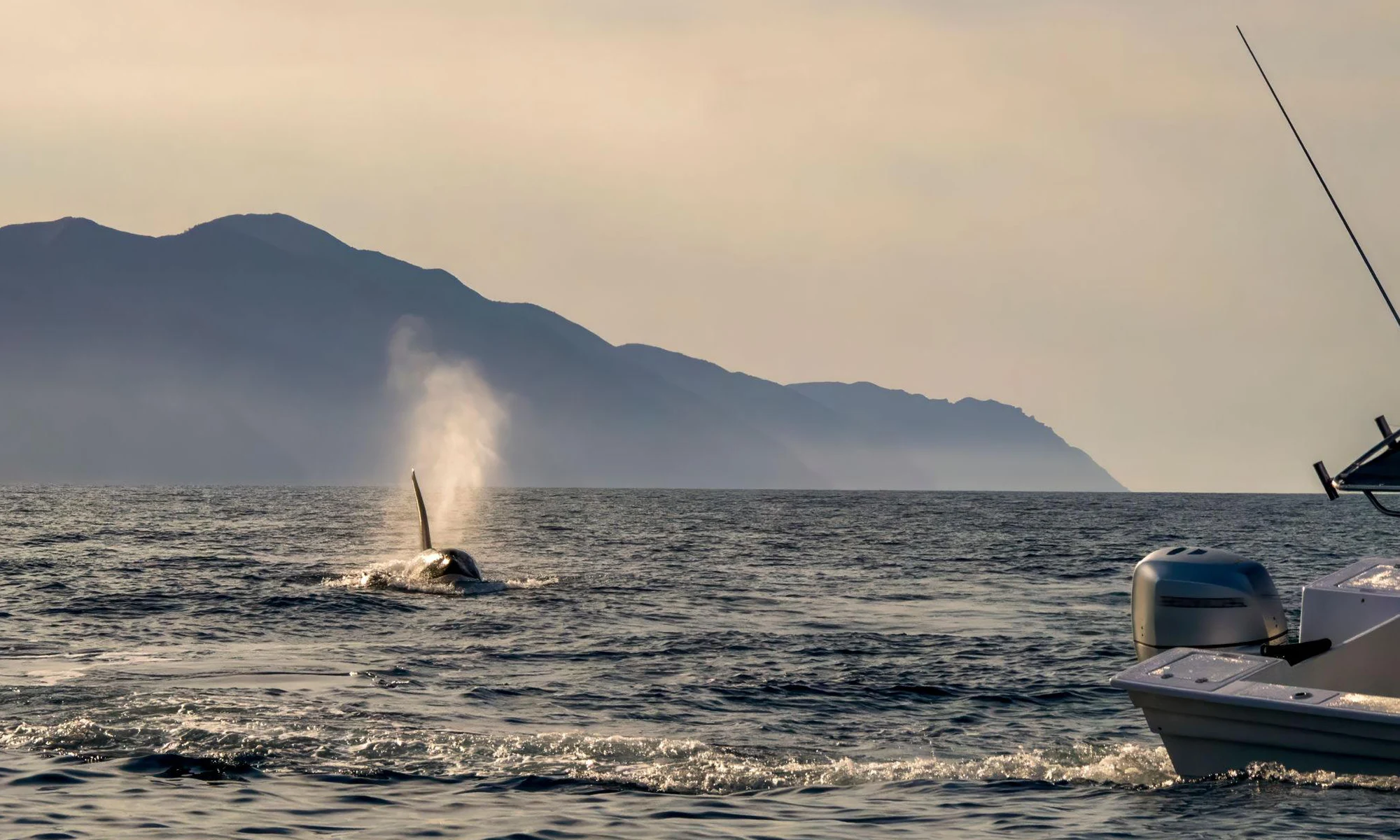
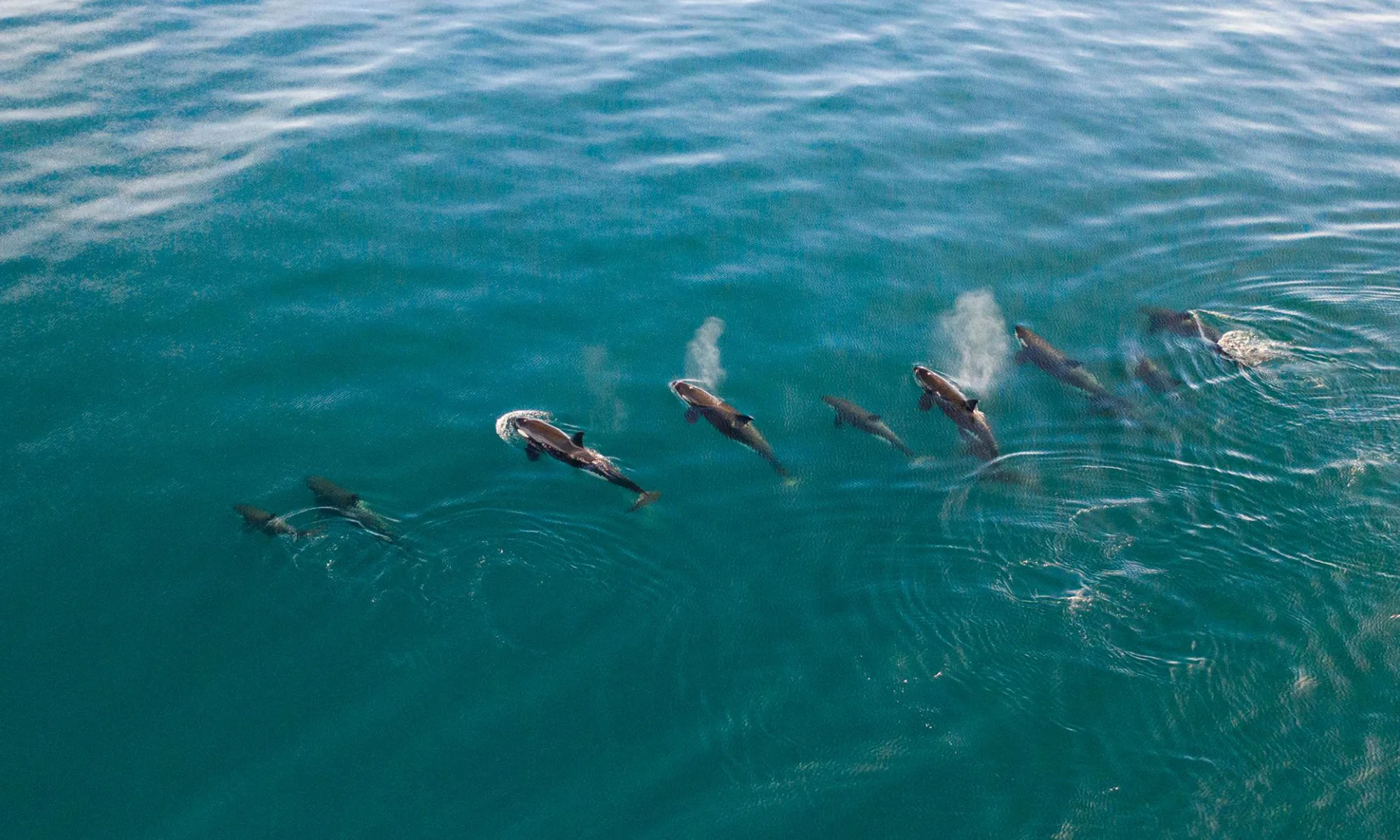
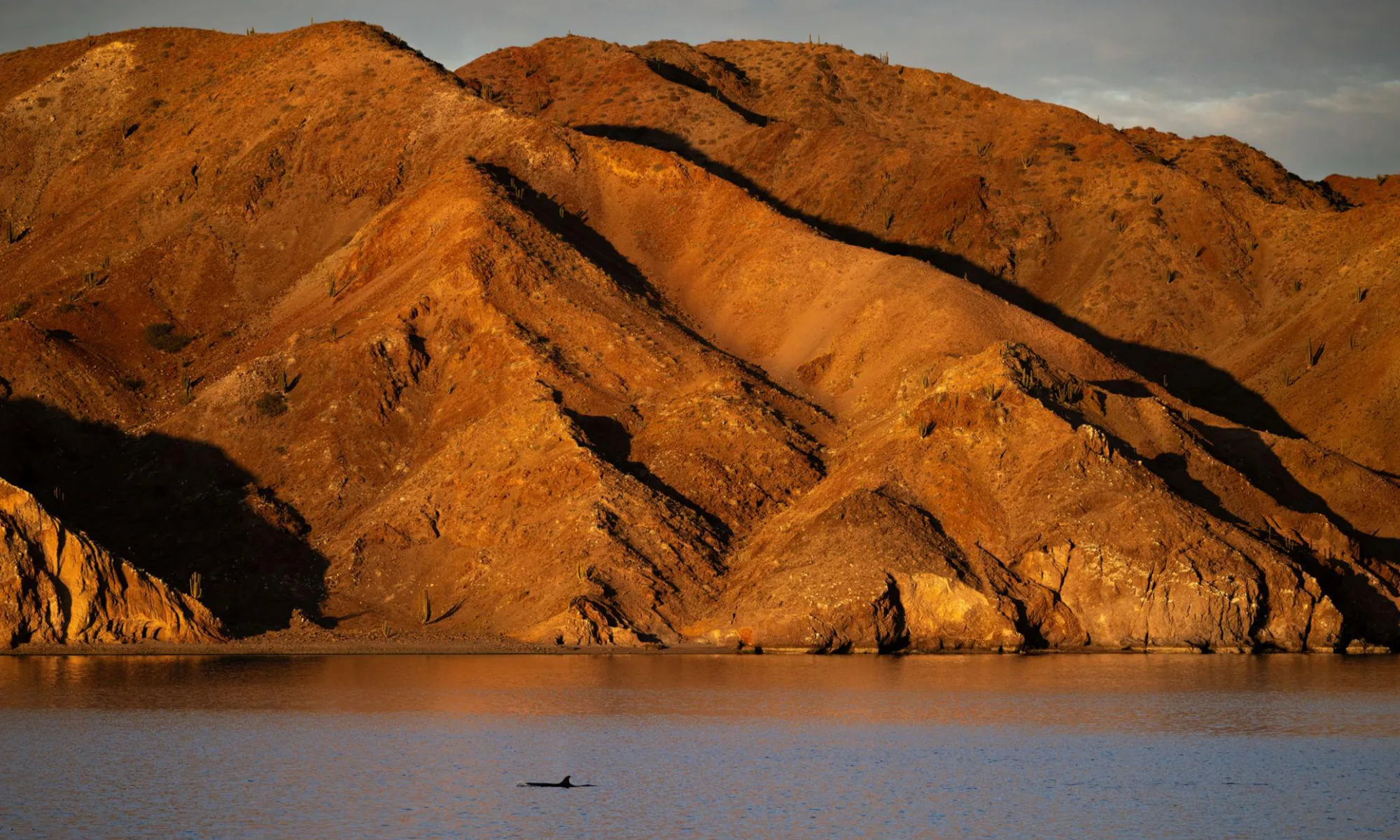
Orcas have never been a guaranteed attraction in Baja. Their presence is intermittent, tied to prey movement and offshore productivity rather than any predictable schedule. Sightings tend to concentrate between May and June, when mobula rays gather in large numbers and feeding activity increases. Encounters happen across a wide range: the Pacific side, the southern tip near Cabo San Lucas, and into the Gulf, often closer to La Ventana and the East Cape, where calmer seas and rich feeding grounds create more consistent conditions.
This unpredictability is precisely what La Ventana-based Baja Wild Encounters (BWE) wants people to understand before they book.
One Operator’s Argument
Founded by Jamie, a divemaster and nature guide who has worked in Baja’s marine environments since 2017, the company runs small-group expeditions with a stated emphasis on restraint over access. As interest in swimming with orcas has grown, driven largely by viral footage and rising search traffic, Jamie has become an outspoken voice on what ethical engagement with these animals really requires.
“Permits allow activity,” Jamie says. “They don’t guarantee that what we’re doing is good for the animals.”
The Gap Between Legal and Ethical
The concern is specific. Mexico’s federal permitting system for marine wildlife interactions provides a legal framework, but BWE argues that legal compliance is a starting point, nothing more. Higher demand has brought more operators into the water. Reports from the La Ventana area describe multiple vessels converging on the same pod during peak season, sometimes dozens at once, with aerial spotting and inter-captain communication used to locate animals quickly. Each individual approach may fall within permitted parameters. The cumulative pressure across a season is harder to measure and harder to regulate.
Orcas rely on echolocation to hunt. Increased boat traffic introduces noise that can interfere with feeding. When animals are actively hunting, which is common during mobula season, BWE’s position is direct: sometimes the right call is to stay in the boat.
“Not every sighting is an invitation to swim,” Jamie says.
Managing Expectations Before Departure
The company’s broader argument is about expectation management. When operators market orca encounters as near-guaranteed experiences, they create pressure that travels down the chain: to captains who reposition more aggressively, to guides who attempt one more drop. BWE runs counter to that model by being explicit with guests before departure: sightings are not promised. The animals determine the terms.
The Regulatory Gap
Mexico does not yet have a specific regulatory framework for orca tourism in Baja California Sur. General marine wildlife regulations apply, but a behavior-based model that adjusts interactions in real time depending on what the animals are doing remains more principle than policy. BWE advocates for that shift, arguing that the mobility and active hunting behavior of orcas make standard distance-and-time rules insufficient.
What Comes Next
Whether that argument gains traction with regulators depends partly on how the industry self-organizes in the meantime. Operators across the region, from independent captains to larger tour companies, have stakes in how orca tourism develops, and they won’t all arrive at the same conclusions about where the line is. For now, BWE is making its case one expedition at a time.