

|
Getting your Trinity Audio player ready...
|
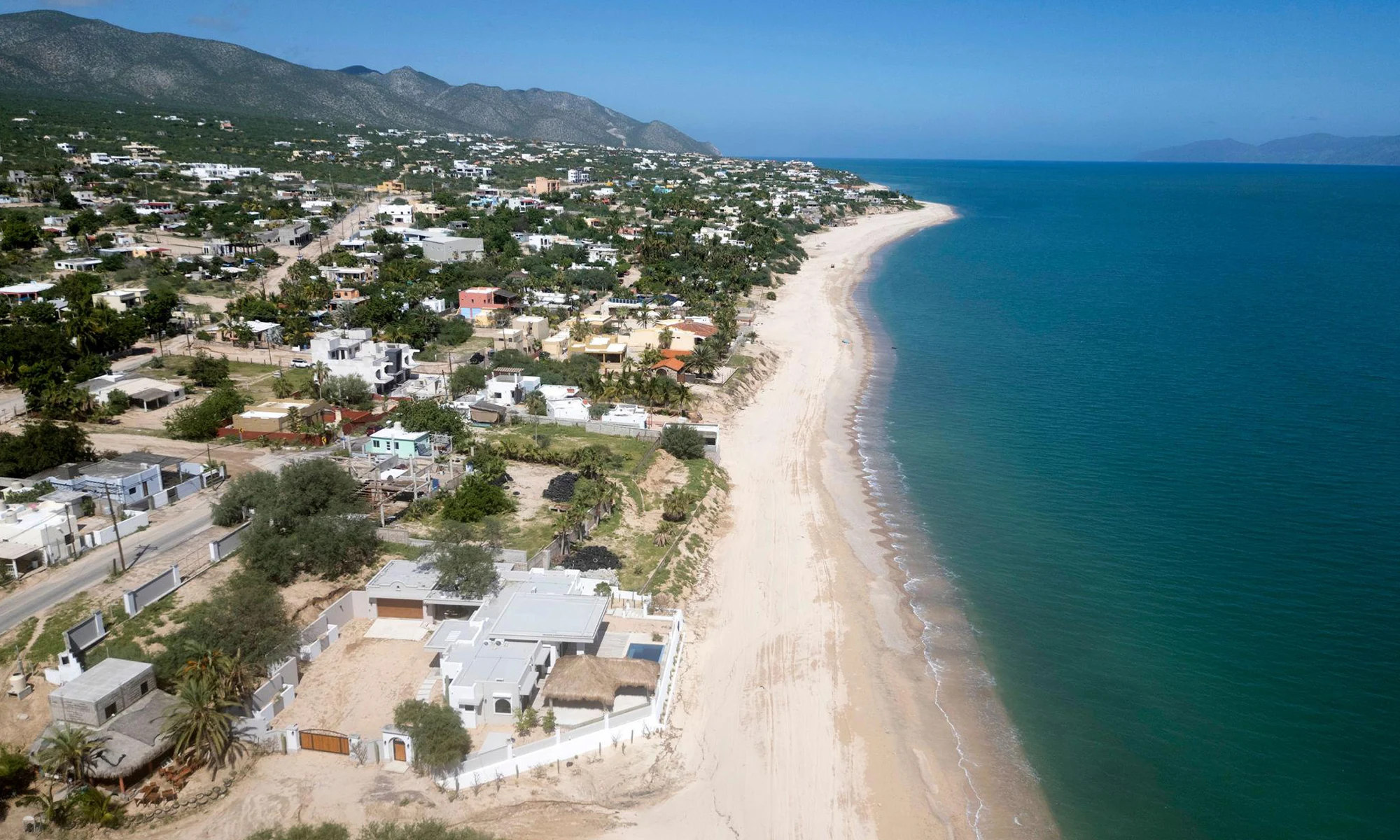
Real estate professional Ana María Carranza has lived and worked in La Ventana since 2013. She walks us through the market and what keeps the pueblo a pueblo.
A Small Town on a Big Bay
How would you describe La Ventana to someone who has never been, and what has changed most since you arrived in 2013?
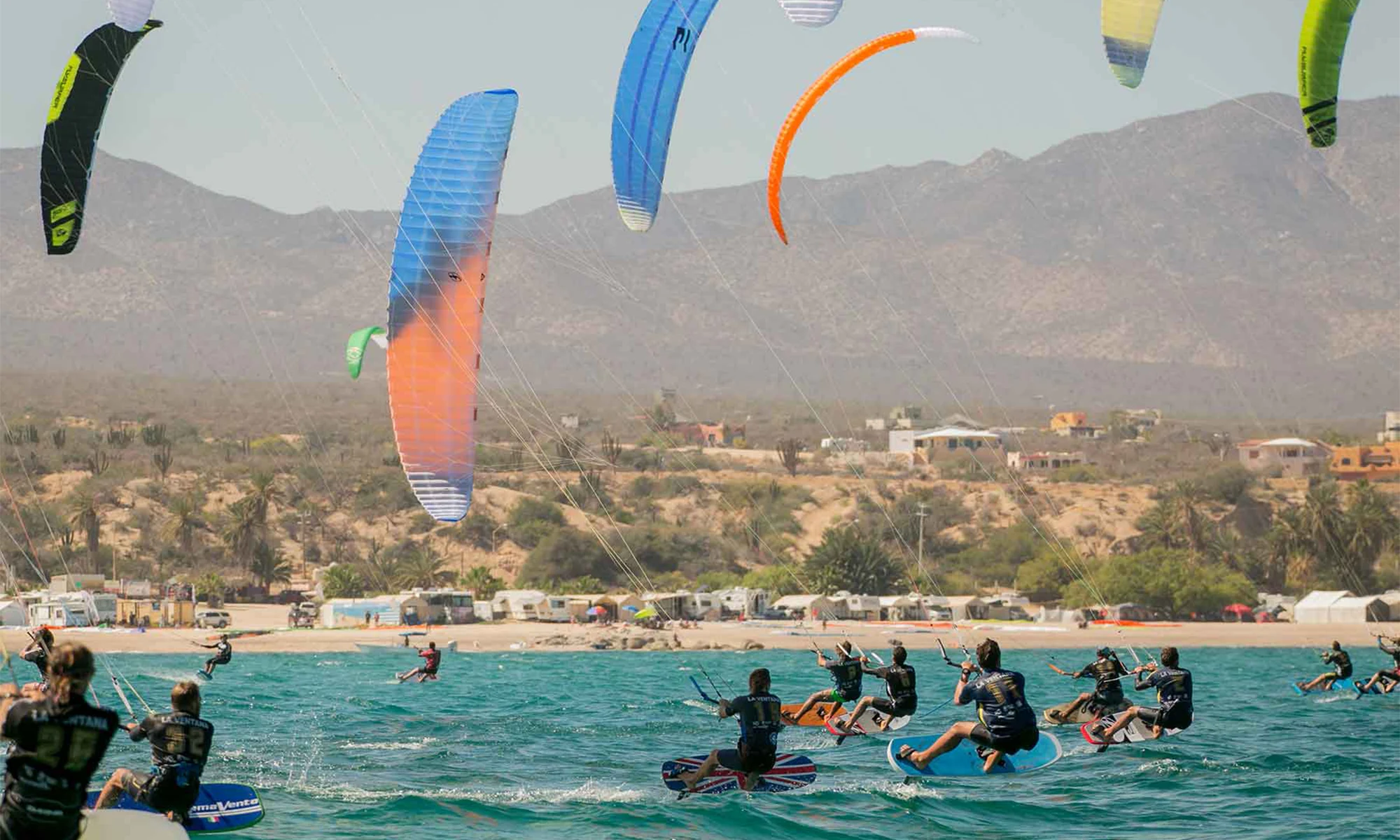
La Ventana Bay is a small and tranquil fishing village located about 40 minutes south of La Paz. Situated right across the bay is Cerralvo Island. During the winter, there are consistent north winds, which the locals call “coyas”. These winds make this spot one of the top wind sports destinations in the world. From the shore you’ll see a sky full of colorful kites while kiteboarders, windsurfers, foilboarders, and wingfoilers all share the water and wind together. During the summer the wind dies down and the sea goes still, becoming a beautiful turquoise mirror. It’s quite common to see orcas, whales, dolphins, mobula rays, tortoises and whale sharks.
Since I arrived in 2013 there has been a steady growth which has brought better services and more conveniences to the community. Back then there were only three restaurants, and two of them closed in the summer. Now there are a wide variety of choices and another level of food. During the windy season there’s a weekly farmer’s market every Thursday. The fish market owner now does weekly Costco runs and keeps a steady stock of items on his shelves. There are even pharmacies, doctors, dentists and a small Montessori school now.
But the scale is still small. Most people know and greet each other on the street. We have a community that looks out for each other. That part hasn’t changed.
What happens when the wind season ends, and who stays year-round now?
A lot of services and restaurants close down and the kites disappear from the bay, there are fewer people around. But every year I see more people staying through the summer than the year before. The pandemic changed things. Once people realized they could work online, the question became: why not do it from a small town next to the sea? The summer is a different La Ventana than the winter one, but it is no longer empty as it was some years ago. It’s the perfect time for people to enjoy kayaking, paddleboarding, snorkeling and sportfishing.
La Ventana is thirty minutes from La Paz, not Los Cabos. What does that mean for daily life?
Being 40 minutes from a city with hospitals, an airport, universities, and culture makes La Ventana viable as a permanent place to live, not just a weekend getaway. But it also means it doesn’t need to develop its own services. That healthy dependence on La Paz is part of what has allowed La Ventana to stay small. If it were more isolated, the pressure to build out internal services would have been much greater.
Inside the La Ventana Market
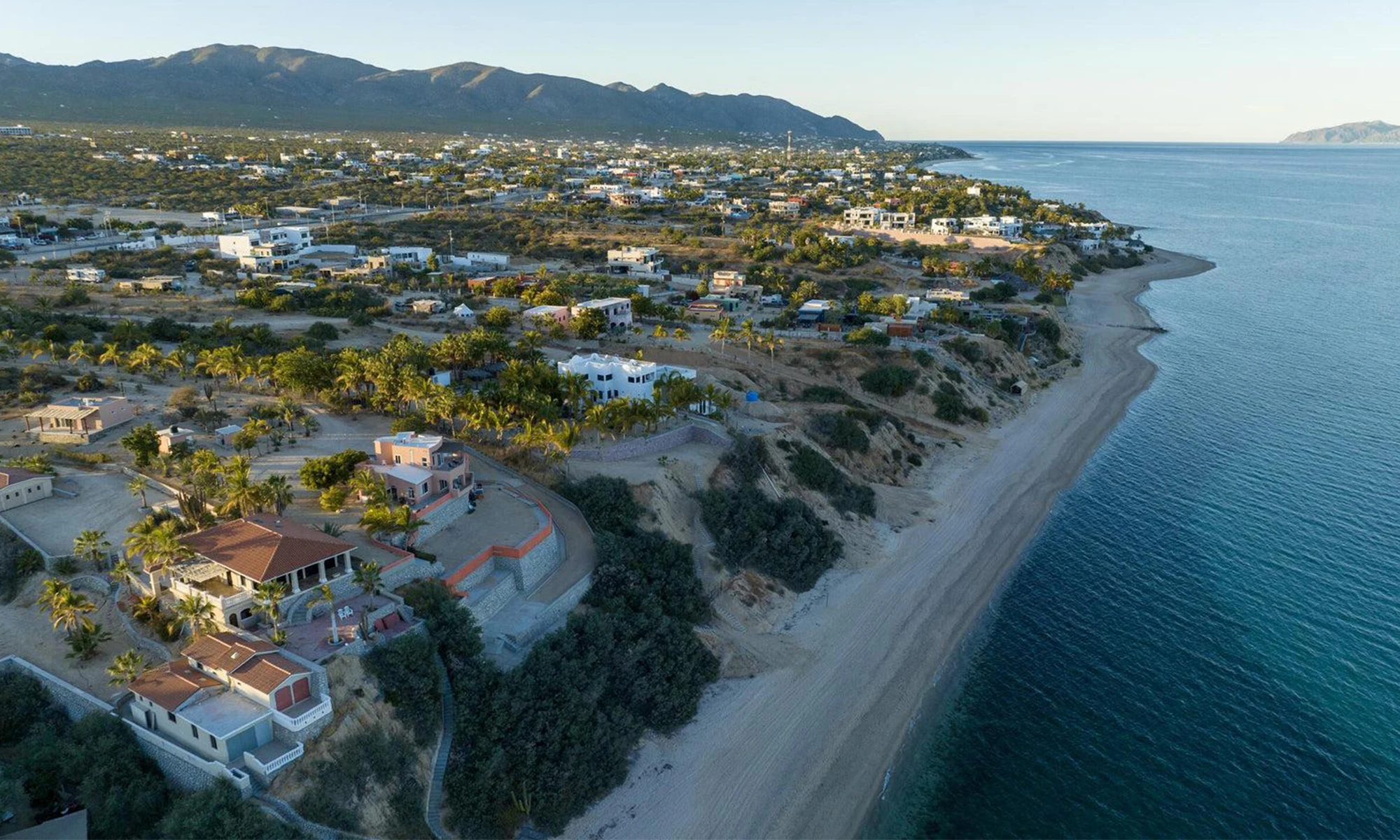
Land in La Ventana has listings in the US$120–170K range over the last three years, and finished homes and condos in the US$425–600K range. What are buyers actually getting at each price point?
In lots, that range gives you access to well-located land, close to the beach and often with water and mountain views, and the potential to build exactly what you want.
In the finished product range, you’re looking at well built homes and condos that are turnkey or close to it. These properties are designed for the local lifestyle with outdoor spaces and natural ventilation. The market at this level has grown a lot in the last few years. Everything on the MLS at those prices is already titled and legally transferible.
A lot of land in the area is off the MLS. What should buyers understand about ejido land?
All of this was ejido at some point. Titling happened gradually, starting with the beachfront and moving inland toward the mountains. Everything on the MLS today is titled. But if you go far enough back from the water there is still a lot of ejido land, and those lots can be bought for a fraction of the price of titled property.
Ejido land can’t be legally sold. What buyers get is a constancia ejidal signed by the comisariado, not a title. When the title eventually comes through, it has to go through the derecho del tanto and a derecho de preferencia before government agencies, which requires a bank appraisal. However, there’s no telling how long it will take for the title to get issued. I know of some people who have waited twenty years for their title to come through.
The practical consequence is that you can’t sell it for market value. I had a client whose house I valued several years ago at around US$190,000. When I asked for the title, she said it was still ejido. I told her honestly: I can’t put this on the MLS, and even if I could, buyers won’t pay market price for property without a title. She ended up selling for US$95,000.
You have listings in the US$1 million–US$2 million range. What does the high end of this market look like, and how much beachfront inventory is left?
The high end is small but real, and the properties at that level are specific, each one justifies its price for a concrete reason.
One of my listings, at US$1.75 million, is a beachfront on one of the most beautiful beaches in El Sargento – with a beach storage building right at the water’s edge for all the water gear you can imagine: windsurf sails, kites, foil boards, paddleboards. It also has a shaded rooftop terrace and a full bathroom. Nearby there are hot springs and at night you can enjoy an extraordinary night sky thanks to the low light pollution. It’s for someone who lives for the water in its most immediate form.
One of my other listings for around US$900,000 is a completely different experience. It sits at the top of a hill with views that take in everything: the Cardon cactus forest, the town to the north, and the whole bay extending out to Punta Arena. The view alone is extraordinary, and the house is architecturally striking: high ceilings, generous spaces, pool, jacuzzi, outdoor BBQ area, water purification system, fully furnished with impeccable taste. It’s a turnkey property for someone who wants to arrive and not have to resolve anything.
Is there a pre construction market here?
There is, but it’s modest. I actually moved to La Ventana because of a pre construction project, the first of its kind in the area, about 48 units that sold over roughly four years. After that, a smaller building came along, 12 units, which took about two years to sell. Right now, there’s a project finishing its first phase, and that’s been going on for about three years.
So it exists, but it’s not a market with much momentum. Most buyers here come from abroad, and foreign buyers tend to be more cautious about preconstruction.
The Next Five Years
Where does this market and this community go in the next three to five years?
I don’t see demand dropping. In terms of infrastructure and density, things will continue to develop. But part of what makes La Ventana attractive is precisely that it’s a small town. So the question isn’t whether the market grows (it will) but how much we take care of the place as it does. That’s what will determine what La Ventana looks like in five years.
What’s the one thing about La Ventana that shouldn’t change?
The feeling that everyone knows your name. That’s what makes La Ventana truly rare. Over the years something genuinely special has formed between the local families who have been here for generations and the foreign families who chose to make this place their home. They’ve built a community together, and take care of each other when things get hard. For me that’s the soul of La Ventana and the one thing worth protecting above everything else.