

|
Getting your Trinity Audio player ready...
|
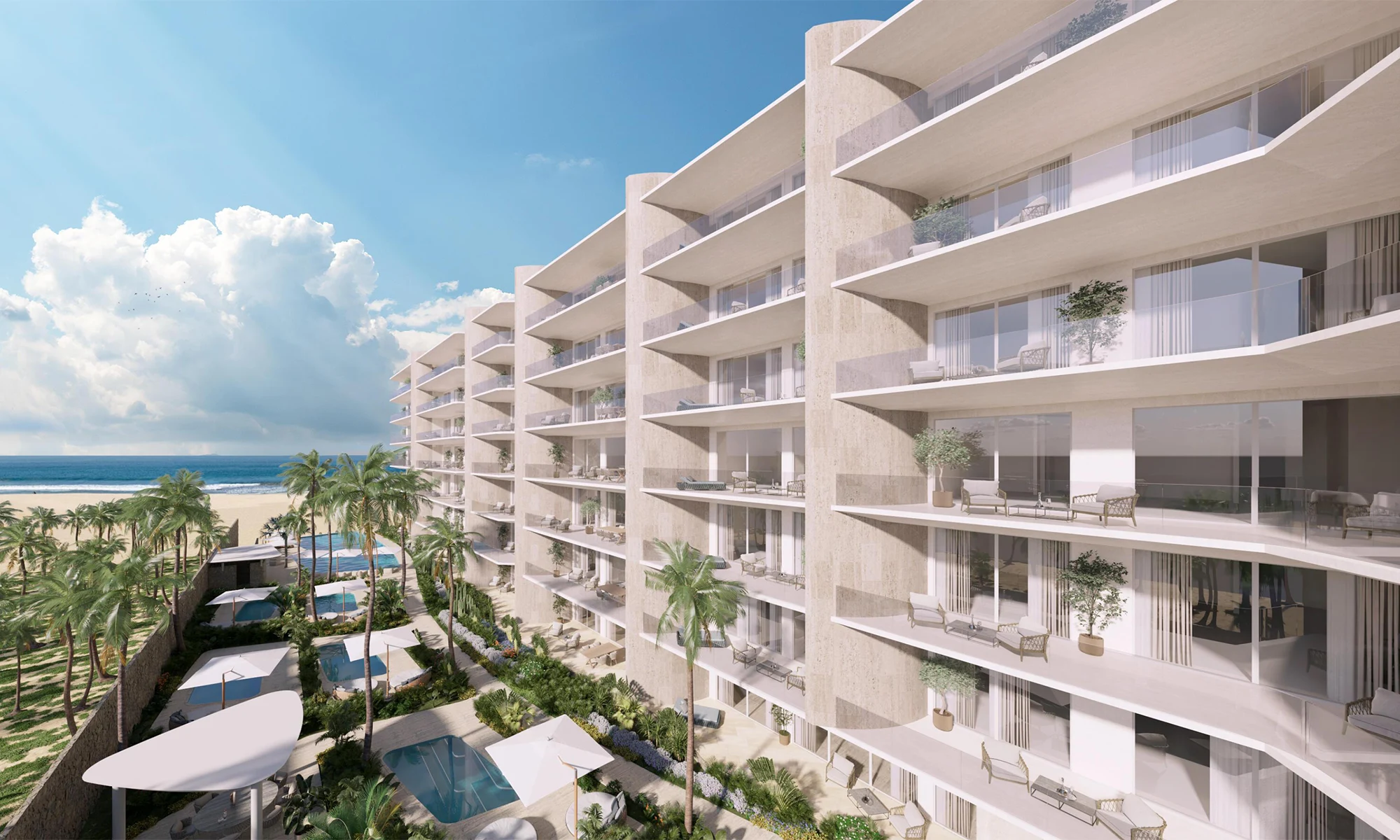
In San Jose del Cabo’s original hotel zone, the beachfront market has closed in on itself. This area was planned decades ago under a master plan laid out by FONATUR, Mexico’s federal tourism development authority, which defined land use, density, and long-term urban structure for this stretch of coast. What emerged was a hotel-oriented zone with a fixed layout and limited parcels, not a canvas for continuous residential expansion.
Unlike the Corridor to the west, or Puerto Los Cabos and the East Cape to the east, where development continues outward, this part of San Jose operates within a predetermined framework. Scarcity here is structural, not cyclical.
This conversation is with Marco Klein, a broker and owner of Klein Real Estate, who has worked in Los Cabos for more than two decades and is directly involved in the sales and positioning of three projects in the area developed by Grupo UNE: Albaluz, Aura, and Noláh.
The Micro-Market and Scarcity
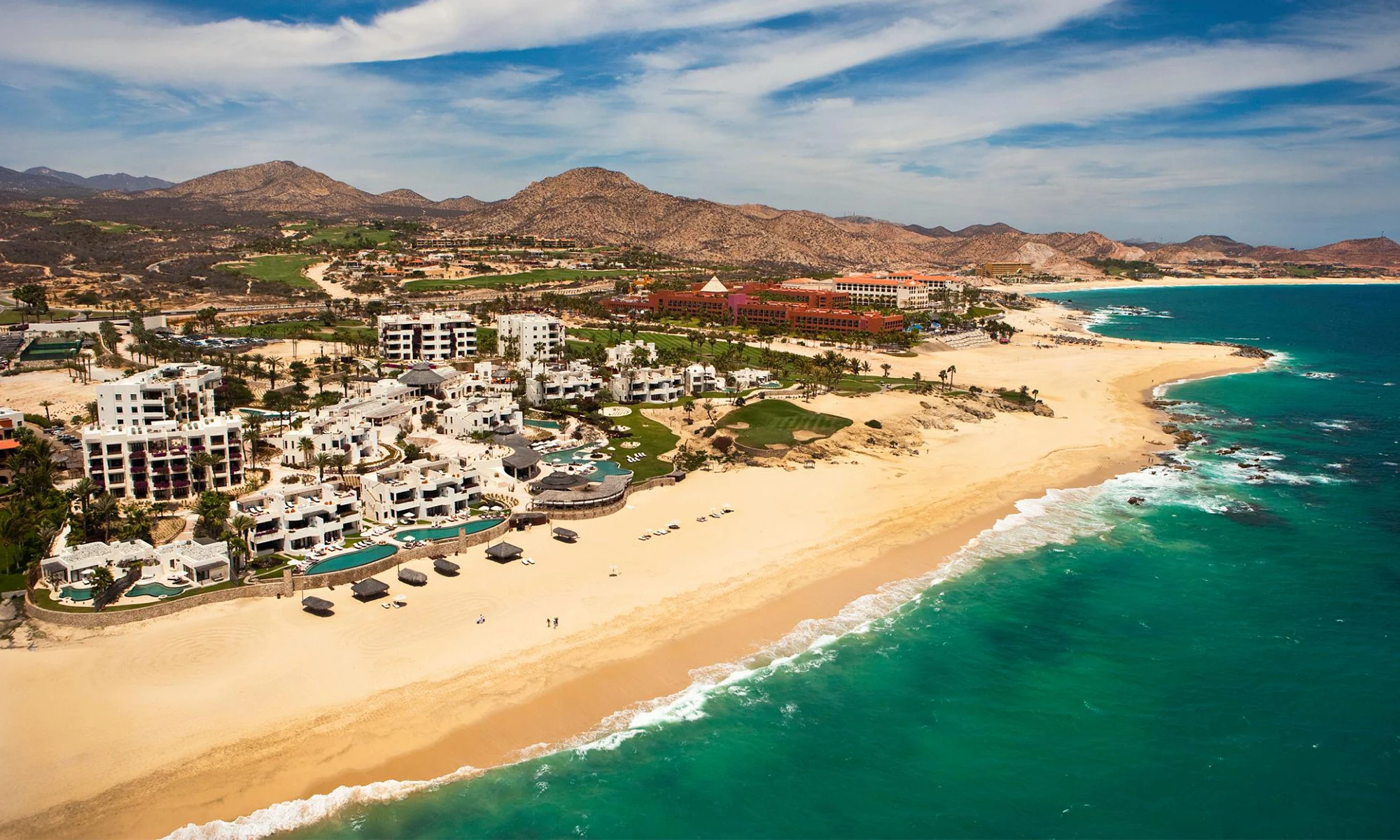
How would you define the traditional hotel zone of San Jose as a real estate micro-market today?
It’s a very specific strip with its own rules. This area was planned for hotels, not residential condominiums, and the parcels here are much smaller than the large hotel lots found elsewhere in Los Cabos. As a result, there was never room for large-scale residential expansion. Most of the beachfront has already been built, and what remains is either fully developed or reserved for hotel use. From a residential perspective, this is essentially a closed market. Buyers here aren’t choosing from a wide menu of options; they’re responding to scarcity, location, and the reality that very few new beachfront opportunities will ever come online in this zone.
With almost no beachfront lots left in this area, how does that scarcity actually show up in buyer behavior?
It changes both pace and mindset. Decisions tend to be more deliberate, but once buyers understand the market reality, hesitation often disappears. People recognize they’re not waiting for a better option, because there may not be another one. That leads to longer hold horizons and less speculative behavior. Buyers here are thinking about permanence and long-term use, not short-term timing. Scarcity isn’t abstract in this zone; it’s visible, and it shapes how people commit.
Why Albaluz Worked, and What Aura Inherits
Albaluz is essentially sold out. From your perspective, what made it work?
Execution mattered more than timing. From the beginning, the developer took a conservative approach, focusing on delivery rather than momentum. Buyers responded to that. The project closely followed local requirements, used escrow properly, and paid attention to the details that matter in this market, from construction standards to hurricane protection. That experience reinforced buyers’ confidence and validated the project beyond the initial sales phase.
What concrete lessons from Albaluz are being carried into Aura?
The main lesson was that discipline pays off. Albaluz confirmed that buyers in this zone care deeply about execution, not just concept. That influenced decisions around unit mix, finishes, and construction standards for Aura. There’s also a stronger emphasis on clarity and transparency throughout the process, because trust compounds once delivery has been proven. Aura isn’t starting from zero; it’s building on a project the market has already seen completed.
Pricing Logic and Real Alternatives
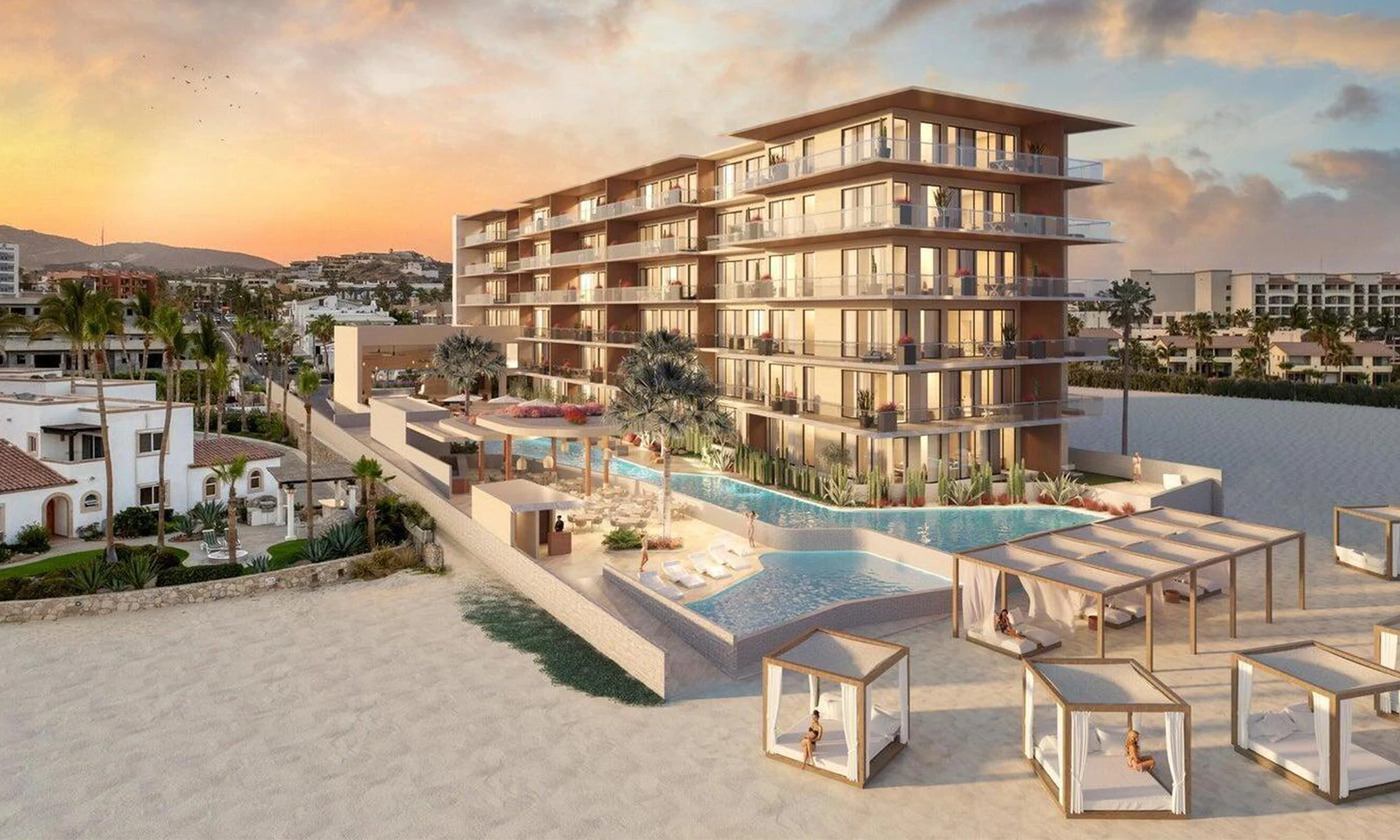
Aura by Grupo UNE
At US$2M+ for Albaluz and Aura, what are buyers comparing these residences against in Los Cabos?
Buyers at that level are usually weighing a small set of very different options. In San Jose, the comparison is often with older beachfront condos built twenty or thirty years ago, where prices may be similar, but layouts, infrastructure, and building systems reflect a different era. In those cases, buyers factor in long-term relevance and future maintenance costs, not just the purchase price.
Outside San Jose, the same budget may buy into the Corridor or Cabo San Lucas, typically within resort-style developments that offer more amenities but also higher density and a more transient environment. The trade-off is newer beachfront construction in an established, walkable part of San Jose versus a larger, amenity-driven setting that feels less rooted.
Noláh comes in around US$650K. How should buyers understand its place within this beachfront ecosystem?
Noláh isn’t trying to replicate the beachfront experience at a lower price. It offers access to the same zone, similar construction standards, and the same development philosophy, but with a different relationship to the water. For many buyers, that trade-off makes sense. They want to be in this part of San Jose, close to the beach and existing services, without committing to a multi-million-dollar purchase.
A Market Defined by Limits
The original hotel zone of San Jose del Cabo is a mature market. Its value rests on what is already in place: a fixed planning framework, limited parcels, and the effective absence of new beachfront residential supply. Within those constraints, projects succeed by aligning with the site itself, not by scale or novelty.
Grupo UNE’s work along this strip reflects that logic. Albaluz, Aura, and Noláh respond to a finite geography with measured density, proven delivery, and an emphasis on long-term use. For buyers, the appeal is durability. These are assets selected to be lived in, returned to, and held through cycles in a part of Los Cabos where scarcity is structural and enduring.