Recently, the Los Cabos Tourism Trust (Fiturca) announced four new direct flights between Canada and Los Cabos. This is a concrete sign of a relationship that has been building for two decades.
Canadian travelers are among the most visible international groups across Baja California Sur. What began as a winter tourism market has widened into something harder to categorize: seasonal residency, real estate activity, remote work, and outright relocation. The numbers keep moving in one direction.
Los Cabos already operates nonstop or seasonal service with major Canadian cities and several secondary regional markets. Airlines, including Air Canada, WestJet, Sunwing, Air Transat, and Flair Airlines, have expanded operations as demand from Canadian travelers has held firm year after year.
Canadian Tourism Continues to Grow
Canada has become one of Los Cabos’ fastest-growing international visitor markets, with annual arrivals estimated at 215,000 to 240,000.
The latest expansion covers the 2026-2027 winter season and adds four nonstop routes. Porter Airlines will launch direct service from Toronto and Edmonton on November 16, 2026, with Ottawa flights following on December 18. Air Transat adds a new Montreal-Los Cabos route beginning December 10.
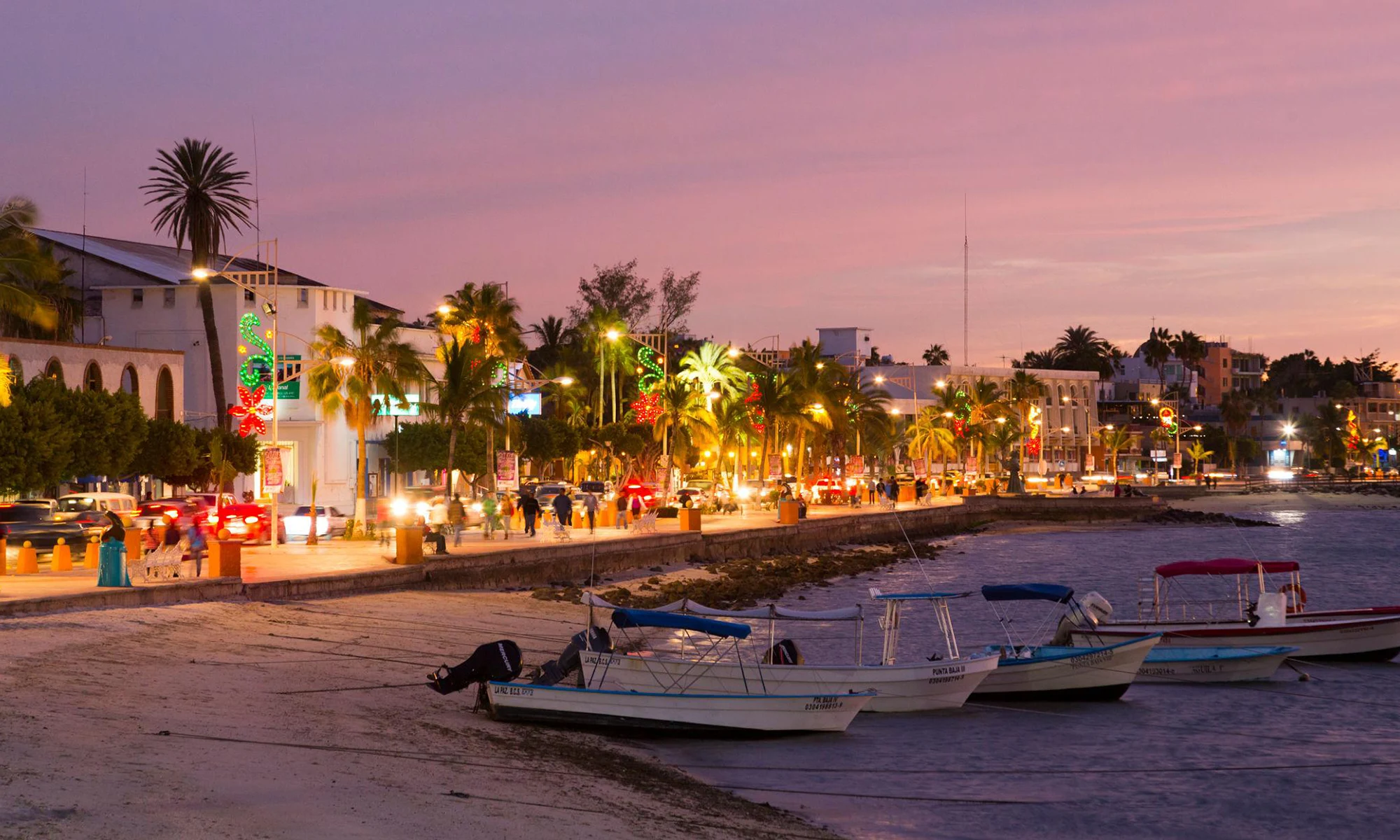
The growth extends beyond Los Cabos. Communities throughout Baja California Sur draw Canadian visitors looking for slower travel, longer stays, and access to smaller towns outside the state’s largest tourism centers. Canadian visitors also tend to stay longer than most other international travelers. Industry estimates place average stays at around 11 nights, which compounds their contribution to local hospitality, dining, transportation, and real estate. Winter occupancy patterns in Los Cabos, La Paz, Todos Santos, and Loreto show strong Canadian participation, running from November through April.
From Seasonal Visitors to Long-Term Residents
The flight expansion also tracks something that has become visible on the ground: Canadians are staying.
They rank among the largest foreign resident groups in the state. Los Cabos and La Paz hold the largest concentrations, with growing communities in Todos Santos, El Pescadero, Loreto, and the East Cape. Retirees were the first wave. Remote workers, entrepreneurs, and small business owners now form a growing share of the Canadian population across the peninsula.
For many, repeated winter travel eventually tips into semi-permanent or permanent residency. As that population has grown, the infrastructure around it has become more established. Canada maintains an Honorary Consulate in Cabo San Lucas, handling documentation, emergencies, and coordination with local authorities, while broader consular services are provided through the Canadian Embassy in Mexico City. Community networks in Los Cabos and La Paz assist newcomers with residency applications, healthcare navigation, vehicle permits, and the administrative side of building a life in Mexico.