
|
Getting your Trinity Audio player ready...
|
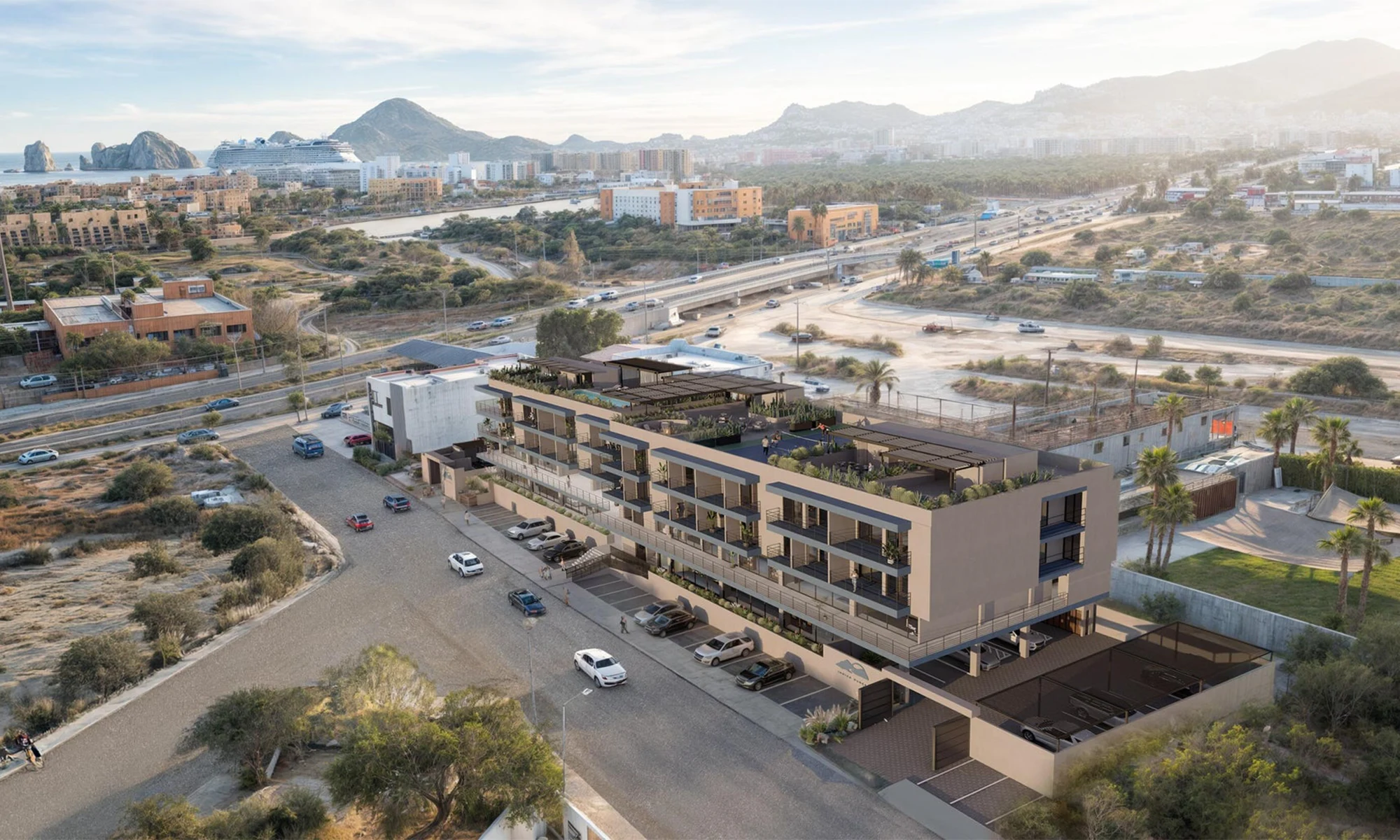
El Tezal has shifted from a peripheral stretch outside Cabo San Lucas into one of the corridor’s most active residential zones. It sits on the highway between Cabo and San Jose, with constant movement and a growing share of new housing. Over the past few years, development has accelerated. Mid-rise condominium projects and mixed-use proposals began to fill in what had been a more fragmented area.
Prices rose quickly during that period, and new projects followed. More units came to market. Today, buyers are considering a broader set of options than they were even 18 months ago, comparing price, progress, and use.
The change is often described as a slowdown. Demand has not disappeared; it now flows through a larger supply. Some projects continue to close at a steady pace. Others adjust pricing or extend timelines to remain competitive within a denser field.
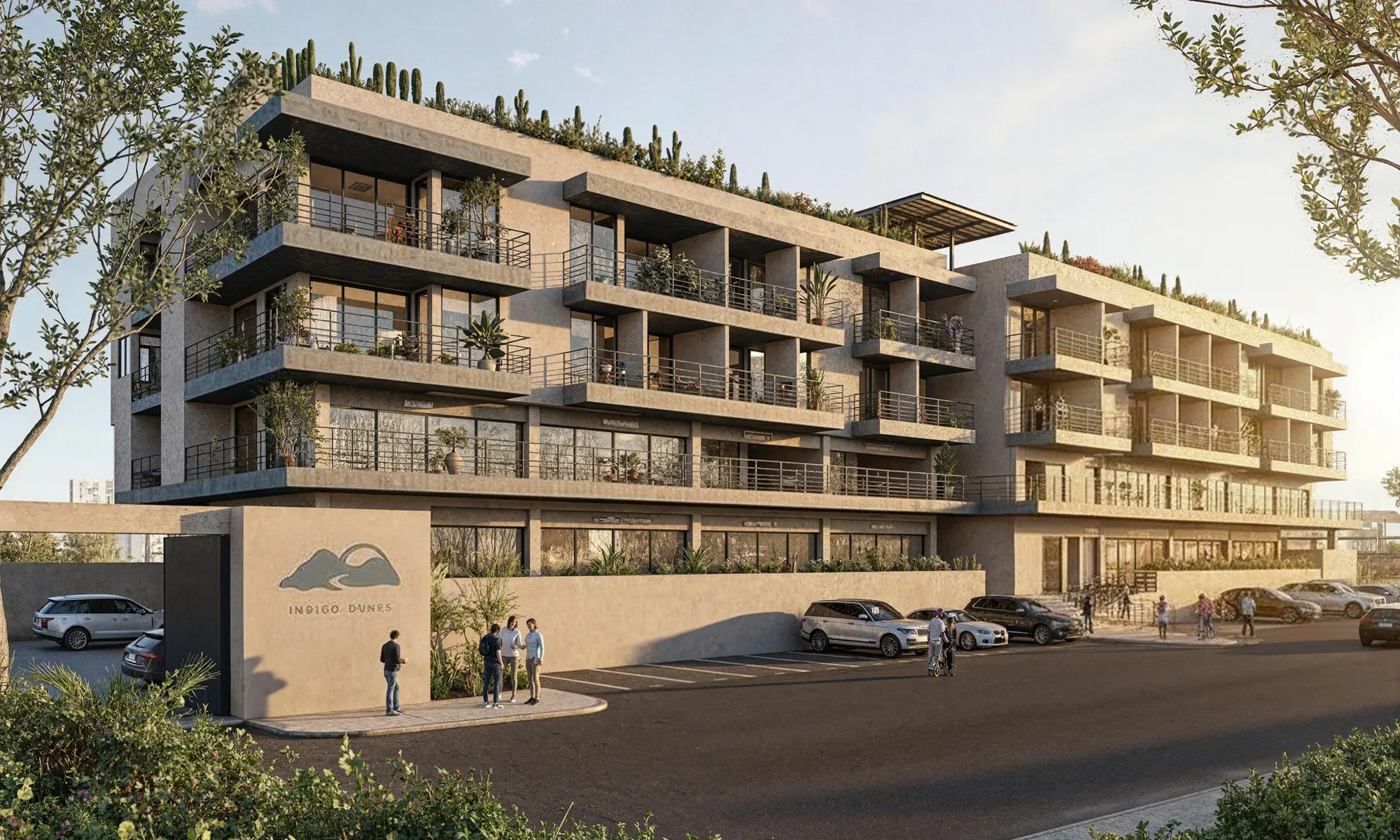
Photo by Indigo Dunes
Indigo Dunes, a mixed-use development in El Tezal with commercial space below and residential units above, enters at this point in El Tezal’s evolution. Units are priced from the low US$200,000s. It arrives in a market that is more crowded and more selective than it was just a few years prior, and positions itself by delivering a strong value proposition.
To understand how that shift is playing out on the ground, we spoke with Hamead Rashead, owner-broker at Selling Sur Real Estate, who is representing Indigo Dunes in El Tezal.
Has the market in El Tezal slowed down, or does it just feel that way?
When prices rose rapidly during the pandemic, a lot of inventory came on the market at once. When those two things happen together, it can feel like a slowdown. But there is still volume happening. Transactions are still closing. What’s changed is that there’s more competition across projects.
What changed once that inventory came online?
When you have more projects competing at once, demand doesn’t always keep pace with the increase in supply. So buyers have more options and naturally compare more. They look at pricing, location, and the project’s stage. That process slows some developments, but it also raises the standard across the board.
Who is actually buying in this segment today?
Almost every buyer has an investor mindset. It’s a second property in most cases. Some people stay for a few months each year, but they’re also considering rental income and appreciation. Cabo is strong in that sense, so buyers are looking at both sides from the beginning.
Does that mindset change how projects need to be structured?
Yes. Buyers want versatility. They want something they can use themselves, but also something that can generate income when they’re not here. That’s why rental potential becomes important, and also how easy it is to operate the property in that way. Projects that offer that flexibility tend to perform better.
Indigo Dunes is still in pre-construction. What makes it different from earlier-stage projects?
One key point is that it’s fully funded to completion. It doesn’t depend on sales to move forward. You can visit the site, see construction in progress, and appreciate the scale of the project. That gives buyers more confidence than projects that are still in the render stage.
How should buyers think about risk in this type of market?
There’s always some level of risk with pre-construction, but it depends on the project. If it’s funded, if construction is already advanced, and if the developer has a strong track record, that reduces uncertainty. From there, you can structure payment plans or agreements that give buyers additional comfort as the project moves forward.
The Shift from Scarcity to Selection
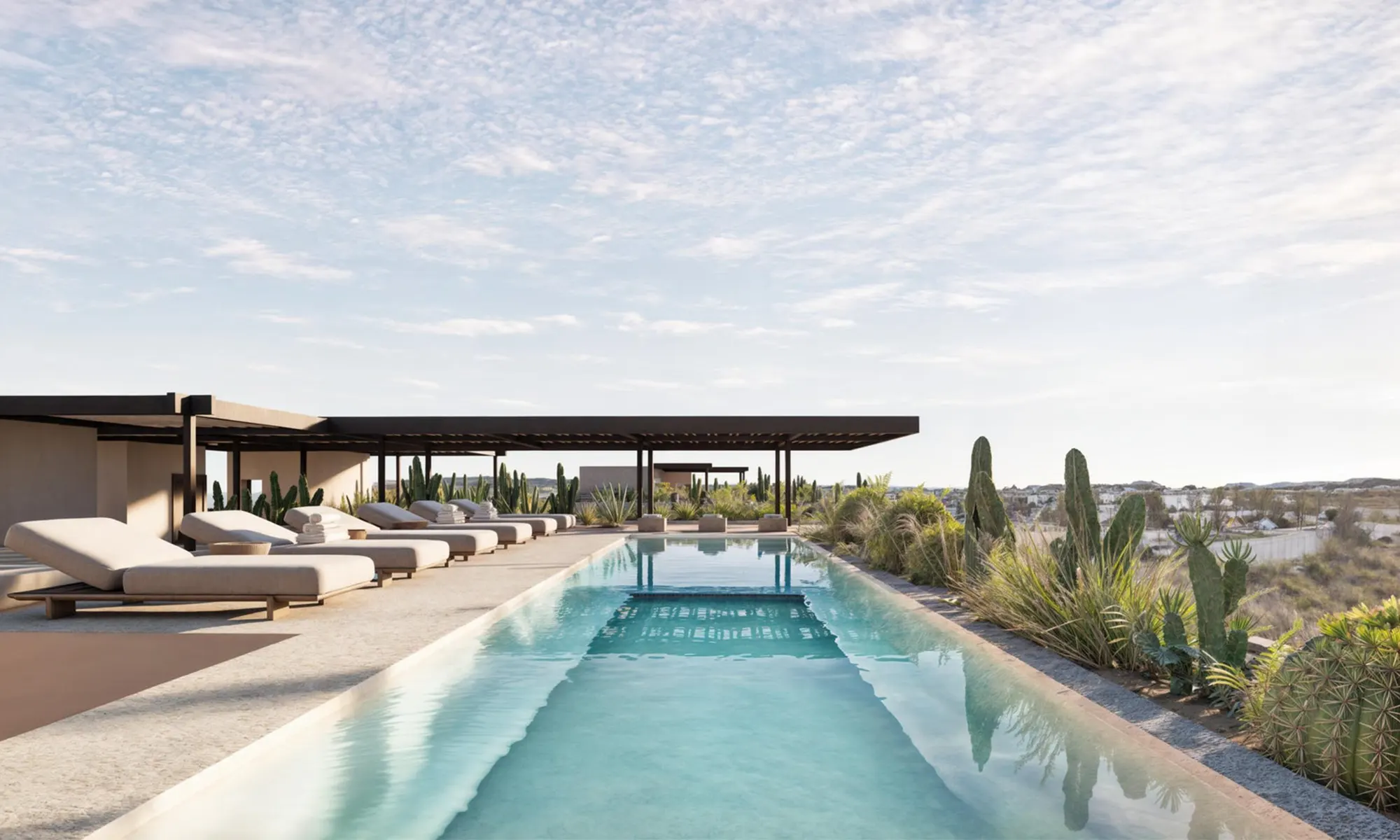
Photo by Indigo Dunes
What emerges from that view is not a market in retreat, but one that has become more exposed. Projects now sit side by side, often within a few minutes of each other. Pricing is tested quickly, construction progress is visible, and assumptions are easier to verify.
Indigo Dunes sits within that shift. Its mixed-use structure, its placement along an already active stretch of El Tezal, and its construction-stage position place it in a market no longer driven by scarcity.
More projects will reach completion in the coming years. Some units will return as resales. Infrastructure will continue to catch up, unevenly. The El Tezal area will not thin out. It will become more defined. For buyers, the process has changed. They are no longer choosing from a limited set of options, but selecting among projects that are already visible, comparable, and in motion.