

|
Getting your Trinity Audio player ready...
|
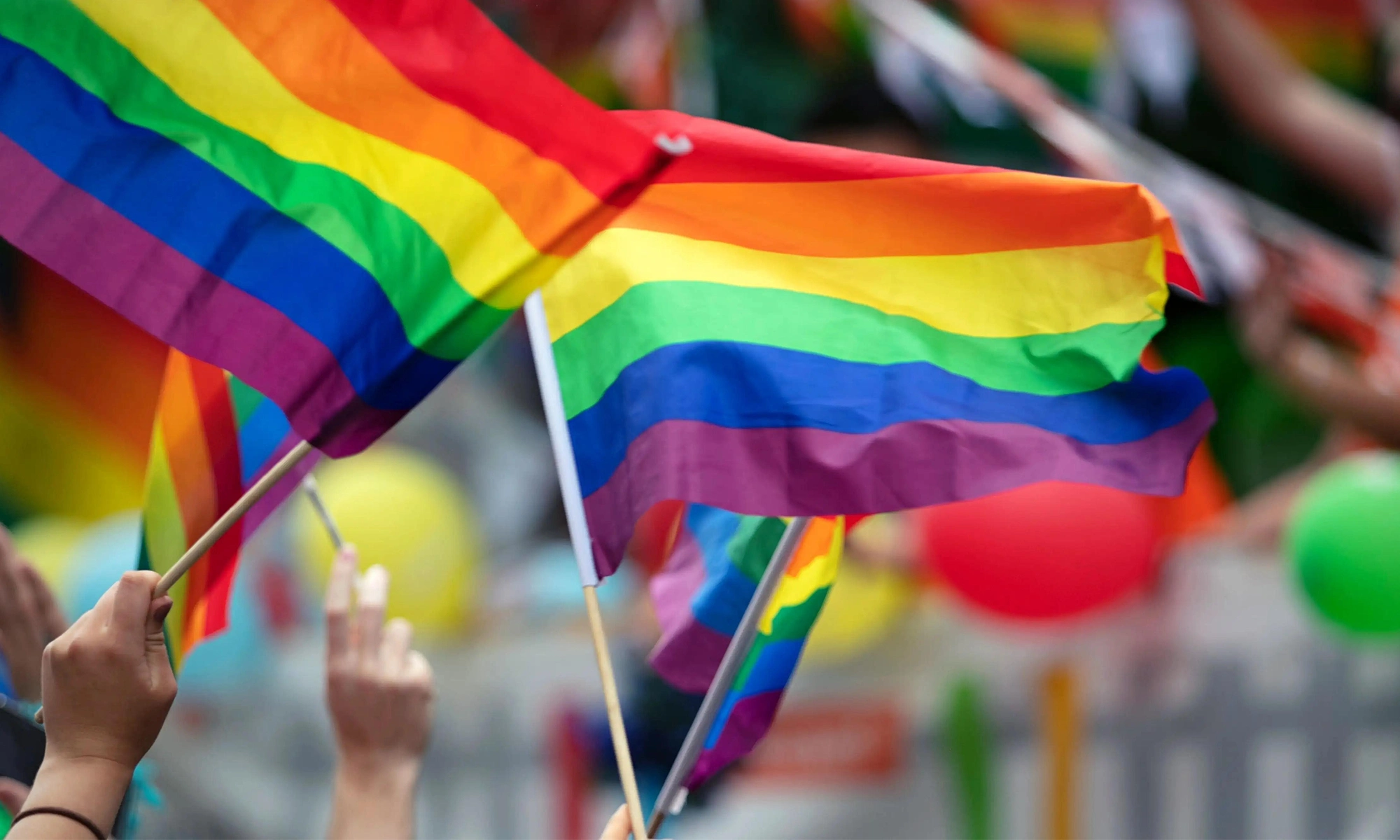
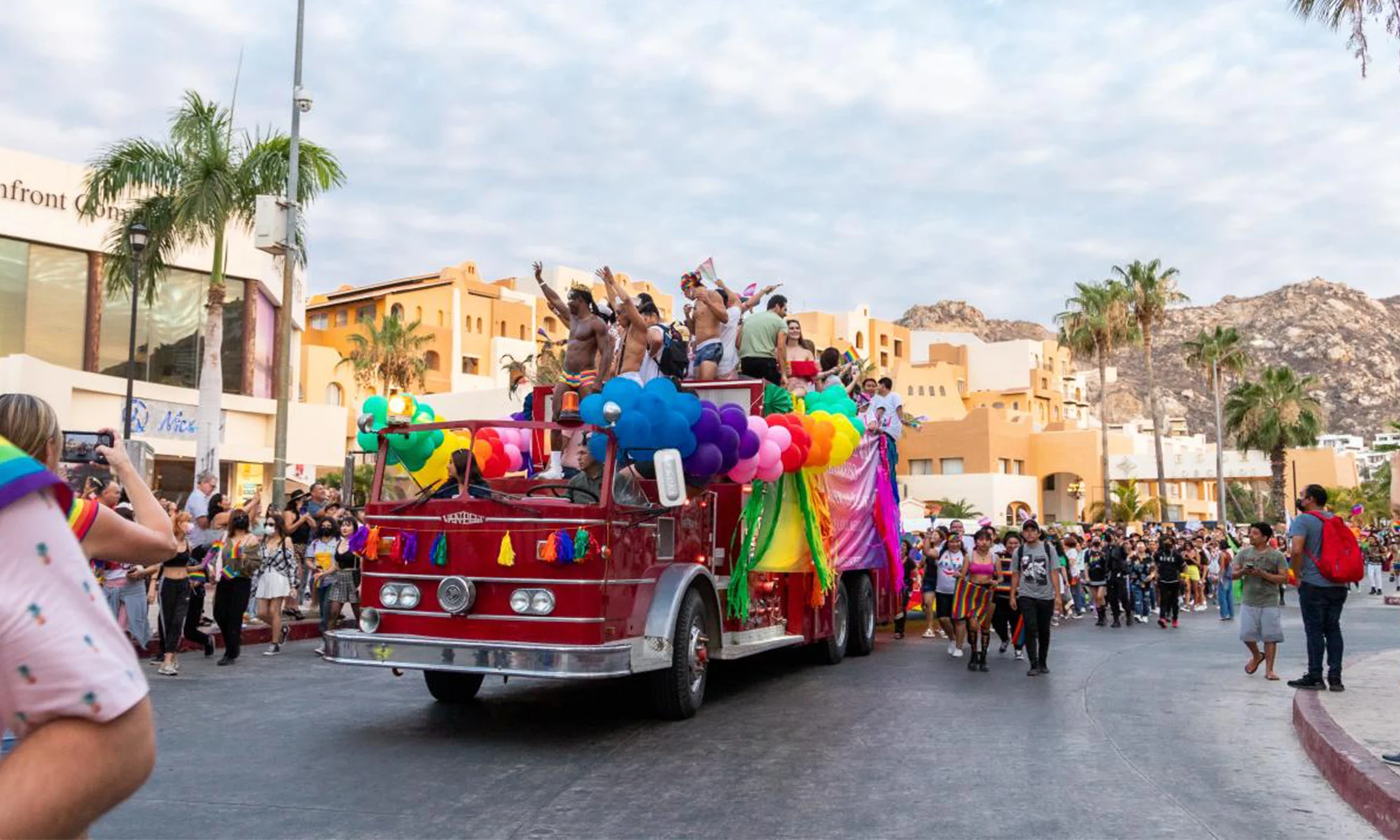
In Cabo San Lucas on June 21, the Los Cabos 21st Annual LGBTQ Pride March will take place with the slogan “Diversidad es naturaleza.” The march has changed over time and is part of the wider public identity of Los Cabos. Its original purpose was for visibility, through local activism, and now it is also about creating a tourist destination that is part of the global hospitality industry and how we define inclusivity.
The atmosphere of the annual march is still more connected to a community gathering than a large-scale commercial Pride celebration, but the context for this year’s march has changed greatly from years before. Los Cabos’ LGBTQ+ visibility over the years has now been tied to more than just organizing as a community, as it is also associated to how Los Cabos is being presented to the world as a destination.
Tourism authorities, hotel groups, and local institutions now regularly frame Los Cabos as one of Mexico’s most welcoming destinations for LGBTQ+ travelers, particularly within the luxury tourism market that defines much of the local economy.
LGBTQ+ Tourism Has Become a Major Segment of the Los Cabos Economy
The scale of that transformation has become increasingly visible through tourism data released over the last several years.
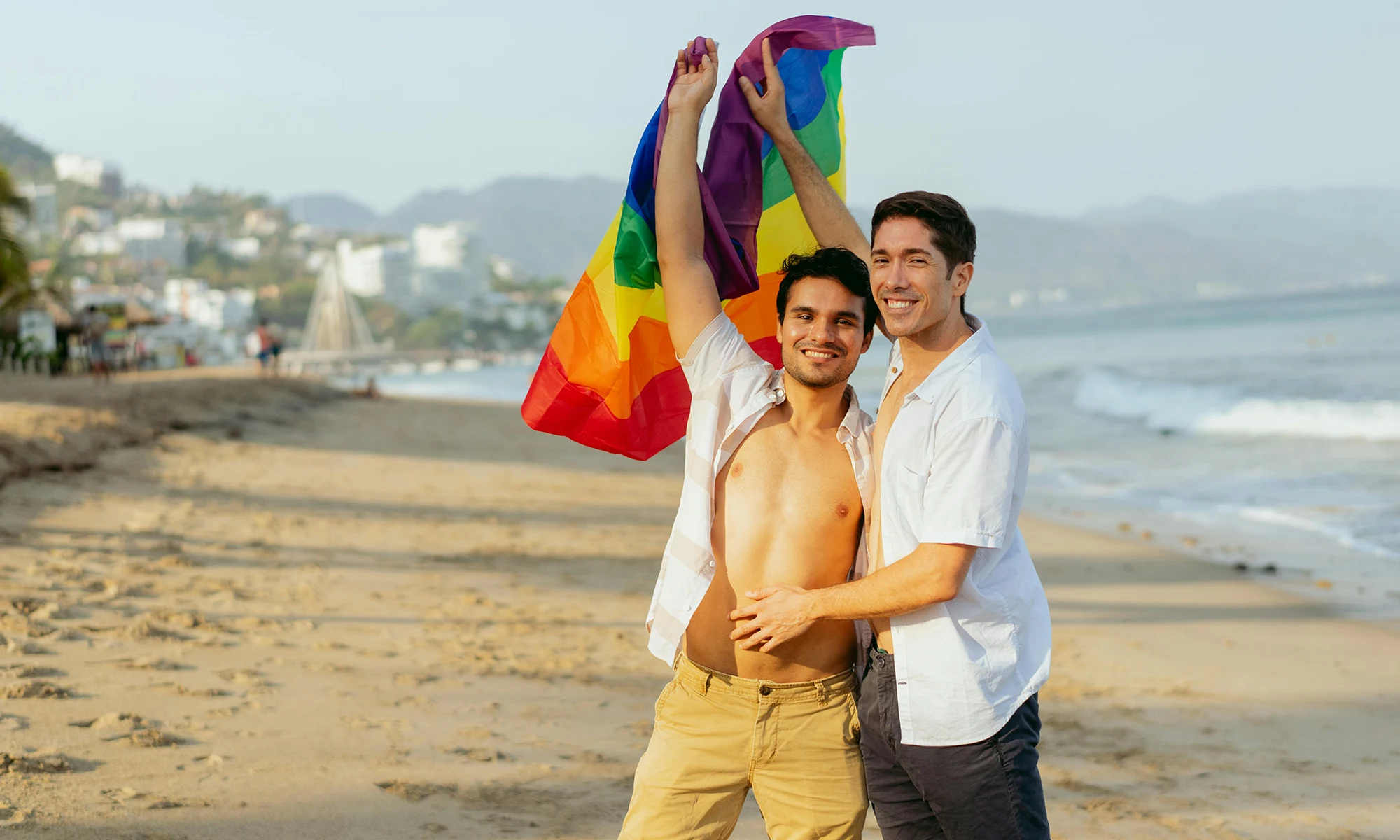
In 2023, officials connected to FITURCA reported that LGBTQ+ tourism to Los Cabos was growing at an annual rate of 10.4%, a figure that reflected how rapidly the segment had expanded following the pandemic recovery period. Around the same time, airport exit surveys indicated that nearly one in five visitors arriving to Los Cabos identified as members of the LGBTQ+ community.
Those numbers help explain why LGBTQ+ tourism has moved from a niche promotional effort into a recurring part of the Los Cabos international tourism strategy. More recent campaigns from Visit Los Cabos estimate that the destination now receives more than 785,000 LGBTQ+ visitors annually, placing the segment among the most economically relevant visitor groups for the region’s hospitality industry.
That growth has been especially noticeable in sectors closely associated with Los Cabos’ international image, including destination weddings, luxury resorts, nightlife, wellness travel, and extended-stay tourism.
How Los Cabos Positioned Itself as an LGBTQ-Friendly Destination
The institutional push behind that positioning became more visible in 2021, when Los Cabos announced an alliance with Queer Destinations, an international organization focused on LGBTQ-inclusive tourism standards and hospitality training.
The initiative was designed around staff education and service practices across hotels and tourism businesses, signaling that inclusion was becoming part of the destination’s operational identity and going beyond mere marketing campaigns.
Two years later, Los Cabos became the first destination in the world to receive the “Queer Destinations Committed” certification, developed in collaboration with the International LGBTQ+ Travel Association (IGLTA), FITURCA, and Mexico’s federal tourism authorities.
That broader transformation forms part of the backdrop surrounding this year’s Pride activities in Cabo San Lucas. The 21st Historic LGBTQ+ Pride March is scheduled for June 21 and will move through some of the city’s main tourism corridors.
According to organizers and municipal authorities, this year’s program will include cultural activities, live performances, community gatherings, and public visibility initiatives connected to the march itself. Local officials presented the event alongside representatives from civil associations and tourism organizations, reflecting how Pride in Los Cabos now exists at the intersection of civic participation, tourism promotion, and public identity.