

|
Getting your Trinity Audio player ready...
|
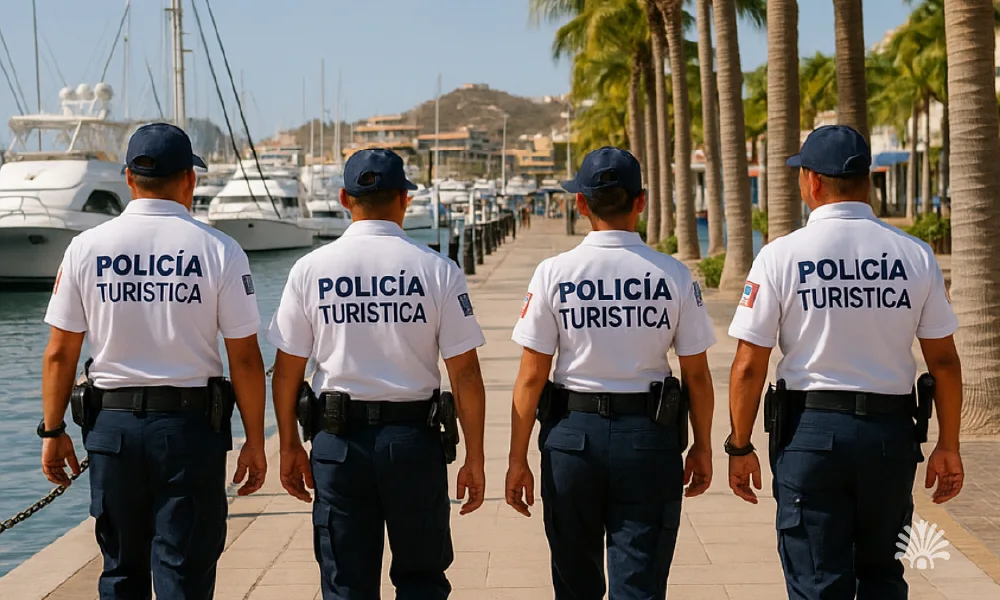
Most visitors to Los Cabos and Baja California Sur will never encounter the legal system. But for the few who do, whether due to a traffic stop, a bar altercation, or a misunderstanding, the gap between expectation and reality can be jarring.
Mexico’s justice system operates on a very different logic from that of the U.S. Legal assumptions that most Americans (or Canadians) take for granted, like Miranda rights, immediate access to bail, or presumption of innocence, don’t apply here. In a destination that receives millions of foreign visitors each year, this isn’t just a hypothetical issue. It’s a blind spot.
When the Rules Change and You Don’t Know It
“Failure to plan is planning to fail,” says Edward dePasquale, an American executive who resides full-time in Mexico and consults exclusively with SISPIMX, a private security firm in San Jose del Cabo. “Most travelers don’t know what would happen if they were arrested in Mexico. And by the time they’re asking, it’s already too late to plan.”
DePasquale’s firm offers legal coordination and logistical support for foreign nationals facing legal difficulties. The opportunity in this sector is to address a structural mismatch between rising tourism and stagnant public awareness.
Here are some key differences travelers should understand:
- No Miranda rights. Mexican authorities are not required to inform detainees of their rights as U.S. or Canadian police are.
- No guaranteed bail. Mexico uses a system of “precautionary measures” that must be granted by a judge, rather than being automatically assumed.
- Presumption of guilt. In Mexico, defendants are often treated as guilty until proven otherwise.
- Foreign lawyers can’t practice. You must retain a lawyer licensed in Mexico. Your U.S. or Canadian attorney cannot represent you.
- No U.S. embassy in South Baja. The nearest U.S. Embassy is in Mexico City, though consular staff in Los Cabos can assist in limited ways.
- Detention can last up to 72 hours before formal charges are filed.
While these facts are publicly available, they are rarely discussed. Most resorts, travel agencies, and even local expat groups focus on showcasing the best of Baja, which makes sense. But for travelers, failing to understand the basics of how the legal system functions can make a bad situation far worse.
What the U.S. Government Will (and Won’t) Do
According to the U.S. Department of State:
“If you are a U.S. citizen and you have been arrested or detained, please contact your nearest Embassy or Consulate. They may be able to assist with providing a list of local attorneys who speak English; contacting family, friends, or employers; visiting the detained U.S. citizen regularly; helping ensure appropriate medical care; and providing an overview of local justice procedures.”
But this assistance has limits. As the agency makes clear:
- U.S. consular officials cannot act as legal representatives.
- They cannot negotiate your release.
- They cannot override Mexican law.
What they can do is make sure your rights under local and international law are respected, notify your family, and help connect you with a lawyer. But they cannot intervene in the judicial process.
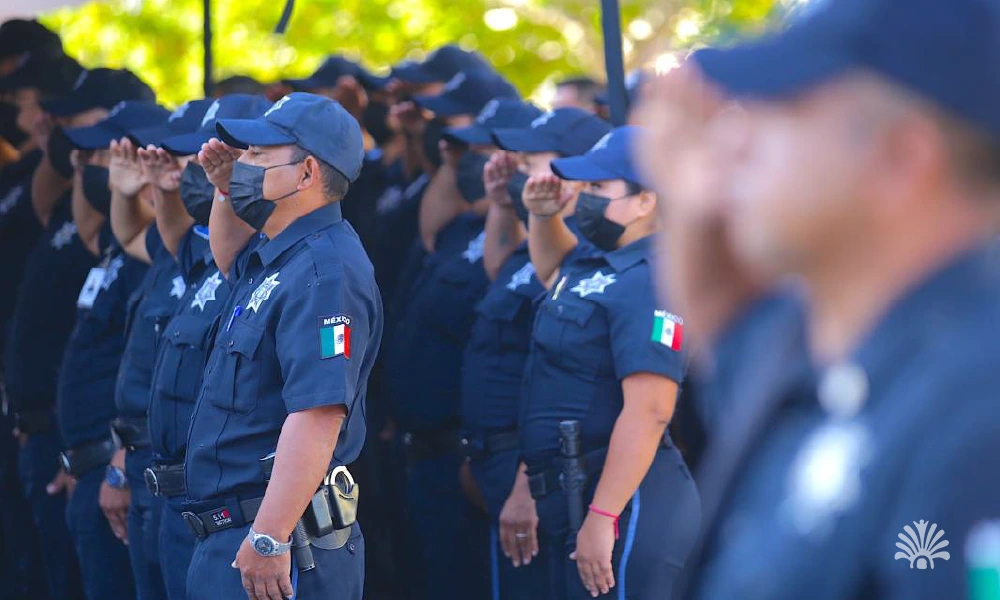
Under international treaties, Mexican authorities are supposed to offer any foreign detainee the right to notify their consulate. Yet in practice, detainees are often unaware they can request this, or are too overwhelmed to know how.

Why This Matters in a Place Like Cabo
Los Cabos is one of Mexico’s safest destinations and continues to rank among the country’s most secure states. For most, the idea of encountering legal trouble seems remote. But trouble doesn’t always come from crime. It can come from confusion.
Visitors might assume it’s acceptable to raise their voice at a police officer, refuse to comply with orders, or “call their lawyer.” But local law enforcement, often underpaid and operating under different protocols, will not respond as they might in the U.S. or Canada.
“Many Americans have a false sense of how much protection they have abroad,” says a former consular official who worked in Latin America. “They think the embassy will swoop in and fix things. That’s not how it works.
The Role of Private Response Services
In response to this gap, firms like SISPIMX have quietly built services to help foreigners navigate these moments. Their teams coordinate with Mexican legal counsel, manage family notification, and help visitors understand what to expect.
This isn’t about crisis profiteering. It’s about meeting a real, recurring need that traditional institutions are too slow or too diplomatically constrained to address.
“People don’t want to talk about the possibility of being arrested on vacation,” says dePasquale. “But not talking about it doesn’t make it less likely. It just makes it harder to handle if it happens.”
Know Before You Go
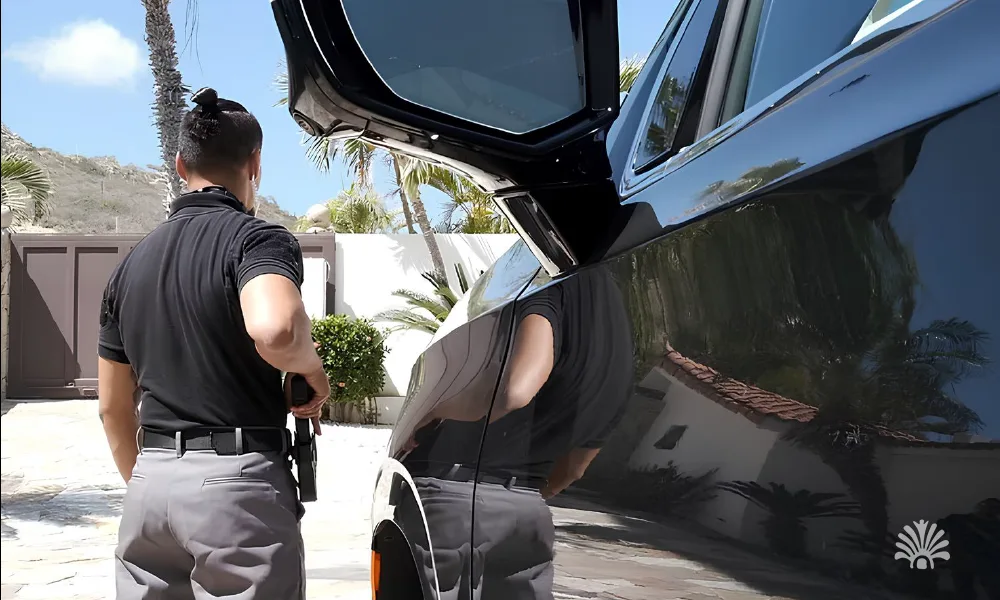
Planning a trip to Baja? Here are a few practical tips:
- Research local laws and customs. Especially around driving, alcohol, and interactions with law enforcement.
- Save emergency numbers. Including the U.S. Embassy in Mexico City and any consular staff in Baja.
- Know your rights and limits. Assume that the legal protections you’re used to will not apply.
- Have a contingency plan. Especially if you’re traveling with minors or managing a rental property remotely.
Conclusion: Safety Includes Awareness
The beauty of Baja California Sur draws visitors from around the world. But in the effort to show only the best, it’s easy to forget that absolute safety includes knowledge. A safer trip isn’t just about avoiding risk: it’s about knowing how to respond when something unexpected happens.
The vast majority of visitors to Los Cabos will leave with only good memories. But for those who face legal trouble, advance knowledge can mean the difference between panic and preparedness.