

|
Getting your Trinity Audio player ready...
|
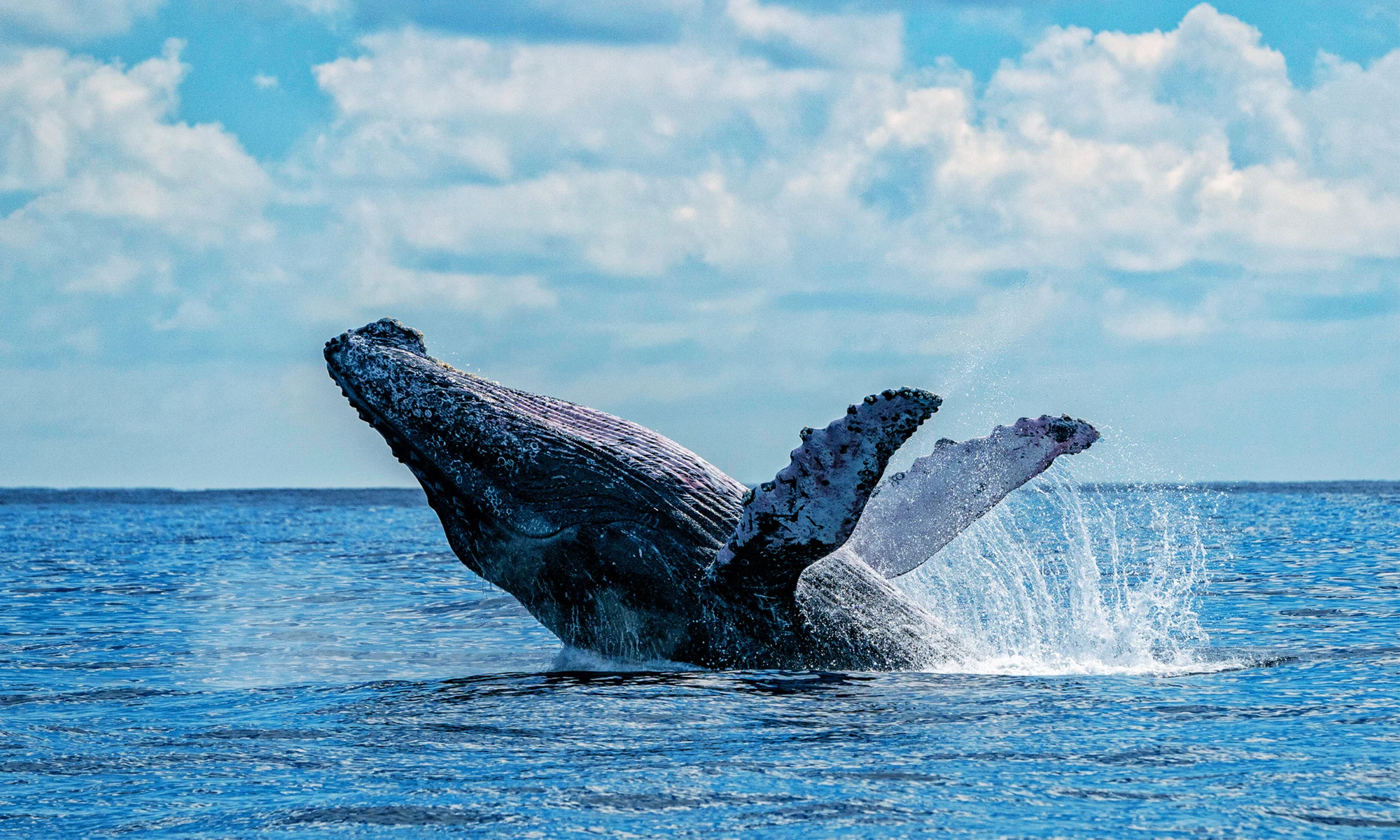
Whale watching in Baja California Sur has its own rhythm. From mid-December through April, the coasts of the Pacific Ocean and the Sea of Cortez come alive as whales arrive from the north, drawn by the peninsula’s warmer waters. The peak is from January to March. Where you go shapes what you see, and how you go matters just as much. The land here is caught between two seas, each with its own character. Each body of water creates different backdrops, different rules, and different ways to watch. What follows is a look at when to come, what you might see, and how whale watching actually works here, especially if you want to do it right.
The Context of Preservation and Habitat
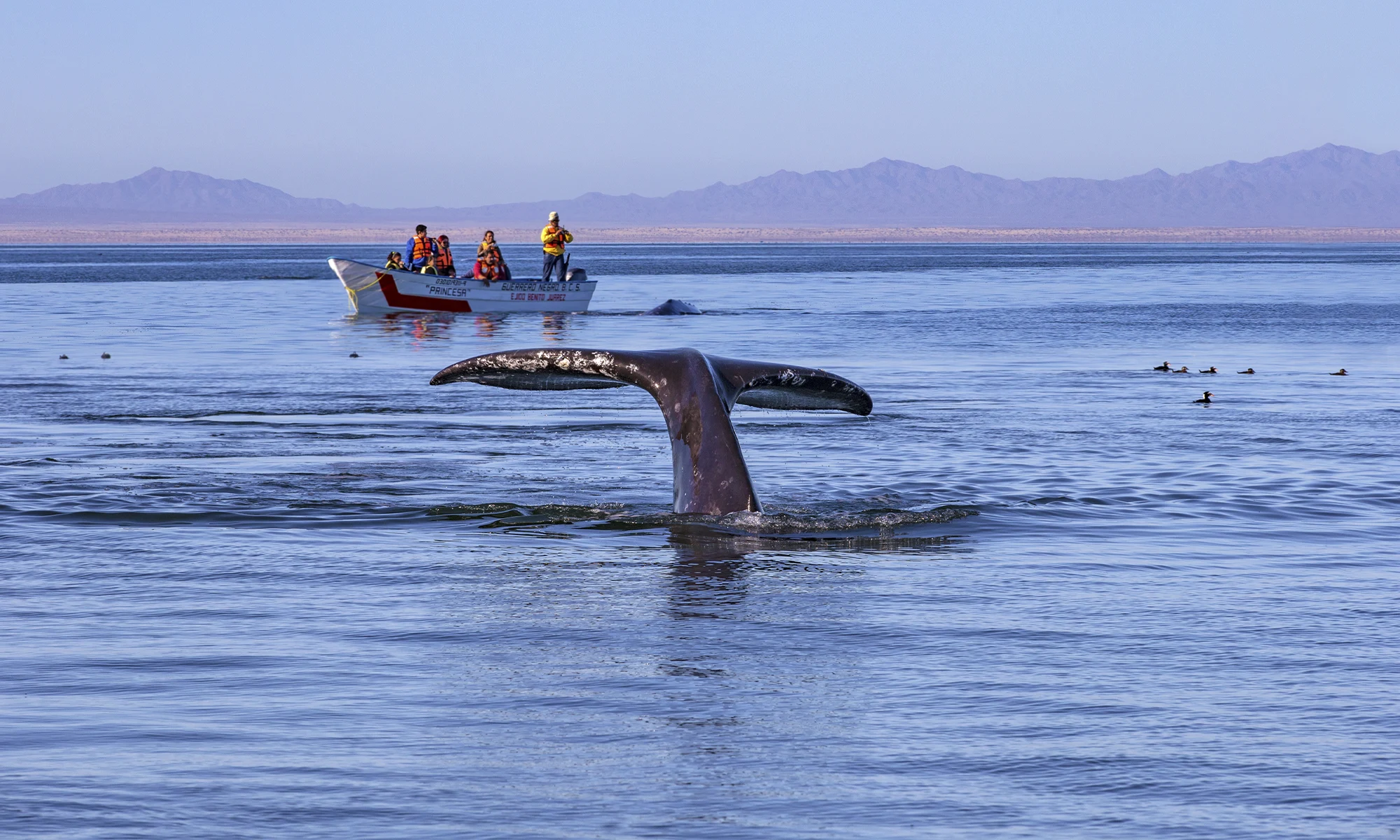
Whale habitats in Baja California Sur face both historical and contemporary pressures. Gray whales, for example, were hunted to the brink of extinction before receiving legal protection, making their recovery one of the most cited successes in marine conservation. Today, Mexico’s marine ecosystems are governed by federal regulations, including the Official Mexican Standard NOM-131-SEMARNAT, which establishes clear rules for whale-watching activities in national waters.
Still, the challenges haven’t gone away. More boats and more noise make it harder for whales to feed, breed, and talk to each other. Blue whales, especially, are at risk in places like Loreto Bay, where the water is tight and the margins are thin. When unlicensed boats get too close, or tours ignore the rules, it puts extra pressure on animals that are already vulnerable.
The future of whales here depends on more than just protected areas like Cabo Pulmo or the gray whale lagoons. It also comes down to the choices visitors make. Responsible tourism isn’t just a slogan: it’s real protection, woven into every trip.
A Regional Guide to Whale Watching in Baja California Sur
Los Cabos
Los Cabos sits at the tip of the peninsula, where the Pacific meets the Sea of Cortez, and the result is a stretch of water where whales show up again and again. Humpbacks are the main event here, breaching, tail-slapping, and sometimes surfacing so close you can feel the spray. Gray whales, fin whales, and even orcas make appearances, though less often.
Peak season is January through March. Most tours leave from the Cabo San Lucas Marina, heading out to deep water where humpbacks gather to breed. There are a lot of boats here, and most are licensed, so following the rules matters. Tours focus on what happens at the surface — breaches, spouts, and flukes — while strict limits on boat numbers and distance help keep the stress on whales down.
East Cape (Cabo Pulmo and Gordo Banks)
The East Cape is quieter. On the Sea of Cortez side, the coast feels more remote, and the focus is on the environment as much as the whales. Around Cabo Pulmo, you might see small groups of humpbacks during breeding season. Sometimes, fin whales show up near Gordo Banks, an offshore rise that draws in life.
The season here is the same as in Los Cabos: December to April. There’s not much development along the East Cape, so you feel closer to the water and the wild. Whale watching adheres to the stricter rules of Cabo Pulmo National Park, with a focus on low-impact trips and protecting all wildlife, not just whales.

La Paz
La Paz is the state’s capital, and it’s where most people start if they want to see whales in either the Gulf or the Pacific. In the Sea of Cortez, you might spot humpbacks or fin whales, and the bay is a busy migration route for all kinds of species.
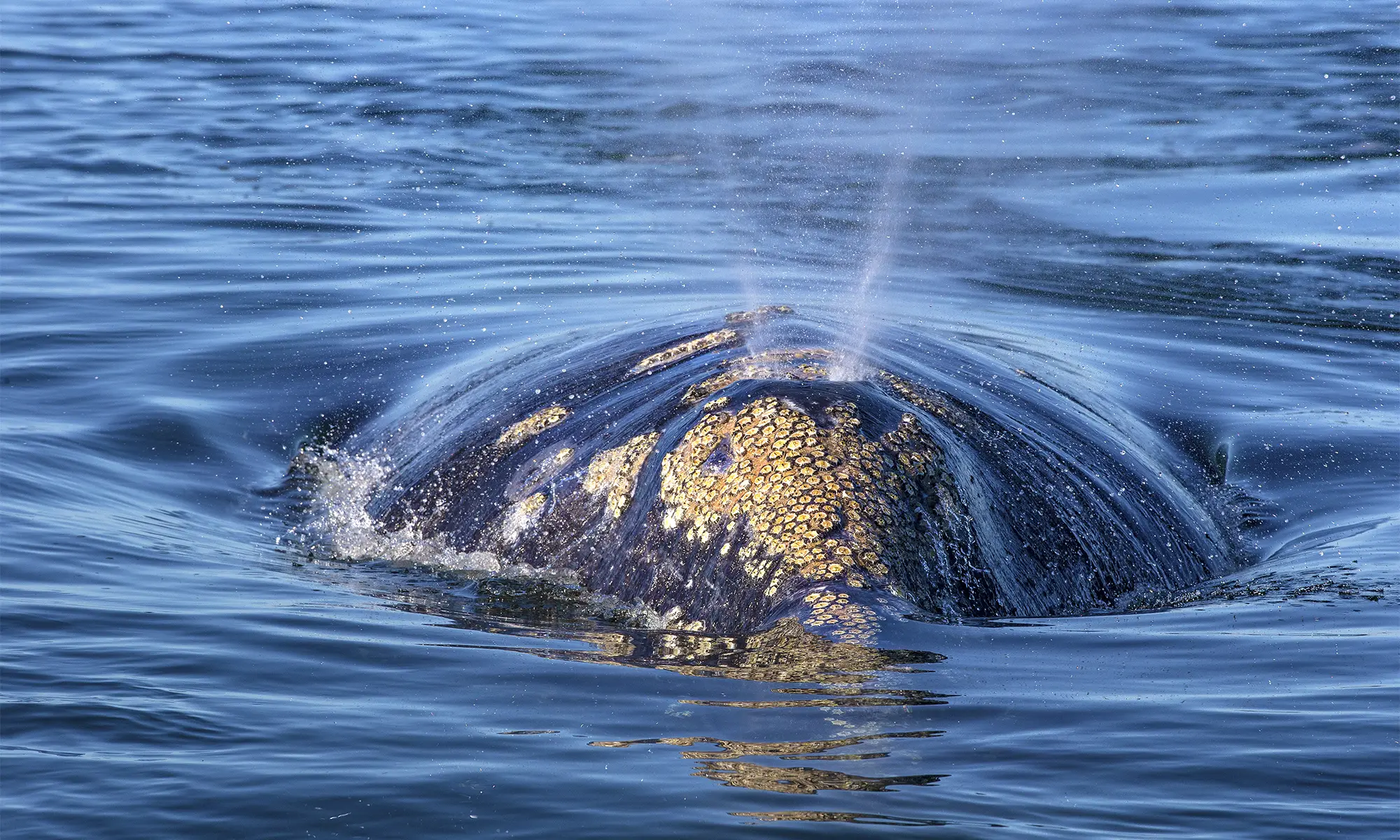
La Paz is also the main gateway for viewing gray whales in the Pacific lagoons of Magdalena Bay. Getting there and back takes a full day, but it’s worth it when the gray whales gather in the calm, shallow water to raise their young. Local cooperatives run these tours under special permits, with clear rules about how close you can get. La Paz is also known for whale shark encounters, which enhance its reputation as a hub for well-run marine wildlife tours.
Todos Santos / Pescadero / Cerritos
This part of the Pacific coast sits right in the path of migrating whales. It’s a good place to watch from shore or take a small boat out, far from the bigger crowds. Humpbacks and gray whales are the main draw, especially from late January to mid-March when the action peaks.
Most tours here are small, run by local fishermen who launch from the beach or simple harbors. The setup is informal, so picking the right operator matters. The safest bet is to go with someone licensed and experienced, who knows the rules and the water.
Loreto
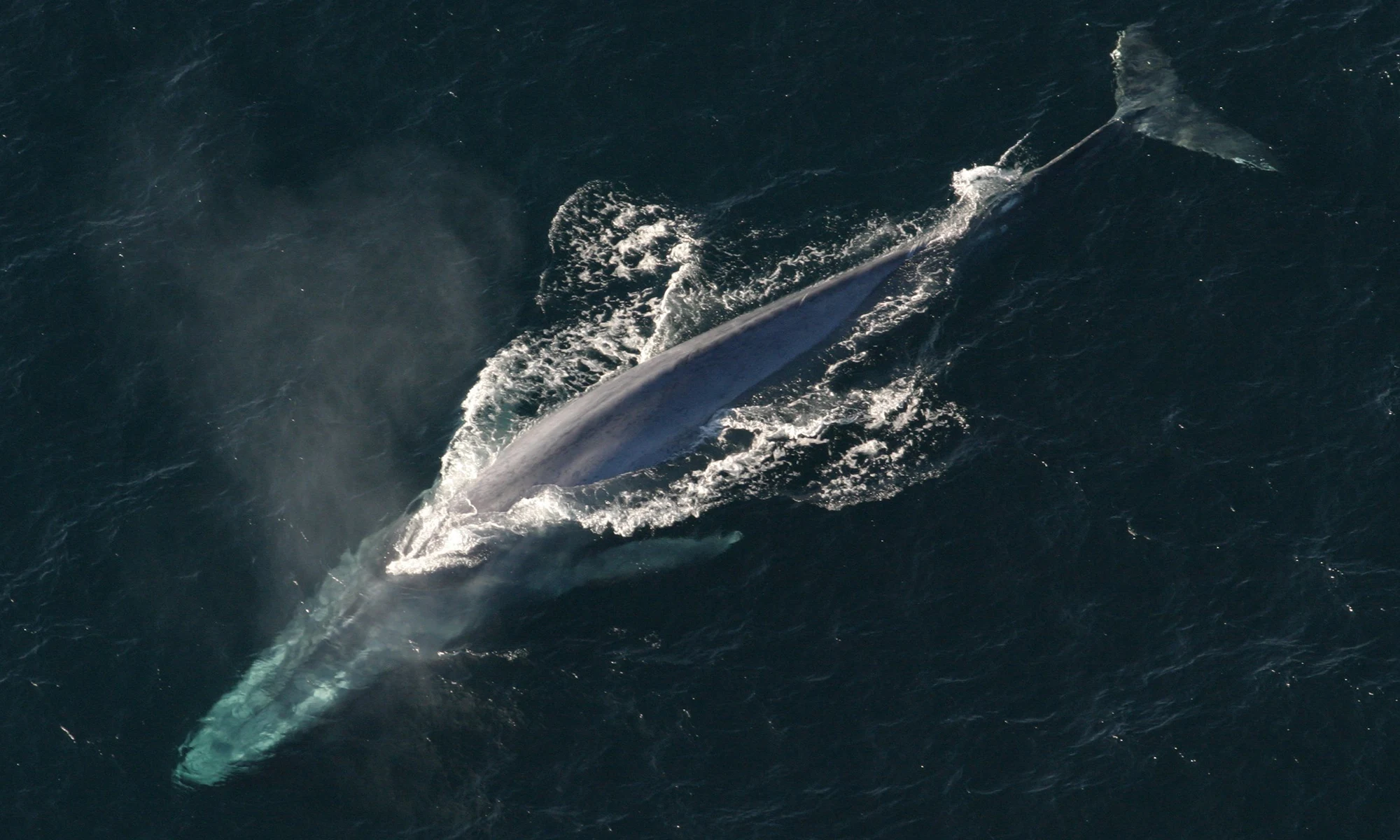
Loreto Bay National Park is a standout for whale watching in Mexico, especially if you want to see the big rorquals. The park is famous for blue whales — the largest animals on the planet — which come here to feed and raise their young from February to mid-March. Fin whales are common too, along with humpbacks and, if you’re lucky, the occasional Bryde’s whale.
In Loreto, whale watching follows the Blue Whale Passive Watching Program. Boats drift with engines off, keeping at least 100 meters away. The focus is on protecting the whales, not getting as close as possible. You need an official bracelet to enter the park, and only authorized marinas may send boats out. Conservation comes first here.
Practical Advice for Ethical Trip Planning
The choices travelers make matter, for the ocean and for the people who live here. Ethical whale watching starts with picking an operator who’s properly permitted. Legitimate companies show their permits, which means they know the rules about how close to get, how many boats can be out, and how long you can stay. Most trips limit viewing to 30 minutes per whale or group.
Unlicensed boats are the biggest risk to whales. The best thing you can do is avoid them. Look for tours with naturalists or marine biologists on board, as these trips focus on learning and observation, not just entertainment. That’s what responsible whale watching looks like in Baja California Sur.