

|
Getting your Trinity Audio player ready...
|
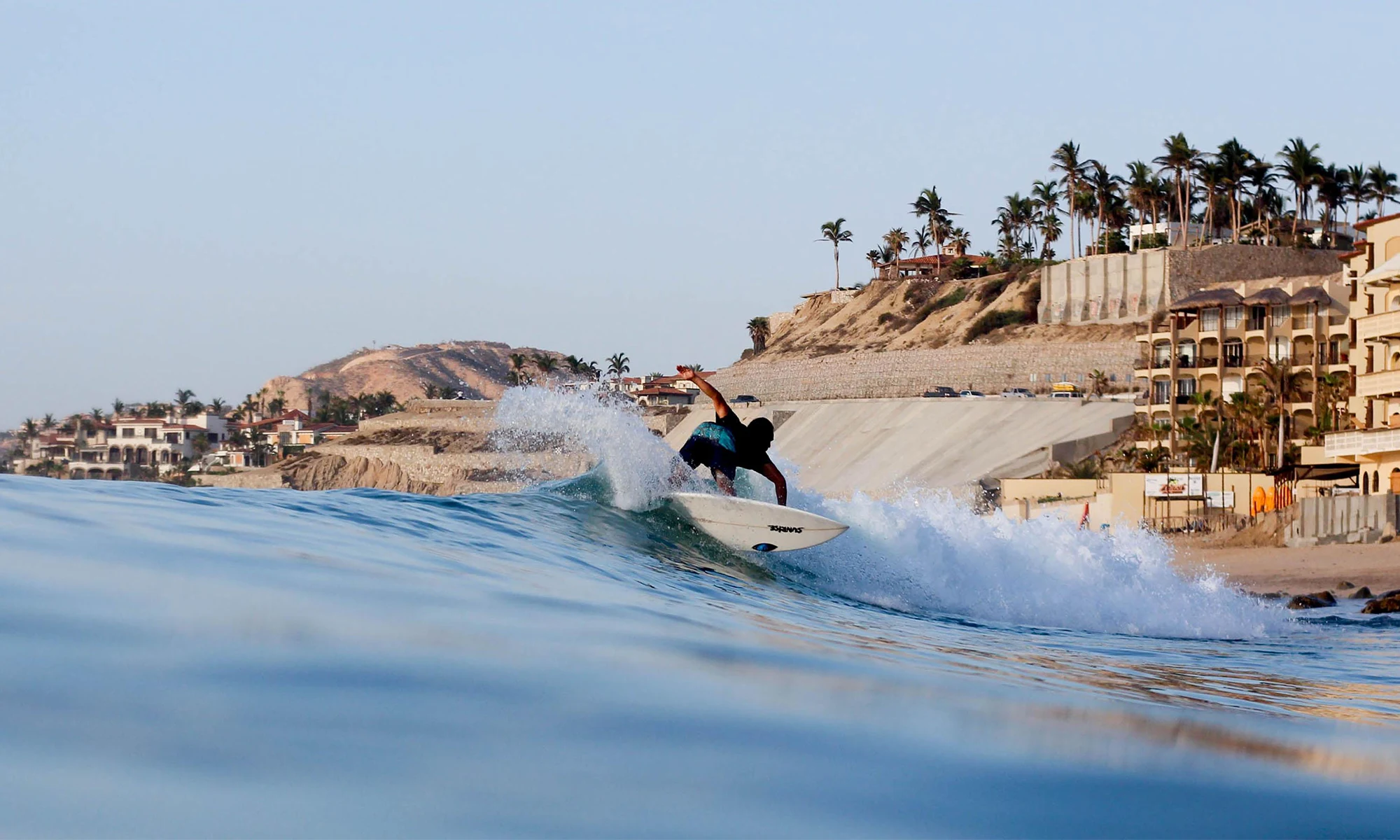
The surf scene in Cabo and southern Baja California Sur is defined less by a single iconic wave and more by its geographic variety. Pacific-facing beaches, long points, reef setups, and the more protected Sea of Cortez coast all respond differently to seasonal swell patterns. Spring plays a transitional role across the region, marking the shift from winter northwest energy to the first pulses of southern hemisphere swell. For surfers, this means variability, but also opportunity, depending on location and experience level.
What follows is a regional breakdown of how the surf scene operates, what types of waves dominate each zone, and how spring conditions shape the experience.
Pacific Coast
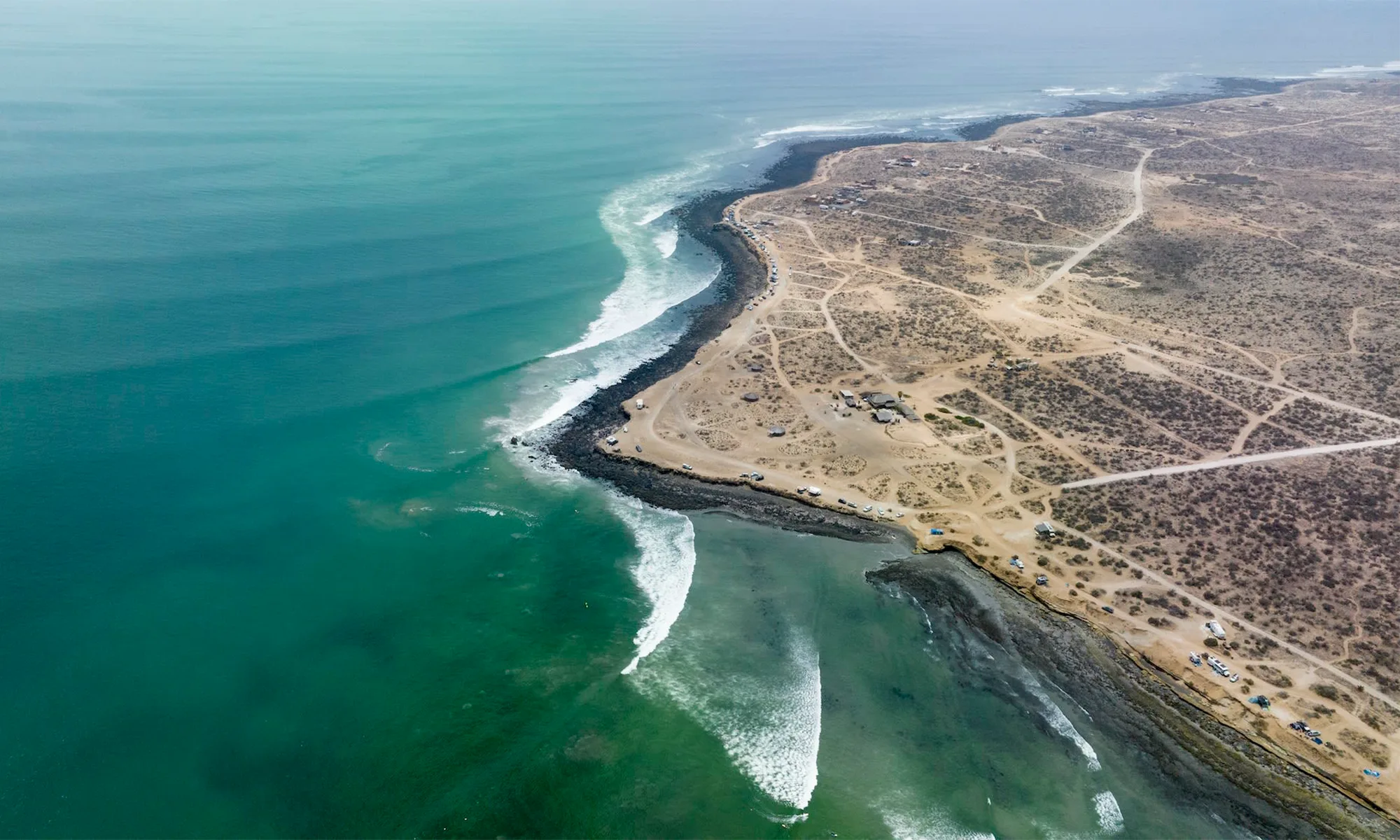
The Pacific coast of Baja California Sur offers some of the longest and most powerful waves in the region, but also demands commitment. South swell is the primary driver here, making late spring and summer the most productive periods. During spring, consistency increases gradually, with April often serving as the first real indicator of the season ahead.
Around Punta Abreojos and San Juanico, long right-hand point breaks define the experience. These waves reward endurance, positioning, and control rather than quick, reactive surfing. In spring, waist- to head-high surf becomes more common, often cleaner and less crowded than in peak summer months. Currents, long paddle-outs, and wave length place these areas firmly in the intermediate to advanced category.
Nearby beach and river-mouth setups, such as La Bocana, introduce more variability. Sandbars shift with runoff and seasonal changes, creating windows of quality rather than daily reliability. These spots tend to suit surfers who are comfortable reading conditions and adapting quickly.
Further south along the outer coast near Bahia Magdalena, the landscape becomes more remote. Long sand spits and exposed points can produce excellent surf when early south swell arrives, but long flat spells are common in spring. Limited access and minimal infrastructure mean this zone is best approached by experienced surfers who are comfortable traveling without guarantees.
Todos Santos, Cerritos, and Pescadero
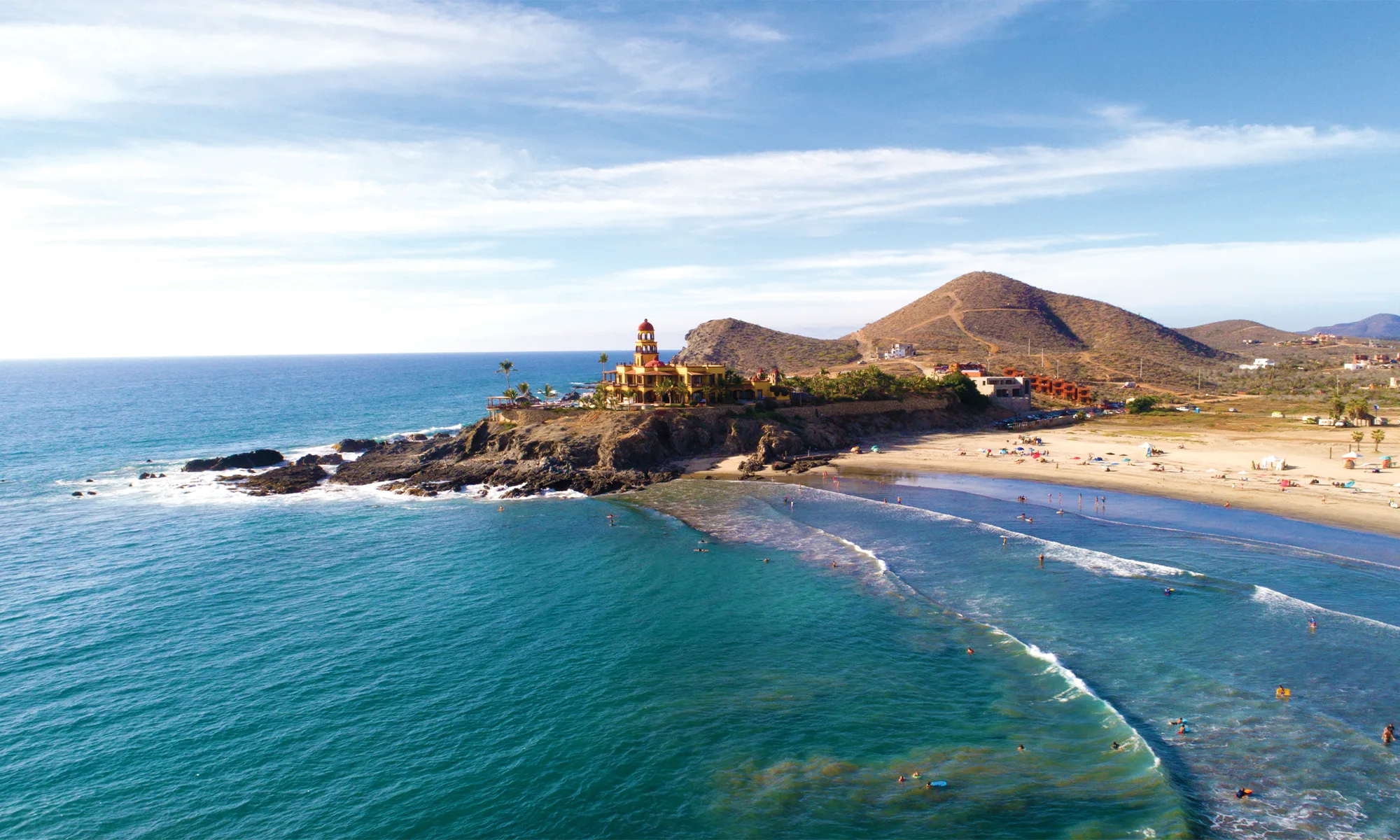
This stretch of coastline represents one of the most accessible and diverse surf zones in southern Baja. The mix of beach breaks, points, and reefs allows surfers of different levels to find workable conditions, even during transitional seasons.
Cerritos Beach anchors the area with its wide sandy setup and multiple peaks. While winter is the most consistent season, spring remains highly surfable as fading northwest swell overlaps with early south energy. The forgiving shape and manageable power make Cerritos the most beginner-friendly wave on the Pacific side, while still offering playful sections for more advanced surfers on smaller days.
Points and reefs near Todos Santos introduce a step up in intensity. San Pedrito, Punta Lobos, and La Pastora all rely more heavily on winter swell, but spring still delivers select sessions when conditions align. Even at reduced size, these waves remain fast and technical, with reef structure and strong energy limiting their appeal to intermediate and advanced surfers.
El Conejo, located farther north, adds another dimension to the Pacific offering. This beach break provides a quieter alternative during spring, with April favoring shortboarders seeking power and June producing softer, more playful peaks suited to intermediates and longboarders.
East Cape
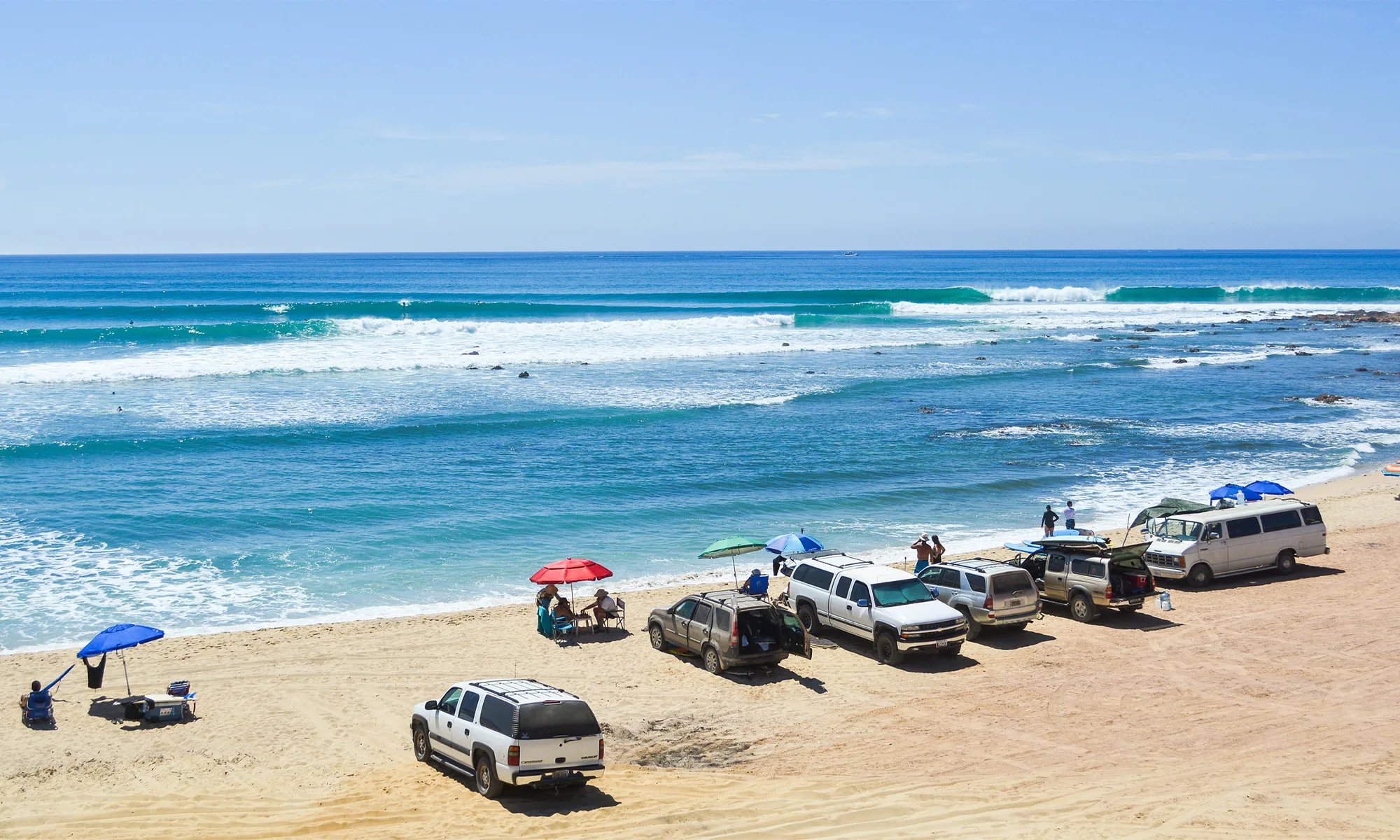
The East Cape marks a clear shift in both geography and surf character. Facing the Sea of Cortez, this region responds almost exclusively to southern hemisphere swell, making spring a pre-season rather than a peak window.
In April, most East Cape breaks remain quiet. By May and June, the first consistent energy of the year begins to appear. La Fortuna stands out for its power and steep takeoffs, handling large south swells and delivering demanding waves for experienced surfers as spring progresses.
Reef and point setups such as Shipwrecks and Nine Palms become increasingly active as the season moves forward. Spring sessions are inconsistent but often clean, with moderate wave heights that provide a preview of the summer conditions to come. Reef entries, currents, and wave power mean these breaks are best suited to intermediate and advanced surfers with prior experience in similar environments.
San Jose del Cabo
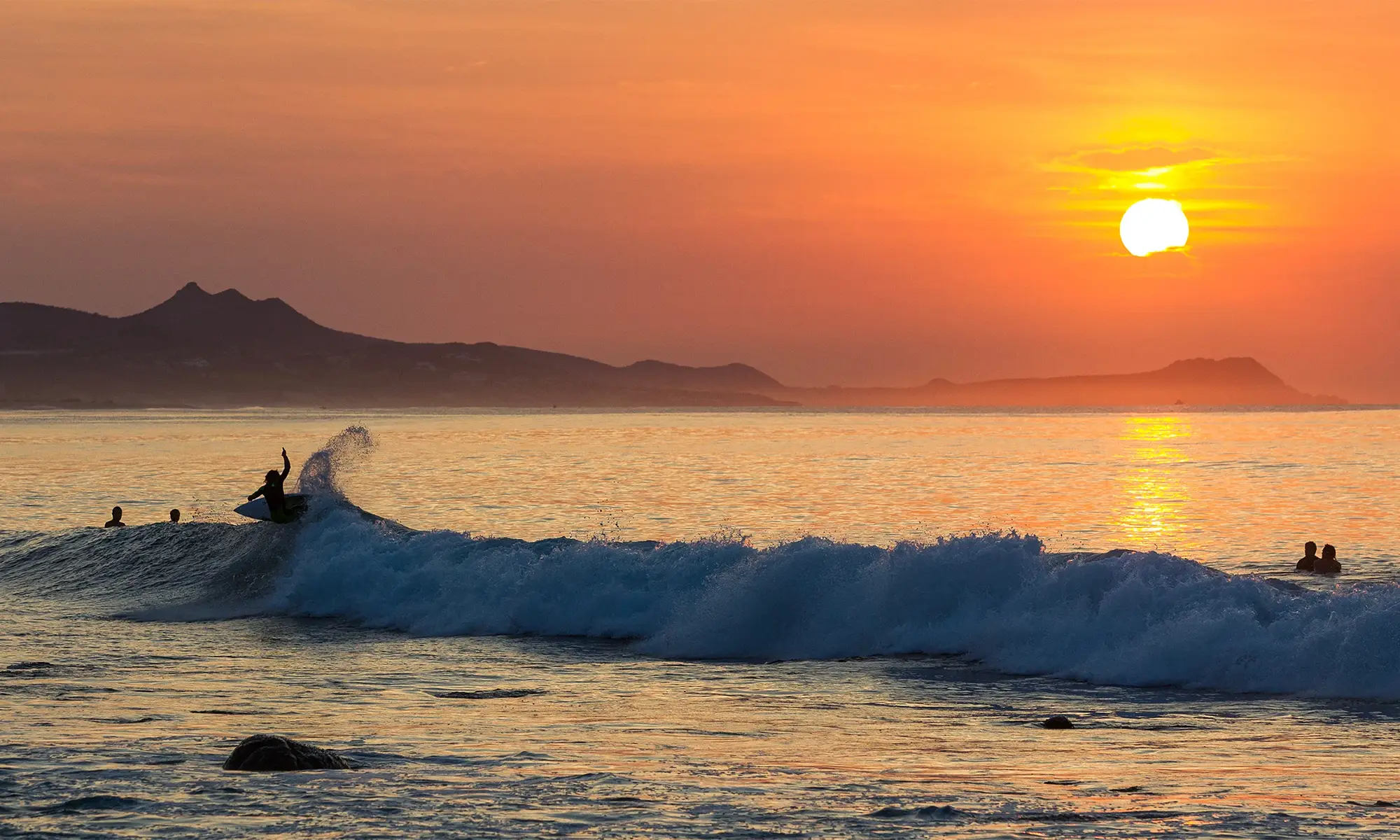
San Jose del Cabo forms the most reliable spring and summer surf hub in the region. Sheltered from Pacific extremes and well-positioned for south swell, this area offers daily options even when other zones are quiet.
Old Mans, also known as Acapulquito, defines accessibility and consistency. Long, forgiving right-hand walls and predictable takeoffs make it the primary learning wave in Cabo. Throughout spring, small but steady surf provides dependable conditions for beginners and longboarders.
Nearby breaks introduce more performance-oriented surfing. The Rock begins to show potential in May, while Zippers becomes increasingly active as south swell frequency increases toward June. These reef breaks are fast and precise, with crowd density and shallow sections limiting them to intermediate and advanced surfers.
Cabo San Lucas, Pacific Side
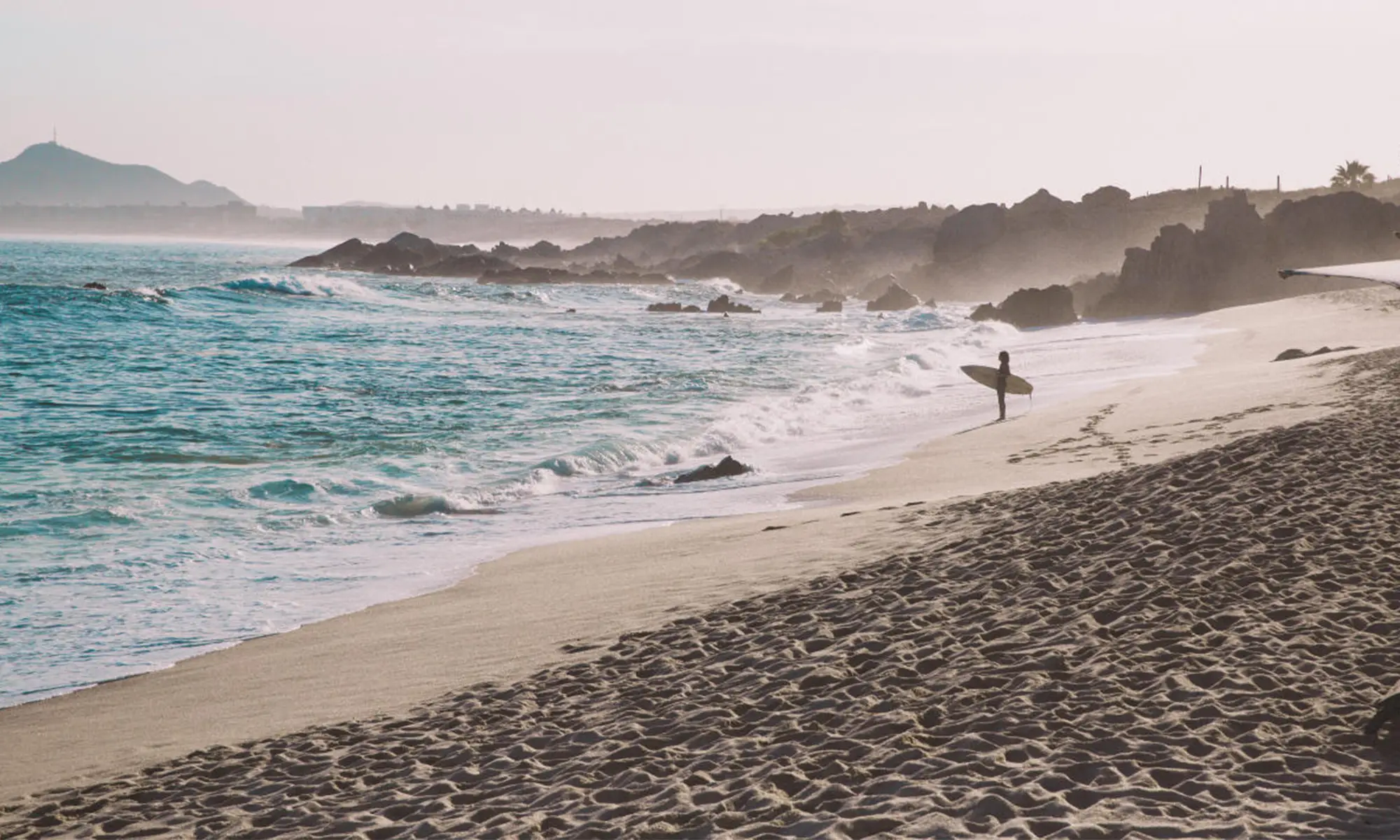
On the Pacific side of the Cabo corridor, exposure increases and conditions become more demanding. El Tule functions well during the spring transition, benefiting from lingering northwest energy in April and cleaner south swell by June. The rocky bottom and fast peaks favor experienced surfers.
Monuments represents the most extreme expression of this zone. A powerful left-hand reef break, it responds best in summer but offers challenging, more manageable conditions during spring pulses. Even then, wave speed and reef proximity reserve it strictly for advanced surfers.