

|
Getting your Trinity Audio player ready...
|

Photo by Longevity Medical Institute
Every year, millions of patients around the world cross international borders in search of medical care. Some travel for specialized procedures, others for advanced diagnostics or preventive health programs that may be difficult to access at home. This growing movement, widely known as medical tourism, has become one of the most dynamic segments of the global healthcare industry.
In particular, Patients from the U.S., Canada, and other countries are increasingly traveling to Baja California Sur for diagnostic testing, specialized procedures, and preventive healthcare programs. The combination of modern medical facilities, competitive costs, and the infrastructure of an international tourism destination has created conditions that support this emerging sector.
Recent developments in advanced diagnostics and regenerative medicine illustrate how healthcare is becoming a complementary pillar of the regional economy.
Understanding Medical Tourism

For decades, medical tourism has led patients to cross borders in search of specific expertise or lower treatment costs. What has changed in recent years is the scale and organization of the industry. International travel networks, specialized medical facilities, and digital communication now allow patients to research treatments and coordinate care abroad with far greater ease.
One of the most important drivers is cost efficiency. Many procedures performed in the U.S. can cost significantly more than comparable treatments in other countries. Even when travel expenses are included, patients often find that international care offers substantial savings.
Another factor is access to care. In some healthcare systems, patients face long wait times for specialized procedures or diagnostic imaging. Traveling abroad can provide faster access to treatment or advanced screening technologies.
The growing interest in preventive medicine and longevity programs has also contributed to the rise of medical travel. Many clinics now offer comprehensive health evaluations that combine imaging, laboratory testing, and lifestyle analysis in a single visit.
Why Mexico Has Become a Leading Medical Tourism Destination
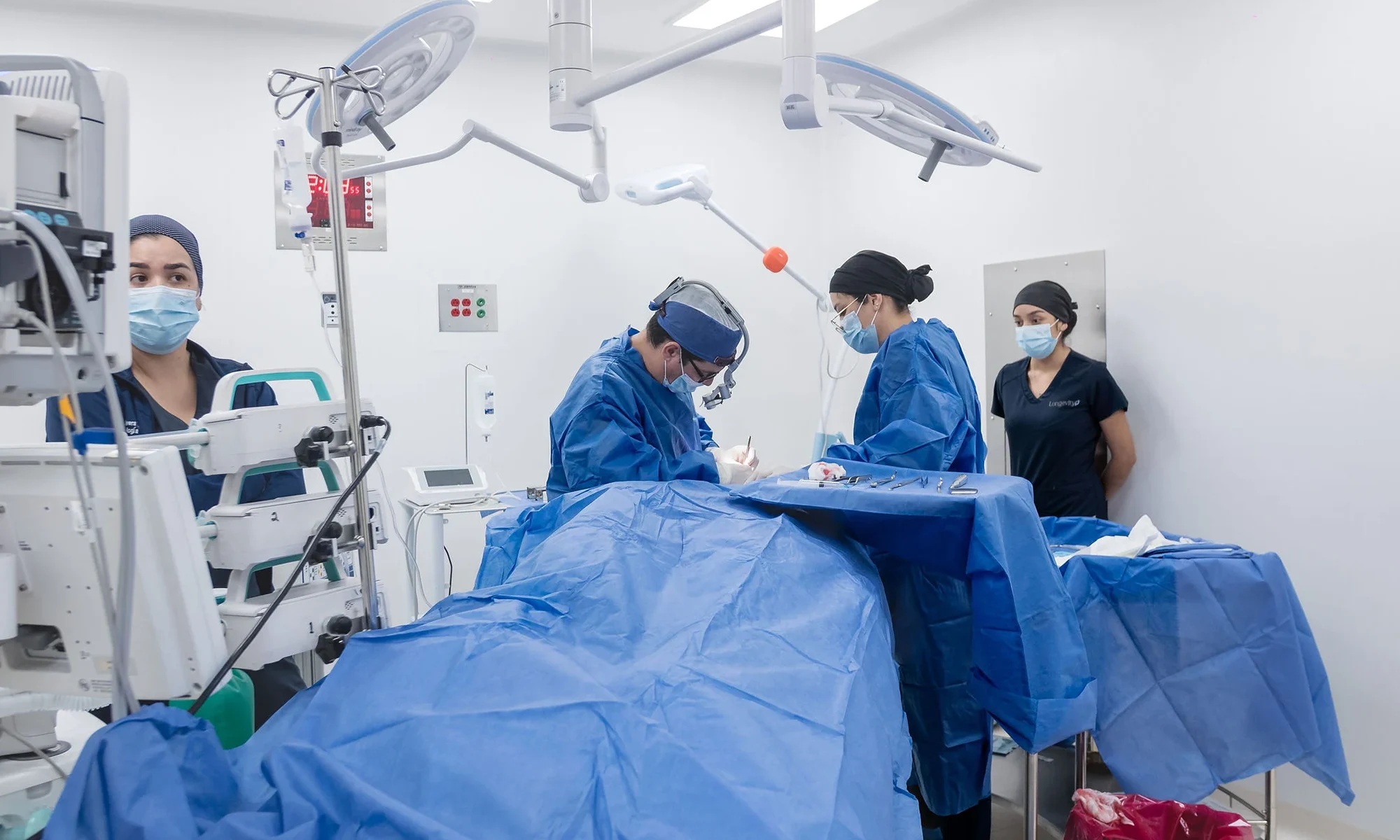
Photo by Longevity Medical Institute
Mexico is one of the most important destinations for medical tourism globally. Geographic proximity to the U.S. plays a significant role. For many American patients, traveling to Mexico can involve only a short flight or even a drive across the border.
Mexico also benefits from a strong private healthcare sector with physicians trained internationally and facilities that meet modern clinical standards. Private hospitals and specialty clinics frequently serve international patients, offering bilingual medical staff and streamlined treatment schedules.
In addition, Mexico’s healthcare regulatory system, overseen by COFEPRIS (Comision Federal para la Proteccion contra Riesgos Sanitarios), provides federal oversight for pharmaceuticals, medical devices, and biotechnology operations.
These conditions have allowed several Mexican destinations to develop specialized medical tourism clusters, including cities such as Tijuana, Cancun, Guadalajara, and increasingly Los Cabos.
The Unique Position of Los Cabos
While some Mexican cities are known for high-volume surgical tourism, Los Cabos is developing a somewhat different niche within the medical travel sector.
The region’s appeal lies in the combination of advanced healthcare services with a world-class tourism environment. For many patients, the ability to receive treatment in a destination already equipped with international airports, luxury accommodations, and wellness amenities is a significant advantage.
Rather than focusing primarily on high-volume surgeries, many clinics in Los Cabos emphasize areas such as preventive diagnostics, orthopedic treatments, sports medicine, regenerative therapies, and longevity programs.
The environment also supports recovery and rehabilitation. Patients often extend their stay after treatment, combining medical care with rest, wellness activities, or physical therapy.
These characteristics have helped shape Los Cabos as a destination for high-value, specialized medical services rather than large-scale surgical tourism.
New Technologies Supporting Preventive Medicine

Photo by Longevity Medical Institute
One recent example is the introduction of AI-enhanced full-body MRI screening at Longevity Medical Institute in Los Cabos. The program combines magnetic resonance imaging with artificial intelligence tools designed to improve image reconstruction and assist physicians in identifying potential health concerns earlier.
Unlike traditional imaging focused on a single area of the body, full-body MRI scans allow physicians to examine multiple systems during a single session, including the brain, cardiovascular system, internal organs, and musculoskeletal structures.
Another area receiving growing attention in Los Cabos is regenerative medicine.
Physicians and scientists associated with Longevity Medical Institute recently published peer-reviewed research examining the use of mesenchymal stem cell therapies for diabetic foot ulcers, a severe complication of diabetes that can lead to infection and amputation.
The study reviewed multiple clinical trials and found that stem cell-based therapies showed promising outcomes when used alongside conventional wound care, including improved healing rates and reductions in ulcer size.
Researchers believe these therapies support recovery through mechanisms such as reducing inflammation, promoting new blood vessel formation, and stimulating tissue regeneration.
While regenerative medicine continues to evolve scientifically and clinically, research contributions from institutions working in Baja California Sur reflect the region’s increasing participation in international medical innovation.