
|
Getting your Trinity Audio player ready...
|
We recently sat down with Tracy Collingridge, broker at Coldwell Banker Momentum Real Estate in Loreto, to talk about how the market is evolving in one of Baja California Sur’s most historical towns. Our conversation covered how Loreto differs from Los Cabos, the planning rules that shape its growth, who is buying there today, and where new developments like Alta Baja fit into the area’s long-term trajectory.
How Loreto Compares to Los Cabos
How do you describe Loreto to someone who knows Cabo but has never been there?
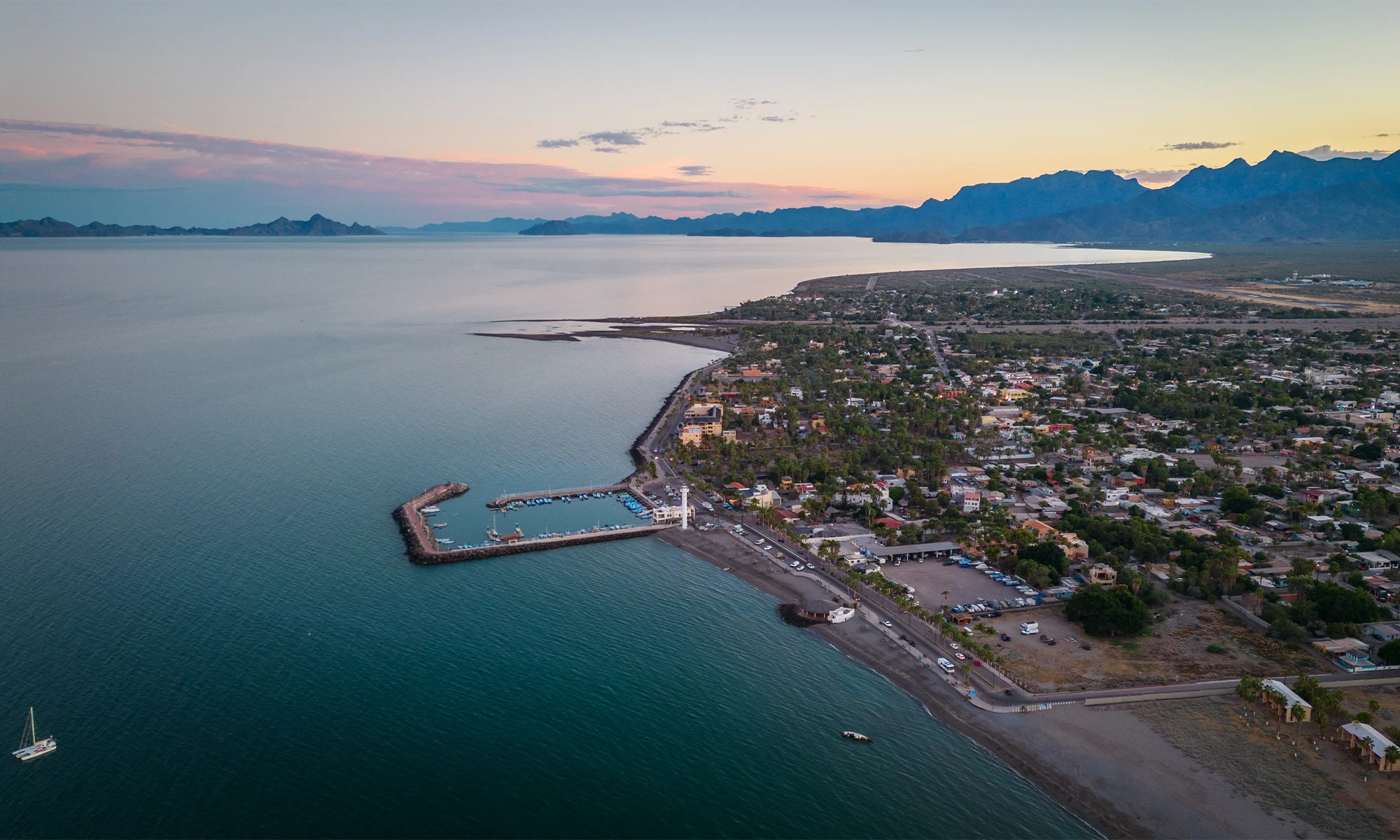
One of the great things about Loreto is that it’s very accessible, even though people often assume it’s remote. We have an international airport, and depending on where you’re staying, you’re about 10 to 20 minutes away. It’s a town of roughly 25,000 people, so it feels intimate, but it still has everything you need: good restaurants, shopping, medical services, and a strong sense of community.
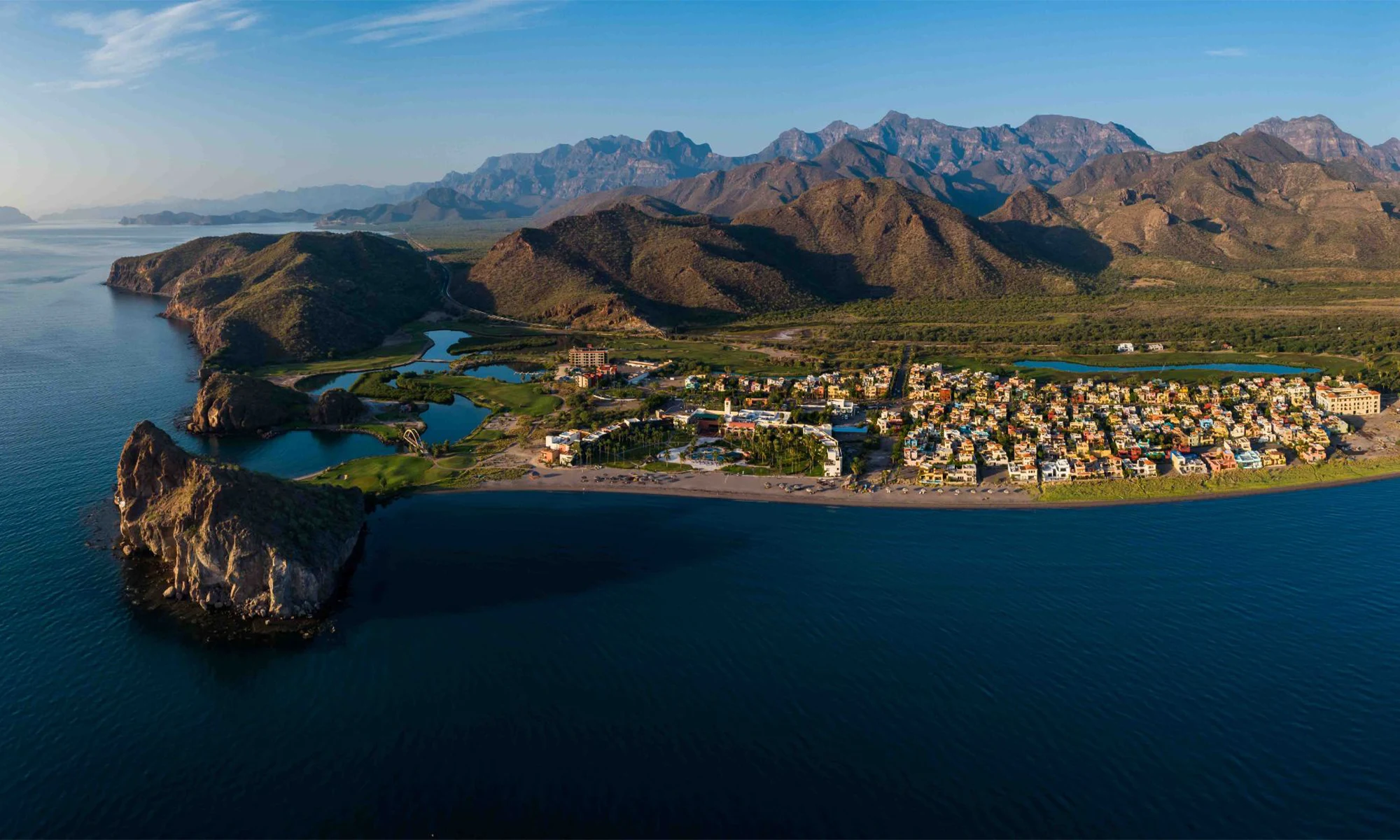
What really defines Loreto is the balance. You have a wide range of properties, from smaller condos to high-end luxury homes, beachfront residences, golf course properties at TPC Danzante Bay, and places like Puerto Escondido where you can have a yacht docked right in front of your home. So there’s variety, but it never feels overwhelming.
Compared to Cabo, Loreto is quieter and more relaxed. It’s a place where people come to live, not just to vacation, and that shapes the whole atmosphere.
Common Misconceptions About Loreto
What do people most often misunderstand about Loreto?
Honestly, the biggest misunderstanding is simply that people don’t really know it at all. Many assume it’s far away, hard to get to, or that there’s just not much there. I’m always surprised by how many people who live in Cabo have never been to Loreto, even though it’s only about a five-and-a-half-hour drive and a beautiful one at that.
Once people do come, their perception changes very quickly. They realize it’s not isolated, it’s not undeveloped, and it’s not lacking in amenities. It’s just calmer. I love going to Cabo for a few days to enjoy the energy, but after a while, you feel it. Loreto is different. You come back, and it feels more tranquil, more livable, while still offering everything you actually need, whether you’re here on vacation or living full-time.
Growth, Planning, and Development Limits
How has Loreto managed to grow without losing its character?
One of the great things about Loreto is that it’s very accessible, even though people often assume it’s remote. We have an international airport, and depending on where you’re staying, you’re about 10 to 20 minutes away. It’s a town of roughly 25,000 people, so it feels intimate, but it still has everything you need: good restaurants, shopping, medical services, and a strong sense of community.
What really defines Loreto is the balance. You have a wide range of properties, from smaller condos to high-end luxury homes, beachfront residences, golf course properties at TPC Danzante Bay, and places like Puerto Escondido where you can have a yacht docked right in front of your home. So there’s variety, but it never feels overwhelming.
Compared to Cabo, Loreto is quieter and more relaxed. It’s a place where people come to live, not just to vacation, and that shapes the whole atmosphere.
Common Misconceptions About Loreto
What do people most often misunderstand about Loreto?
Honestly, the biggest misunderstanding is simply that people don’t really know it at all. Many assume it’s far away, hard to get to, or that there’s just not much there. I’m always surprised by how many people who live in Cabo have never been to Loreto, even though it’s only about a five-and-a-half-hour drive and a beautiful one at that.
Once people do come, their perception changes very quickly. They realize it’s not isolated, it’s not undeveloped, and it’s not lacking in amenities. It’s just calmer. I love going to Cabo for a few days to enjoy the energy, but after a while, you feel it. Loreto is different. You come back, and it feels more tranquil, more livable, while still offering everything you actually need, whether you’re here on vacation or living full-time.
Growth, Planning, and Development Limits
How has Loreto managed to grow without losing its character?
We’re seeing a mix, but an interesting section of the market comprises people who already own property elsewhere and are now at a different stage of life. Many bought smaller homes years ago when they were still working, and now that they’re retired or spending more time here, they want something larger, closer to the beach, or with a sea view. That’s been a steady driver of demand in the higher-end segment.
At the same time, more people are discovering Loreto online. I’ve had buyers who had never been here before, found Loreto through internet searches, came for a short visit, and bought a property within days. Someone arrives planning to rent for a week and, instead of leaving with souvenirs, ends up buying a home.
We’re also seeing more Mexican buyers, particularly professionals. Doctors, lawyers, business owners, and developers from places like Mexico City and Monterrey are coming to Loreto, building high-quality homes, and putting down real roots in the community. That shift has become especially noticeable over the last few years.
Alta Baja and the Next Phase of Development
Where does Alta Baja fit within Loreto’s broader development story?
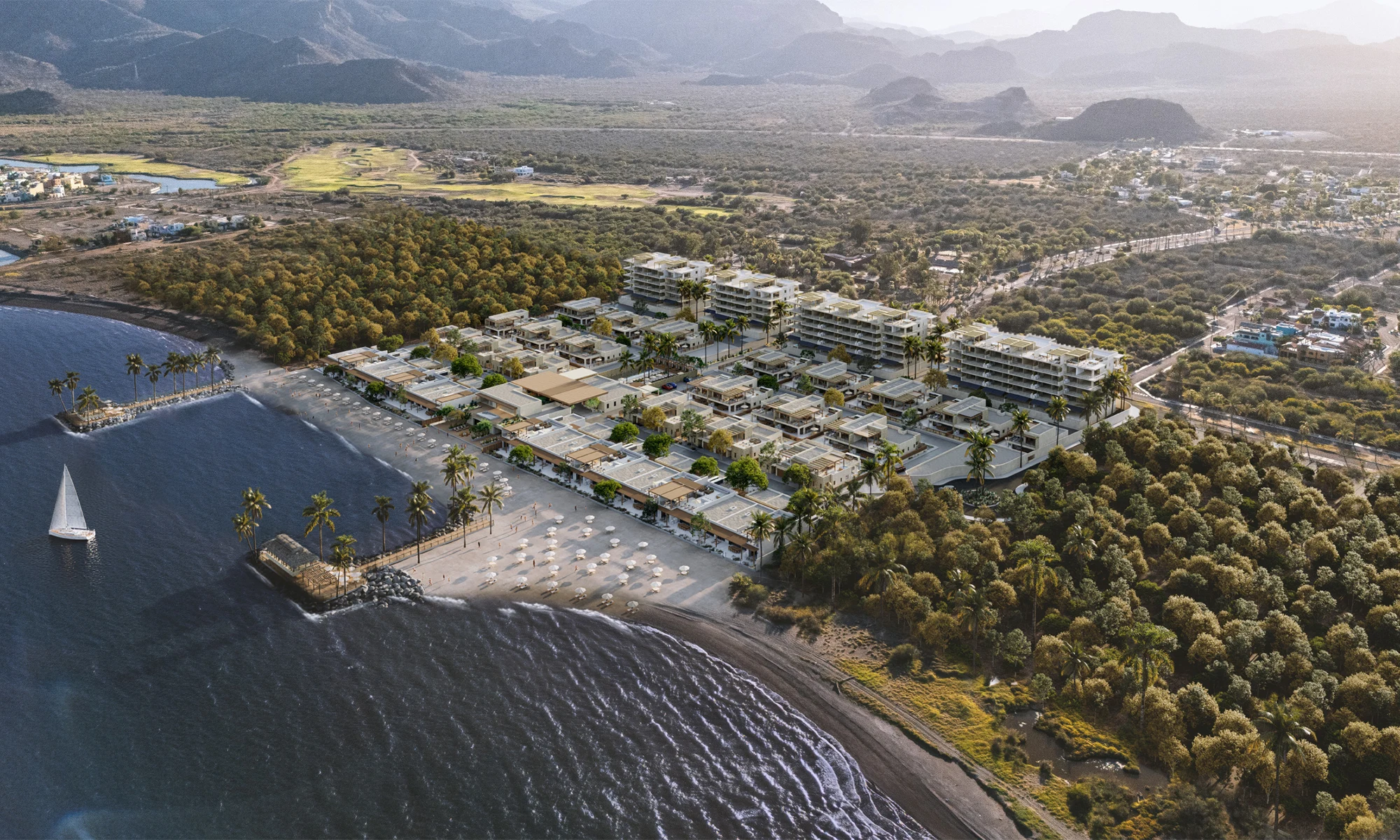
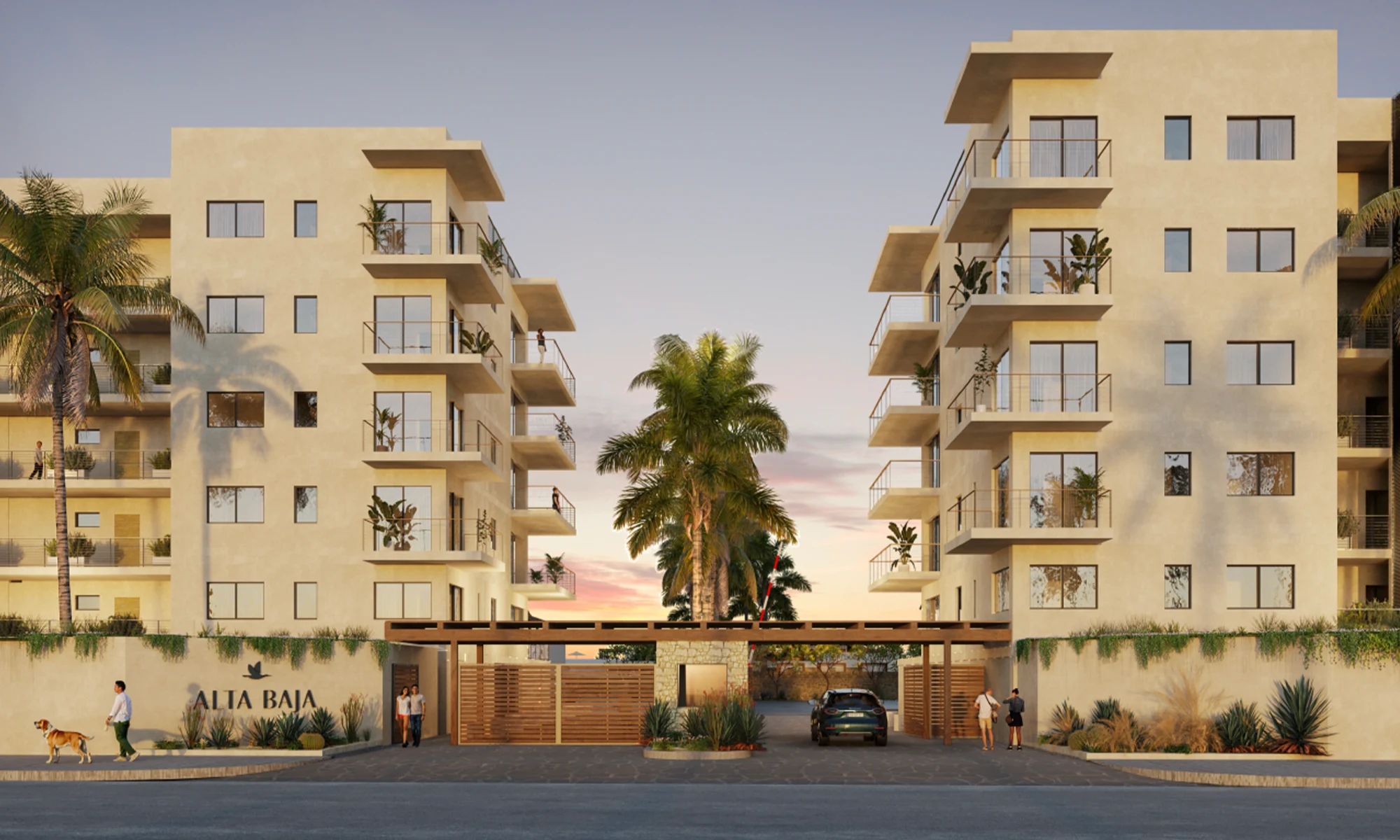
Alta Baja represents the next phase of development in Loreto, but very much in line with the town’s values. The property was purchased more than 20 years ago and was originally planned as a JW Marriott condo-hotel project. When the 2008 financial crisis happened, everything was put on hold.
When the developers revisited the project, they completely changed the concept. Instead of a hotel-style development, Alta Baja is now designed as a gated residential community with single-family homes and condominiums. The focus is on lower density, quality, and long-term livability. There will be roughly 30,000 square feet of amenities for homeowners, including a restaurant, beach club, fitness facilities, and a spa.
One important decision was not to sell empty lots. Buyers purchase a home and can customize it, but construction stays under one vision. That helps maintain quality and consistency across the community. Beachfront homes are expected to start in the 2.5 million dollar range, and even the condos are designed so that every unit has a sea view.
What Should Never Change in Loreto
As Loreto continues to develop, what is the one thing that should never change?
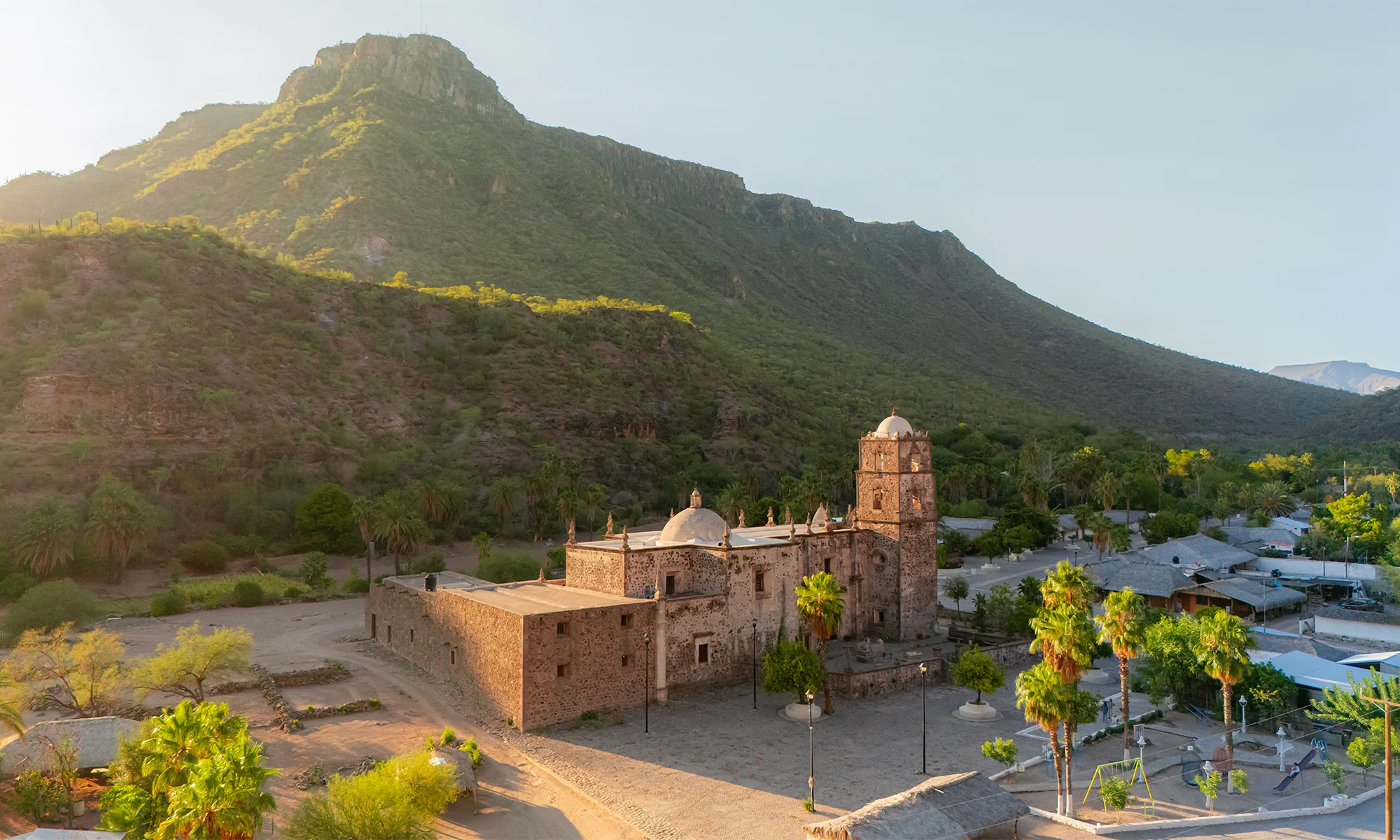
For me, it comes down to density and scale. If Loreto were to suddenly allow taller buildings or much higher density, it would completely change the town’s feel. The height restrictions and development limits are essential to preserving what makes Loreto special.
Loreto works because it feels human in scale. You still see the mountains, the mission, and the sea. Growth will happen, and it already is happening, but as long as it stays within those boundaries, Loreto can continue to evolve without losing its identity. That balance is what people value here, and once it’s lost, it’s very hard.