
|
Getting your Trinity Audio player ready...
|
This article is based on an interview with Karina Christensen, real estate professional at Ronival Real Estate, conducted on location in Plutarco Elias Calles, Baja California Sur.
For many people exploring real estate in Baja California Sur, the word ejido appears suddenly and without explanation. It may come up in a property conversation, a legal document, or even in the name of a town, such as Ejido Plutarco Elias Calles. The reaction is often hesitation. Is ejido land different? Is it riskier? Can it be owned at all? These questions are common and spring from understandable concerns. Much of Mexico’s land history is shaped by the ejido system, and understanding how it functions today is essential for anyone considering property here.
The Origins of the Ejido System
Ejidos were created after the Mexican Revolution in the early twentieth century as part of a broad agrarian reform. Large estates were broken up and redistributed to rural communities, not as private property but as communal land intended to be worked collectively. Individuals and families received long-term use rights — often inheritable — but they did not own the land outright and could not sell or mortgage it.
The system was designed to promote stability and food security, not real estate markets or speculation. Each ejido typically included farmland, grazing areas, and housing zones, all governed by collective decision-making. For most of the twentieth century, ejido land existed entirely outside the private market.
When Ejido Land Entered the Private Market
That changed in the early 1990s, when Mexico reformed its agrarian laws and created a legal path for ejido land to become private property. Ejido communities were given the option to subdivide their land, certify individual parcels, and register them with the National Agrarian Registry (RAN). Only after completing this process could a parcel receive a private title.
The shift was significant, but procedural. Assemblies had to be properly convened, votes recorded, boundaries defined, and documentation filed. When every step was completed, ejido-origin land became legally indistinguishable from any other titled property. When steps were skipped or paperwork left incomplete, problems followed.
Why Ejido Still Feels Risky to Buyers
Much of the anxiety surrounding ejido land stems from transactions that never should have happened. Buyers hear stories of land sold without title, of verbal agreements that were never formalized, or of parcels offered at unusually low prices with assurances that paperwork will “come later.” In those cases, the risk is real.
What often gets lost is that these situations exist outside the standard market. They typically involve land that has not completed the legal conversion process, or buyers who proceed without verifying documentation. Over time, these stories have shaped perception, even as the legal framework itself has matured.
How the System Works in Practice Today
In practice, much of this risk is filtered out by how property is marketed and sold today. In Baja California Sur, the regional Multiple Listing Service (MLS) does not allow ejido land without a clear, registered title to be listed. Properties must complete the legal conversion process before entering the market, and documentation is reviewed again during closing.
This structure provides an important layer of protection, particularly for foreign buyers unfamiliar with Mexico’s land system. Title reports, closing attorneys, and due diligence are standard parts of the transaction. Once titled, ejido-origin land is treated like any other private property.
What Foreign Buyers Need to Know About Ownership
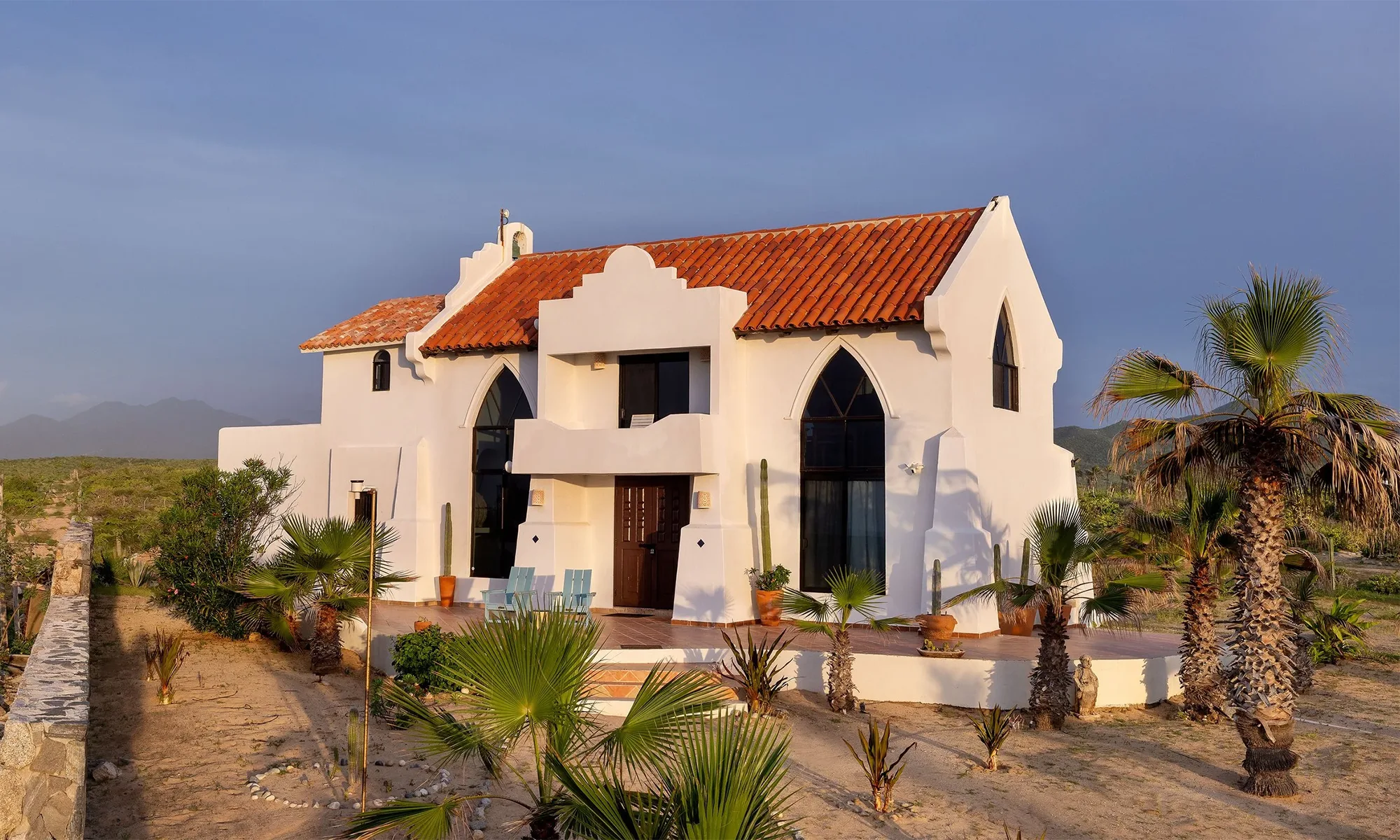
For foreign buyers, ejido history is only part of the equation. When ejido land is first privatized, the initial buyer must be a Mexican national. Once the property has been legally titled and sold for the first time, subsequent owners may be foreign. Coastal property in Mexico also falls within the restricted zone, which means ownership is held through a fideicomiso, or bank trust. Despite common misconceptions, this is not a lease. The bank holds title in trust, but the buyer retains full ownership rights, including the ability to sell, build, or pass the property on to heirs. The trust is issued for 50 years and can be renewed.
From Confusion to Clarity
Ejido land remains part of Mexico’s legal and cultural foundation, particularly in Baja California Sur. The system shaped land distribution and protection for decades, and its legacy remains visible today. For buyers, the question is not whether ejido land exists, but whether it has been properly converted, documented, and verified. When those conditions are met, ejido-origin property functions like any other. In Baja real estate, clarity enables informed decisions.