


|
Getting your Trinity Audio player ready...
|
December 12 is the most important religious day in Mexico. Across the country, streets, churches, and neighborhoods fill with processions, music, and collective devotion honoring Our Lady of Guadalupe, the nation’s patroness. In Baja California Sur, and particularly in Los Cabos, the celebration offers visitors a rare opportunity to witness a living tradition that is deeply sacred yet openly communal. Understanding what the day represents and how it unfolds locally helps visitors engage with it respectfully rather than observing it from a distance.
Historical and Cultural Significance
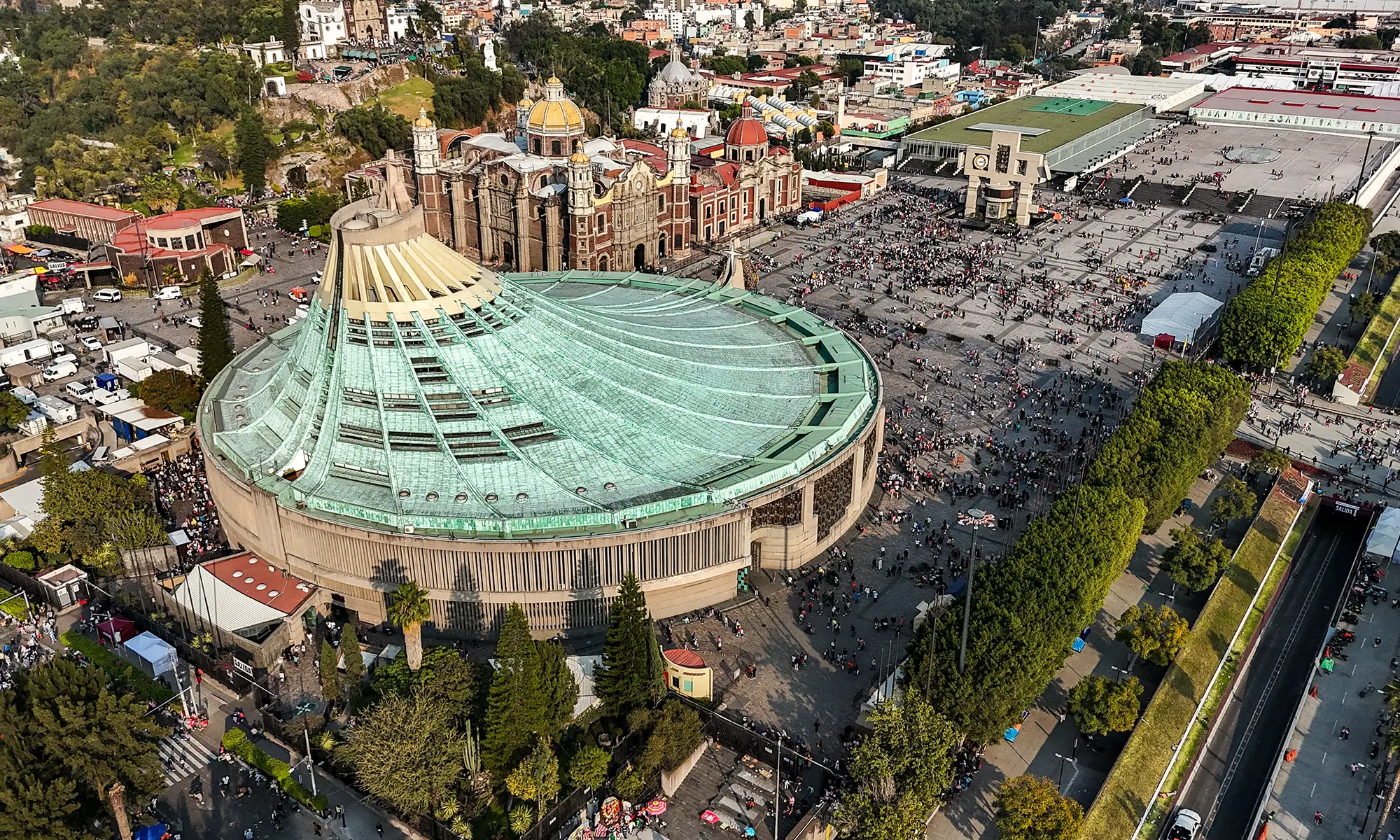
The celebration commemorates the belief that in 1531, the Virgin Mary appeared to an indigenous man, Juan Diego, on Tepeyac Hill near present-day Mexico City. According to tradition, she instructed him to gather roses in his tilma despite the winter season. When Juan Diego presented the roses to the Archbishop, the Virgin’s image was revealed on the fabric.
The event carried profound consequences. Occurring shortly after the Spanish conquest, the Virgin’s appearance as an indigenous woman became a bridge between pre-Hispanic belief systems and Christianity. Over time, Our Lady of Guadalupe emerged as a unifying symbol of faith, identity, and nationhood. Today, she is the patroness of Mexico, and the Basilica of Our Lady of Guadalupe in Mexico City remains one of the most visited pilgrimage sites in the world, drawing millions each year around December 12.
Local Traditions in Los Cabos, Baja California Sur
What to Expect and How to Experience It
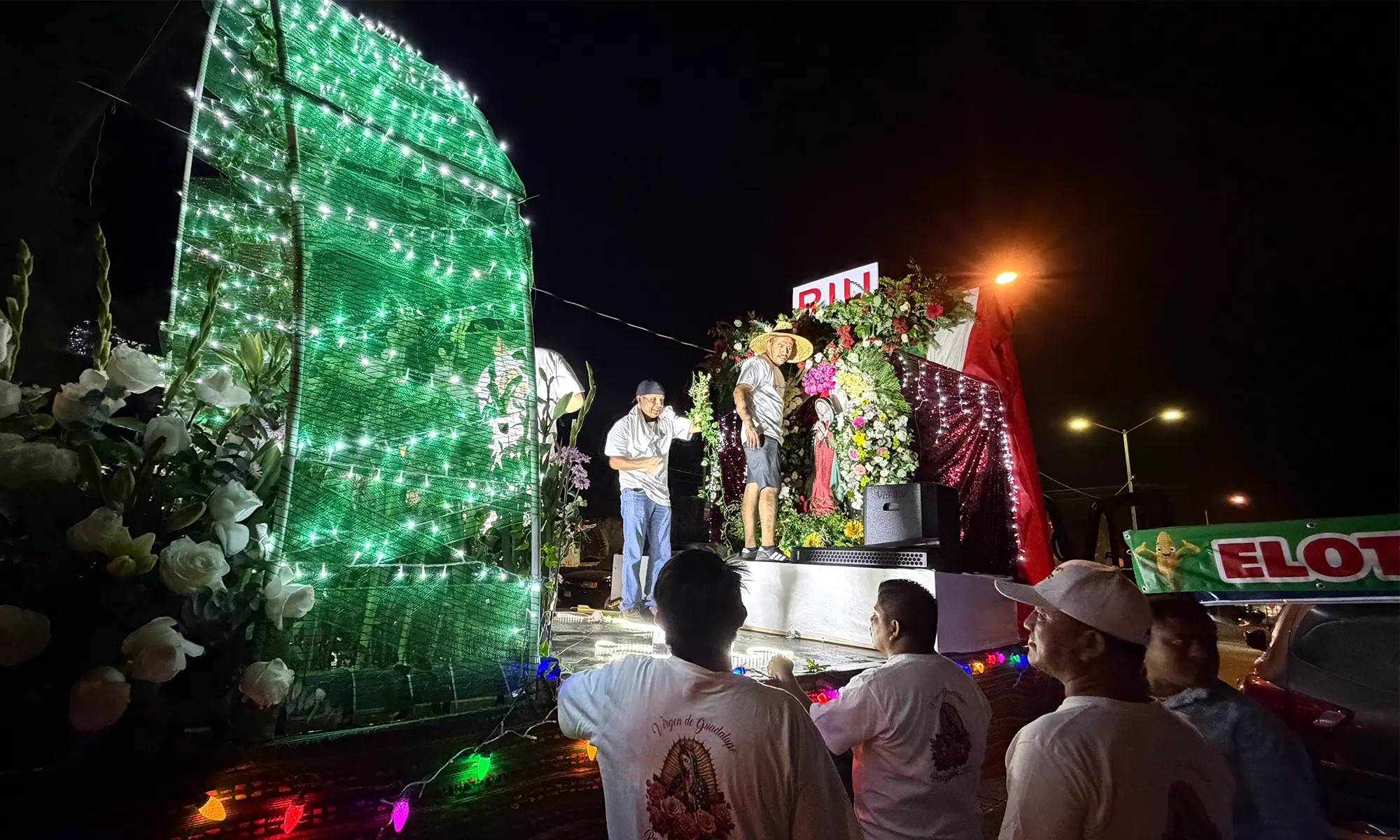
In Los Cabos, the celebration centers on the Sanctuary of Our Lady of Guadalupe in Cabo San Lucas, with additional observances at the San Jose del Cabo Mission. The most visible activity takes place on December 11 and 12, though events often extend through the surrounding weekend.
In the days leading up to December 12, and especially on the 11th, peregrinaciones (pilgrimages) arrive from multiple directions. Groups walk along highways and local roads, sometimes slowing traffic but not causing major disruptions. Unlike Mexico City, where the scale is massive, Los Cabos remains manageable and accessible for visitors.
Late on the night of December 11, many locals gather for Las Mañanitas, a traditional serenade to the Virgin held just before dawn. This is one of the most moving moments of the celebration and is well worth attending if you are comfortable with late-night activity.
On December 12 itself, the area around the sanctuary becomes lively and family-oriented. Outside the church, you will find a festive atmosphere with traditional dances, food vendors, music, and informal gatherings that resemble a neighborhood fair. Inside the sanctuary, the tone shifts. The environment is more solemn, structured, and explicitly religious, with masses held throughout the day.
Visitors are welcome to attend and participate respectfully. Locals are generally warm, open, and inclusive, even toward those who are not Catholic. The key is awareness. December 12 is the single most sacred day in Mexico’s religious calendar. Modest behavior, patience with crowds, and a respectful attitude toward worshippers go a long way. While the occasion is holy, it is not austere. The celebration reflects a distinctly Mexican blend of devotion and joy, where faith, music, and community coexist naturally.
For travelers in Los Cabos, attending the celebration offers insight into a core element of Mexican cultural life that cannot be replicated outside the country. It is not a performance or reenactment, but a lived tradition that continues to shape collective identity across generations.