

|
Getting your Trinity Audio player ready...
|
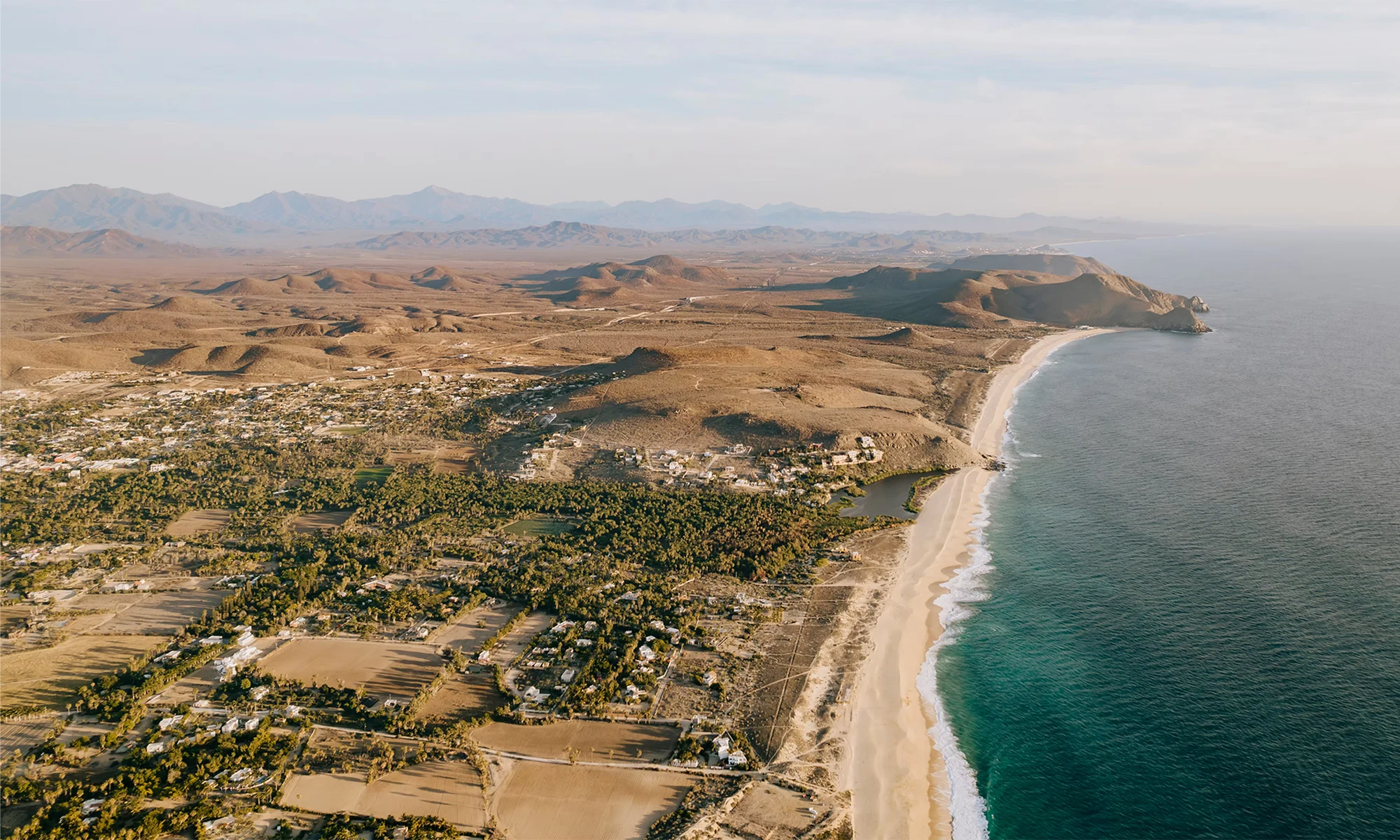
Todos Santos has always resisted easy definition. Small, understated, and deliberately paced, it developed its identity without spectacle or urgency. Generations of local families shaped its rhythms, and over time it drew people from elsewhere — Mexicans and foreigners alike — who arrived intentionally, drawn by a way of life that valued human scale, quiet, and daily continuity.
That balance is now under pressure. Interest has become more focused, capital more present. Todos Santos has entered a phase where growth is no longer hypothetical. The question is not whether the town will change, but whether it can do so without becoming a version of somewhere else.
That question becomes most visible at the scale of individual projects. La Huerta San Sebastián, an upcoming residential enclave of 10 homes priced in the mid-US$2 million range, is one of them. Before plans were drawn, the land it occupies functioned as a working orchard tied to one of the town’s longstanding culinary landmarks. It was productive land with a recent, lived history: part of Todos Santos before it was part of its next chapter.
As the town absorbs higher property prices and wider attention, development stops being neutral. Architecture becomes a decision about identity. What gets built now will shape not just how Todos Santos looks, but how it is lived.
Restraint as a Structural Choice
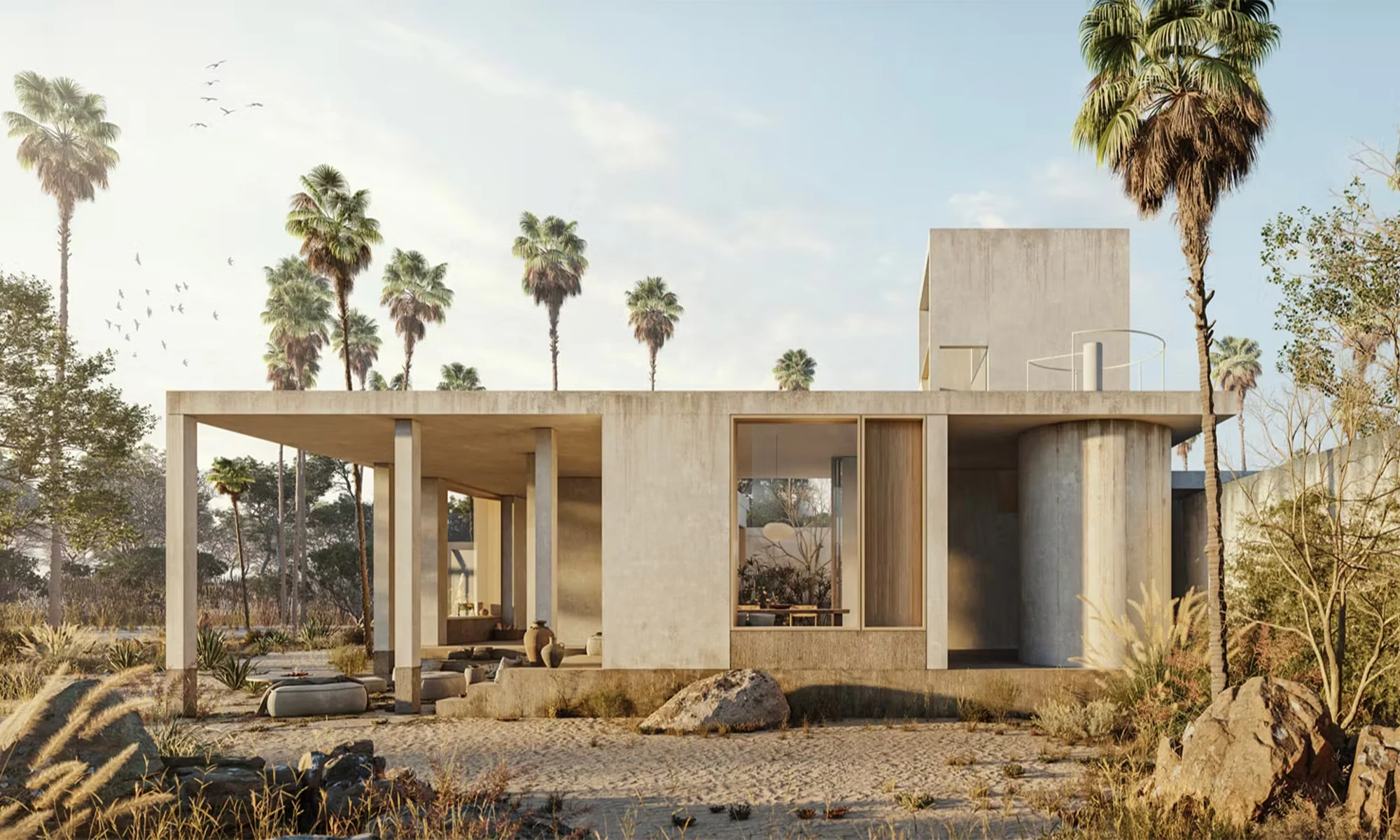
At first glance, La Huerta’s decisions can seem understated. Ten homes on a large parcel. No repeated designs. Five Mexican architects, each responsible for two houses. A development timeline measured in years rather than seasons. Baja California Sur is a market where scale and speed often signal ambition, so these choices stand out because they move in the opposite direction.
They are not aesthetic gestures. They are structural. Limiting the number of homes was less about exclusivity than about preserving the spatial logic that defines Todos Santos. This is a town shaped by distance, between buildings, between neighbors, between moments in the day. Compressing that space would have altered the place’s experience before it altered the skyline.
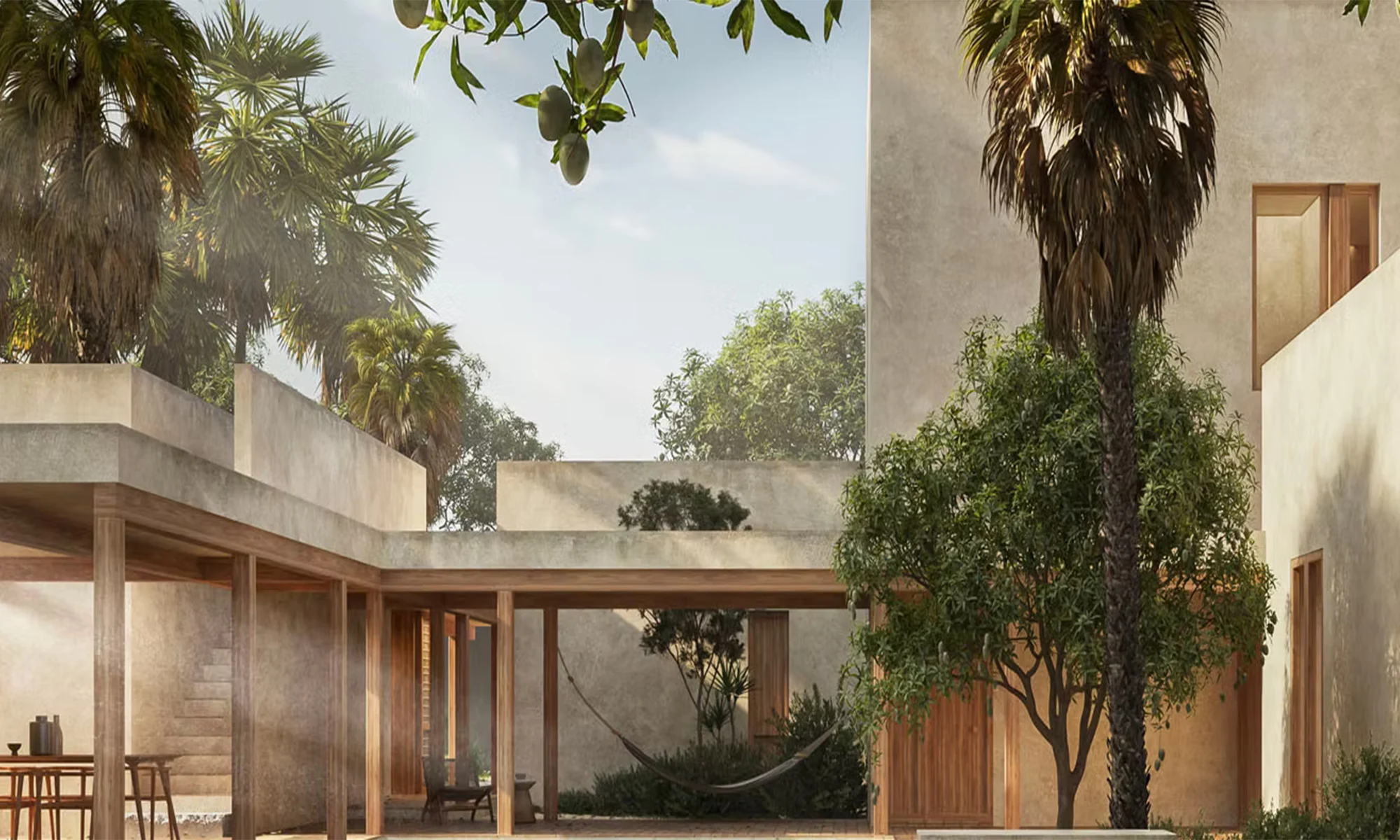
The same thinking guided the architectural approach. Instead of imposing a single style, the project invited multiple voices to work within shared limits: scale, materiality, climate, and rhythm. Each house is distinct, but none is designed to dominate. The result is not a collection of objects, but something closer to a gradual formation; it’s an architecture that feels as if it grew into place rather than arrived fully formed.
What emerges does not resemble a master-planned image. It is more like a careful response to context, treating restraint as a condition for belonging.
A Market That Rewards Patience, Not Speed
At its price point, La Huerta inevitably tests more than demand. Homes above US$2 million remain rare in Todos Santos. Buyers at this level are not browsing casually. Choosing to spend that kind of money in a small, rural town at the end of the Baja peninsula is, by definition, an intentional act.
That intentionality shapes how the market functions. Absorption here, at the high end, is episodic rather than continuous. Buyers do not arrive in waves, and decisions are rarely rushed. People watch, return, compare, and wait. In that context, speed is less a competitive advantage than a misunderstanding of how conviction actually forms.
La Huerta was conceived to operate within that rhythm. The project does not depend on volume or urgency to justify itself. It assumes that the right buyer exists, but may take time to arrive. When alignment happens, timing becomes secondary. In markets like Todos Santos, patience is not an abstract virtue. It is simply how things work.
Toward a New Vernacular, Shaped by Lived Reality
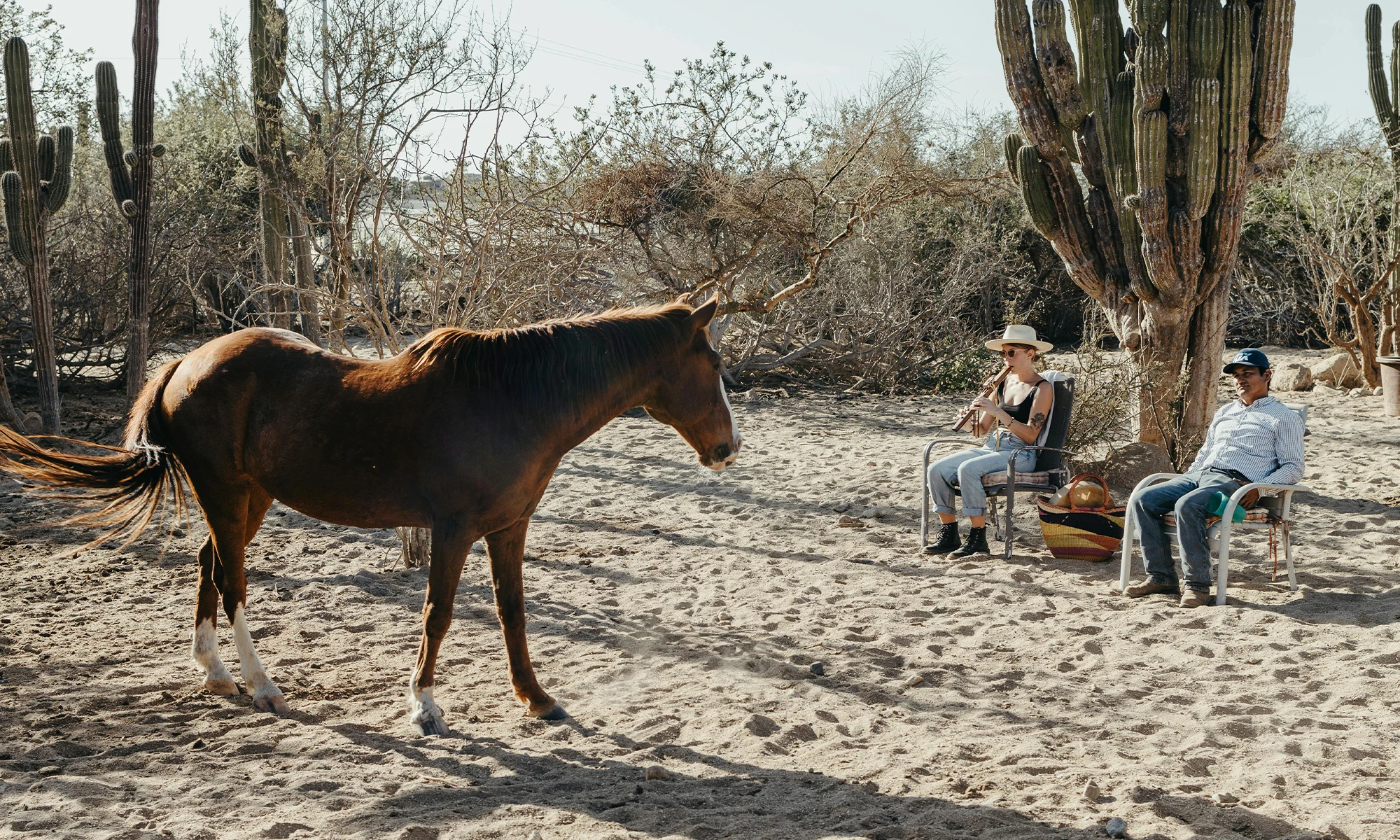
Building in Todos Santos does not mean working without precedent. Long before contemporary projects arrived, local families developed ways of inhabiting the land shaped by climate, labor, and necessity. Thick walls, shaded patios, courtyards, and incremental construction were practical responses to heat, wind, and daily life. Baja’s vernacular exists less as a fixed image than as a way of living.
What projects like La Huerta are negotiating is the emergence of a new vernacular. As Todos Santos changes, so does the way people inhabit it. Architecture becomes an attempt to give form to that present reality, and to express how people who love the town choose to live there now, under different conditions, with different resources, but with the same attention to rhythm, space, and restraint.
Seen this way, La Huerta is not trying to replicate the past or overwrite it. It is testing whether contemporary architecture can speak the same language as the town itself. With multiple architects working within shared constraints, the project allows variation without rupture. The houses are different, but they are shaped by the same question: how to belong to Todos Santos as it exists today.
What Is at Stake as Todos Santos Moves Forward
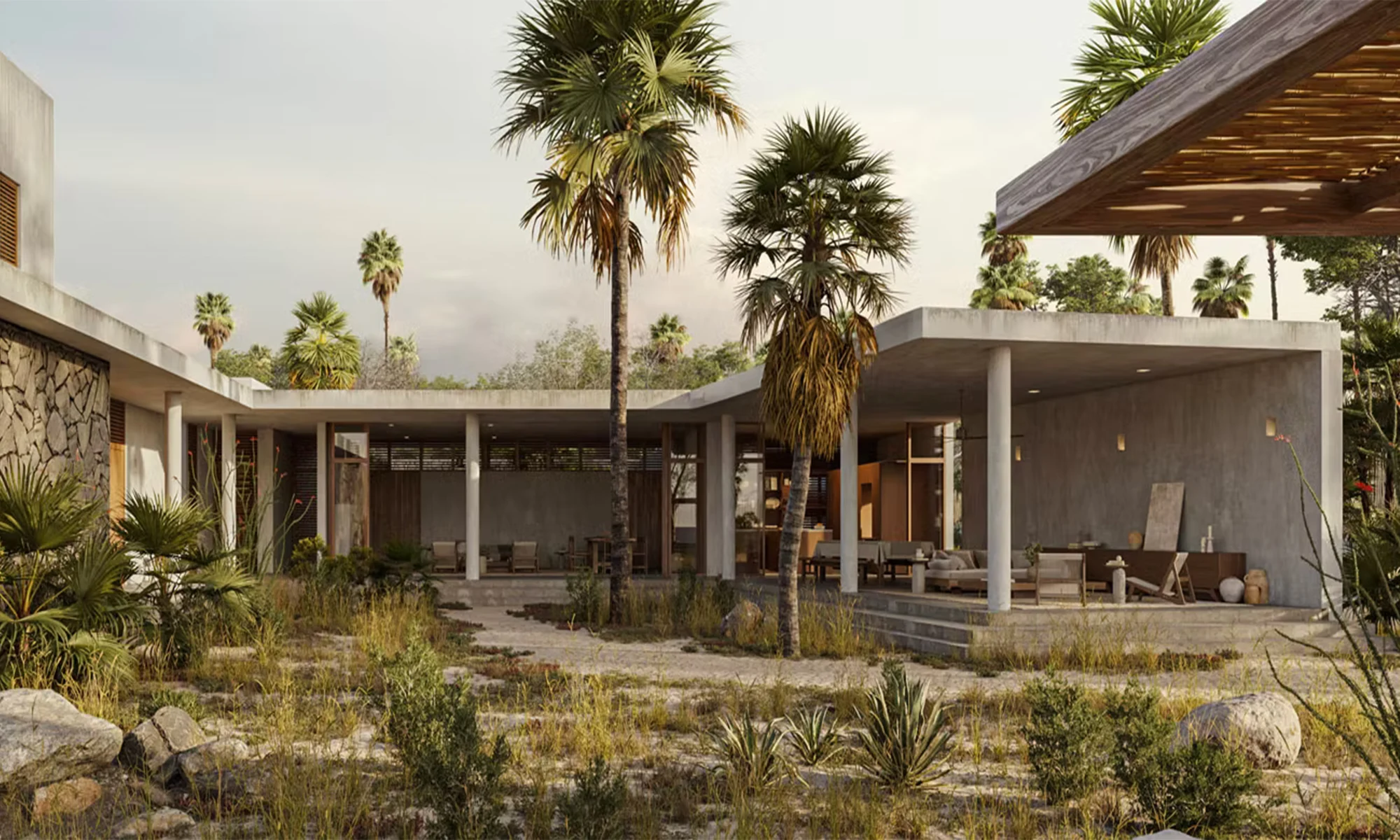
What La Huerta ultimately makes visible is the scale at which Todos Santos is now being shaped. The town is still small enough that restraint registers. Still intimate enough that patience can be felt. Still early enough that architecture goes beyond just filling land and instead signals intent.
The real risk is not growth itself, but drift: the slow accumulation of decisions that optimize for convenience, speed, or outside expectation rather than the way life here actually unfolds. Once that happens, the character of a place starts to thin out irreversibly.
Seen this way, La Huerta suggests that development at the highest end of the market can still move deliberately, respond to lived patterns, and accept time as part of the process. Whether that approach endures will depend not only on this project, but also on whether future decisions continue to treat architecture as an expression of how Todos Santos is actually lived by the people who love it.