

|
Getting your Trinity Audio player ready...
|
The start of the 2026 spring travel season has brought a complex security landscape to the forefront of the conversation regarding Mexico. Recent high-profile federal operations on the mainland have shifted the narrative for international travelers, prompting a closer look at how these events impact the country’s most popular destinations. While headlines from late February detailed a “Code Red” in states like Jalisco following a military intervention in Tapalpa, the reality on the ground remains highly regional. For those looking toward the southern tip of the Baja peninsula, the situation is one of notable contrast and continued calm.
Understanding the Mainland Context

The situation on the mainland, which briefly saw shelter-in-place orders in cities such as Puerto Vallarta and Guadalajara on February 22, has largely stabilized. According to the U.S. Embassy and Consulates in Mexico, these emergency alerts were lifted by February 24, signaling a return to operational normalcy for major airports and transit hubs.
While these events naturally raise questions for travelers, the risk is geographically contained. The country’s most established resort corridors continue to function under proactive security monitoring, with officials emphasizing that the recent instability was a reactive, localized response to specific federal actions rather than a systemic shift in tourist safety.
The Los Cabos Distinction

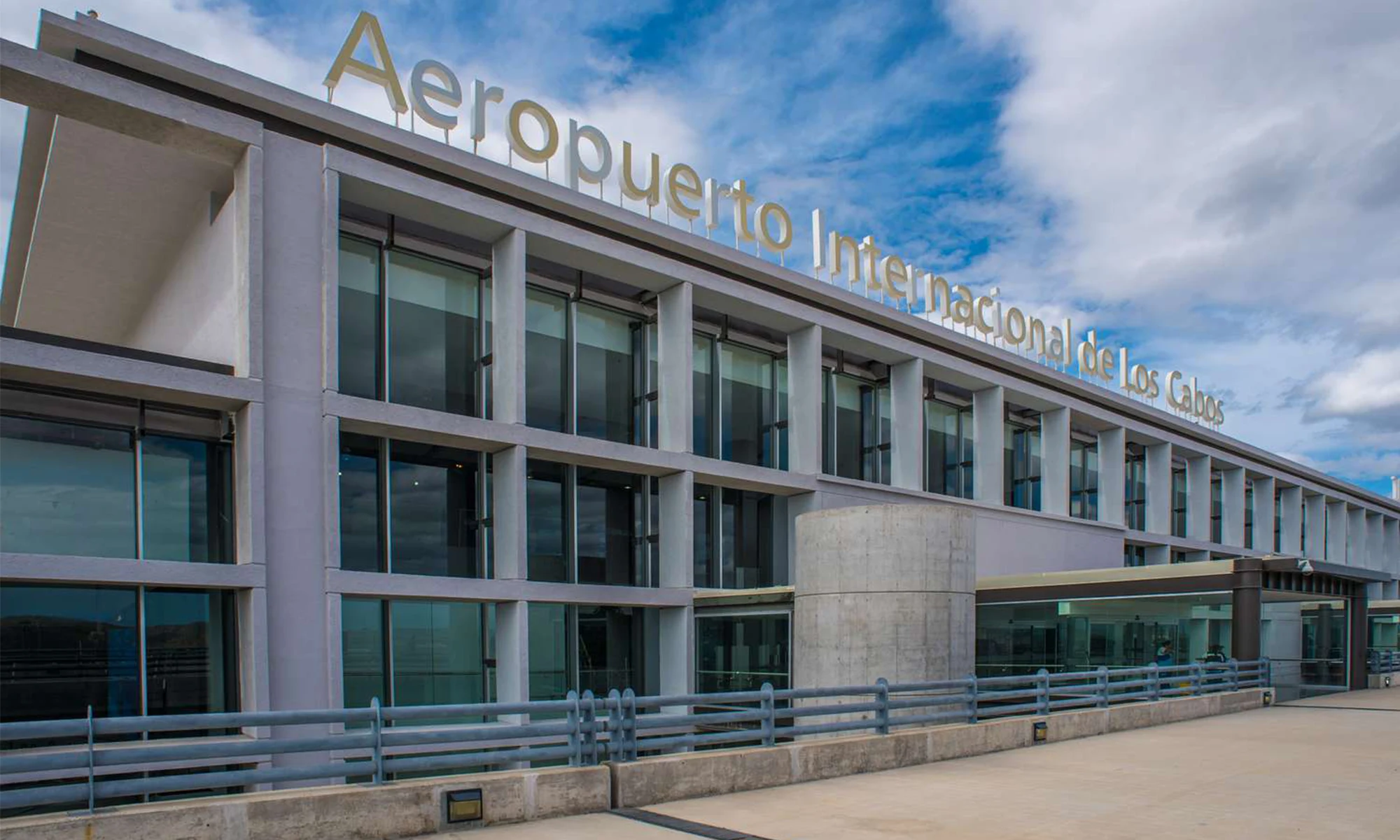
Los Cabos remains a distinct outlier from the tensions seen across the Sea of Cortez. The region stayed entirely calm throughout the peak of the mainland’s activity. The only tangible connection to the unrest was a handful of diverted flights that sought the safety of Los Cabos International Airport when other regional hubs faced brief closures.
This geographic isolation acts as a natural buffer. Situated at the end of a thousand-mile peninsula, Los Cabos is physically distanced from the territorial dynamics of the interior. This “island effect” allows the municipality to maintain a stable environment even when other states face logistical or security challenges.
Official Advisories and Operational Status
Current official data supports this sense of stability. The U.S. State Department maintains a Level 2: Exercise Increased Caution advisory for Baja California Sur. This classification is shared by many popular global destinations and carries no travel restrictions for government employees visiting the tourist zones of Cabo San Lucas and San José del Cabo. It stands in sharp contrast to the “Do Not Travel” warnings issued for mainland states like Sinaloa.
Local infrastructure in the Los Cabos corridor is operating without interruption. Key facts regarding the current status include:
Airport Operations: Los Cabos International (SJD) is fully operational with no reported delays related to security.
Security Framework: The Los Cabos Tourism Board and federal authorities have maintained a coordinated security presence that remains visible yet non-intrusive.
Travel Guidance: Experts recommend standard practices, such as using toll roads and authorized transportation, which remain the norm for the region.