

|
Getting your Trinity Audio player ready...
|
By Dr. Kirk Sanford, Founder & CEO, Longevity Medical Institute
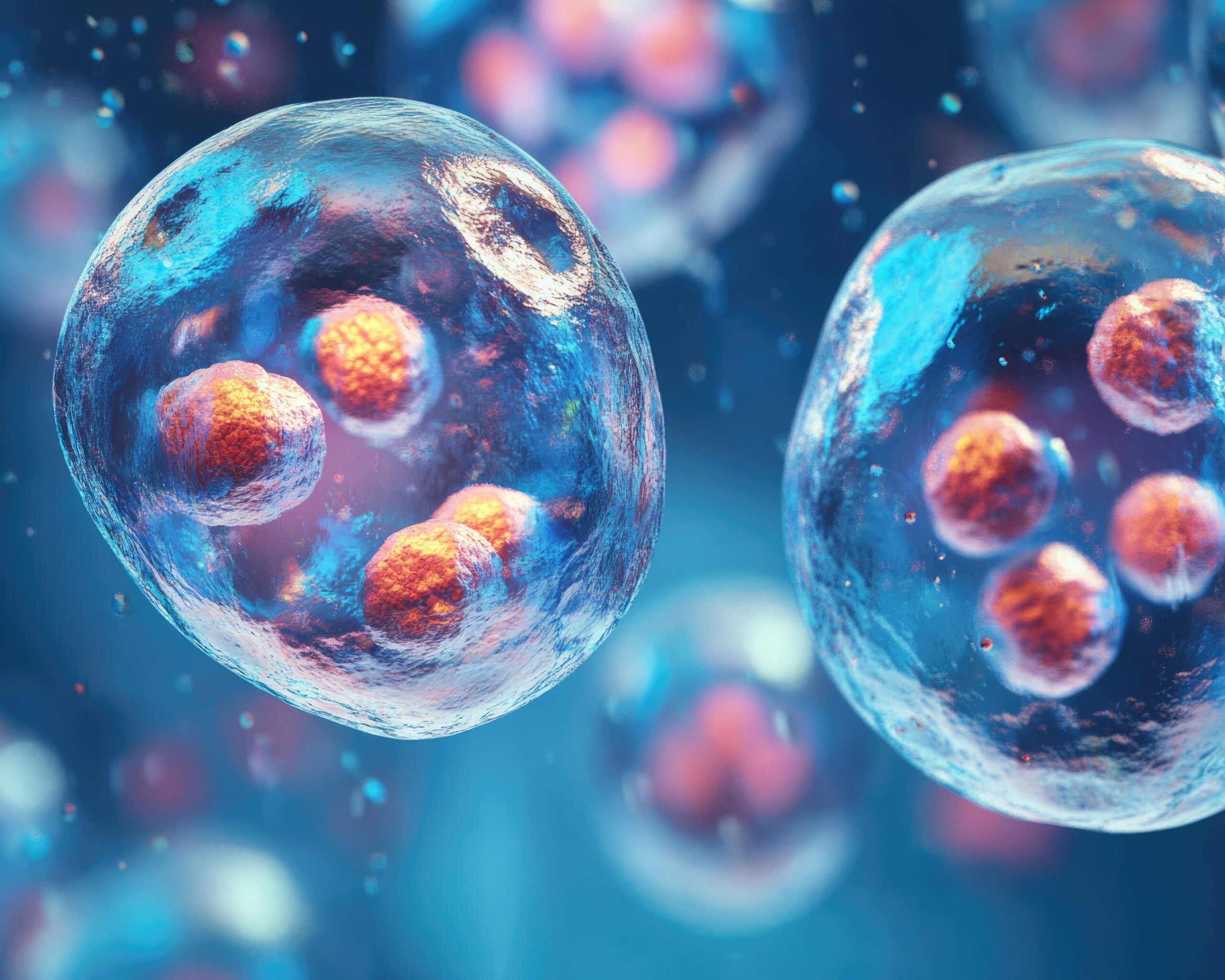
Many patients begin exploring regenerative medicine for a straightforward reason. They are looking for a safe, effective way to reduce pain, restore function, and improve long-term health and vitality without being forced into a lifetime of prescriptions or surgery.
But regenerative medicine, when practiced correctly, has very little to do with hype.
This article is not about biohacks or influencer medicine. It is about “medical longevity” and why regenerative medicine should be understood as a serious, physician-led medical discipline. When done properly, it can help address the underlying drivers of pain, inflammation, and decline rather than simply managing symptoms.
Why Regenerative Medicine Matters

Most chronic conditions do not appear suddenly. They develop quietly over the years, driven by inflammation, metabolic dysfunction, vascular changes, immune imbalance, and tissue degeneration. As senescent (“aging”) cells accumulate, they stop functioning normally, resist healthy turnover, and can release inflammatory signals that disrupt surrounding tissue, accelerating breakdown across multiple systems. Pain, stiffness, fatigue, and loss of function are often early warning signs, not isolated problems.
Regenerative medicine matters because it shifts the focus upstream. Instead of waiting for the disease to declare itself, it aims to reduce the inflammatory burden, support tissue repair, and restore biological balance while change is still possible.
Inflammation: The Common Thread
Inflammation is not just swelling or pain. It is a biological process that, when chronic, contributes to nearly every major category of age-related disease. Joint degeneration, cardiovascular disease, insulin resistance, autoimmune conditions, cognitive decline, and accelerated aging all share inflammatory pathways.
Reducing inflammation is often the key to reducing pain, improving mobility, restoring energy, and slowing decline. But inflammation does not exist in isolation. Its causes differ from person to person, which is why regenerative medicine cannot be practiced responsibly without proper evaluation.
Why Diagnostics Come First
One of the biggest mistakes patients make is assuming that regenerative medicine begins with a treatment. In reality, it should begin with information.
Advanced diagnostics allow physicians to identify risk patterns, sources of inflammation, metabolic dysfunction, vascular changes, hormonal imbalance, and tissue degeneration before they become irreversible.
At Longevity Medical Institute, care begins with a structured diagnostic foundation that can include comprehensive laboratory testing, full-body MRI imaging, and focused cardiovascular evaluation. For heart and vascular risk, this may include tools such as CADScor, an ECG, and echocardiography. We also use the InBody 970 for advanced body composition analysis, including metrics that help assess metabolic health, lean mass, fat distribution, hydration status, and biological patterns that often correlate with accelerated aging. When warranted, targeted imaging, such as ultrasound or X-rays, helps clarify joint integrity, soft-tissue injury, and structural contributors to pain or mobility loss.
At Longevity Medical Institute, regenerative medicine is never approached as a standalone procedure. It is integrated into a broader medical strategy that starts with understanding the patient’s biology, not just their symptoms.
Regenerative Medicine Is More Than Stem Cells

Photo by Longevity Medical Institute
Stem cell therapy has become one of the most visible aspects of regenerative medicine, but it is only one tool. When used appropriately, regenerative therapies such as mesenchymal stem cells can help modulate inflammation, support tissue repair, and improve recovery. However, they are not a substitute for proper medical evaluation.
For some patients, the primary issue is structural. For others, it is systemic inflammation, metabolic dysfunction, or vascular risk. In many cases, addressing those factors first determines whether regenerative therapy will be effective at all.
Why Safety and Oversight Matter
Regenerative medicine is medical care. It involves biologic therapies, injections, infusions, and protocols that require proper licensing, physician oversight, and quality standards.
In Mexico, legitimate regenerative medicine is regulated by COFEPRIS, the federal health authority responsible for medical clinics and biologic therapies. Patients should ensure that any clinic they consider operates under proper federal authorization and medical oversight.
When Regenerative Medicine Is Done Right
Regenerative medicine should matter to patients because it represents a shift in how we think about health. It looks earlier, focuses on causes rather than symptoms, and emphasizes long-term function over short-term relief.
But not all regenerative medicine is the same.
True medical longevity requires diagnostics, physician leadership, clinical structure, and long-term thinking. When care is built on that foundation, regenerative medicine becomes not a trend, but a meaningful path forward.
Learn more: www.longevity-institute.com