A Cultural Route Through Baja California Sur

Destino-Los-Cabos-magazine_blog_A Cultural Route Through Baja California Sur 01
Photo by Museum of Art of Baja California Sur
Getting your Trinity Audio player ready...

Moving through Baja California Sur feels less like visiting a single destination and more like traveling across chapters of a shared history. The cultural scene changes gradually from remote heritage sites to active art districts and urban museums, revealing how the region continues to reinterpret its past while shaping its present.

Mulege and North-Central Baja Sur

Destino-Los-Cabos-magazine_blog_A Cultural Route Through Baja California Sur 02
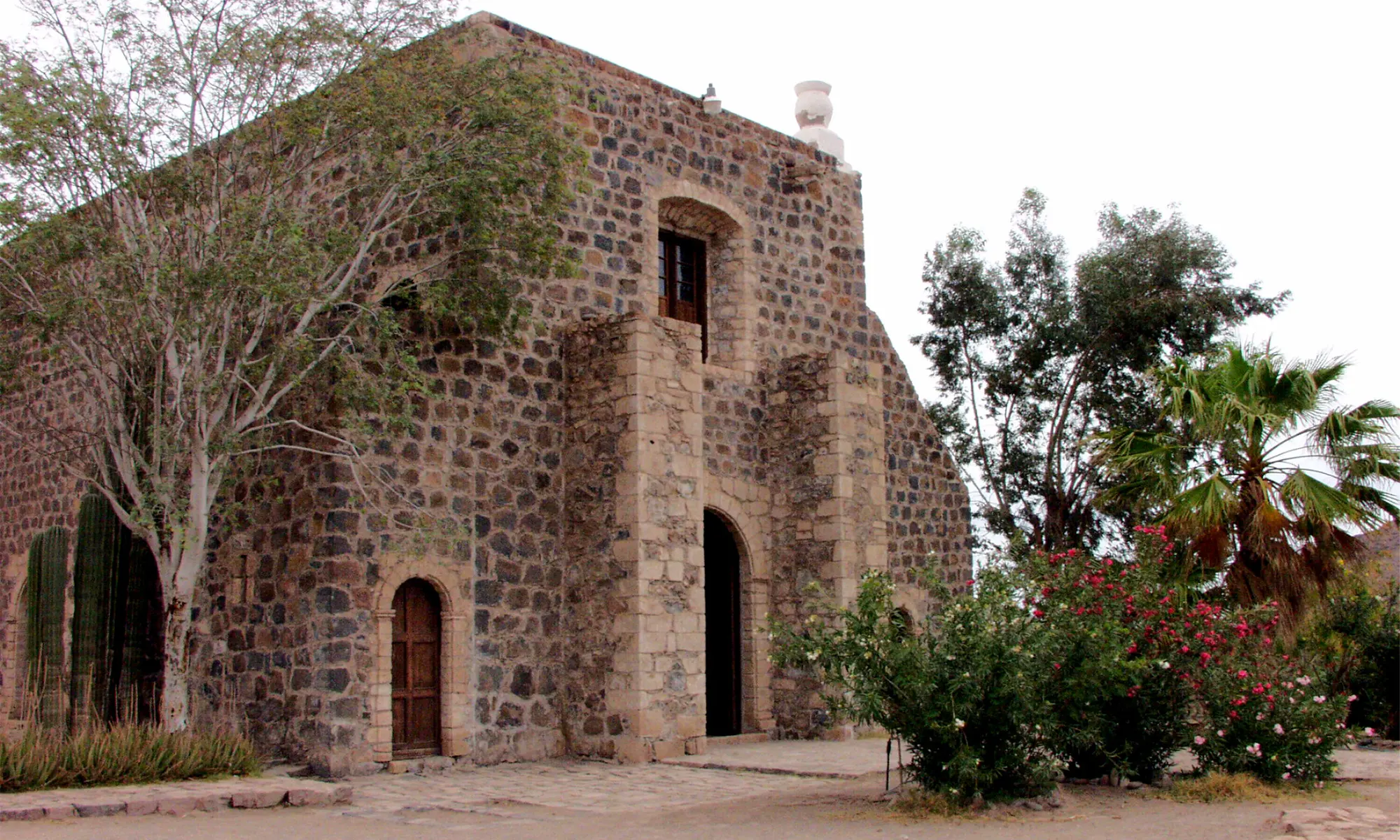
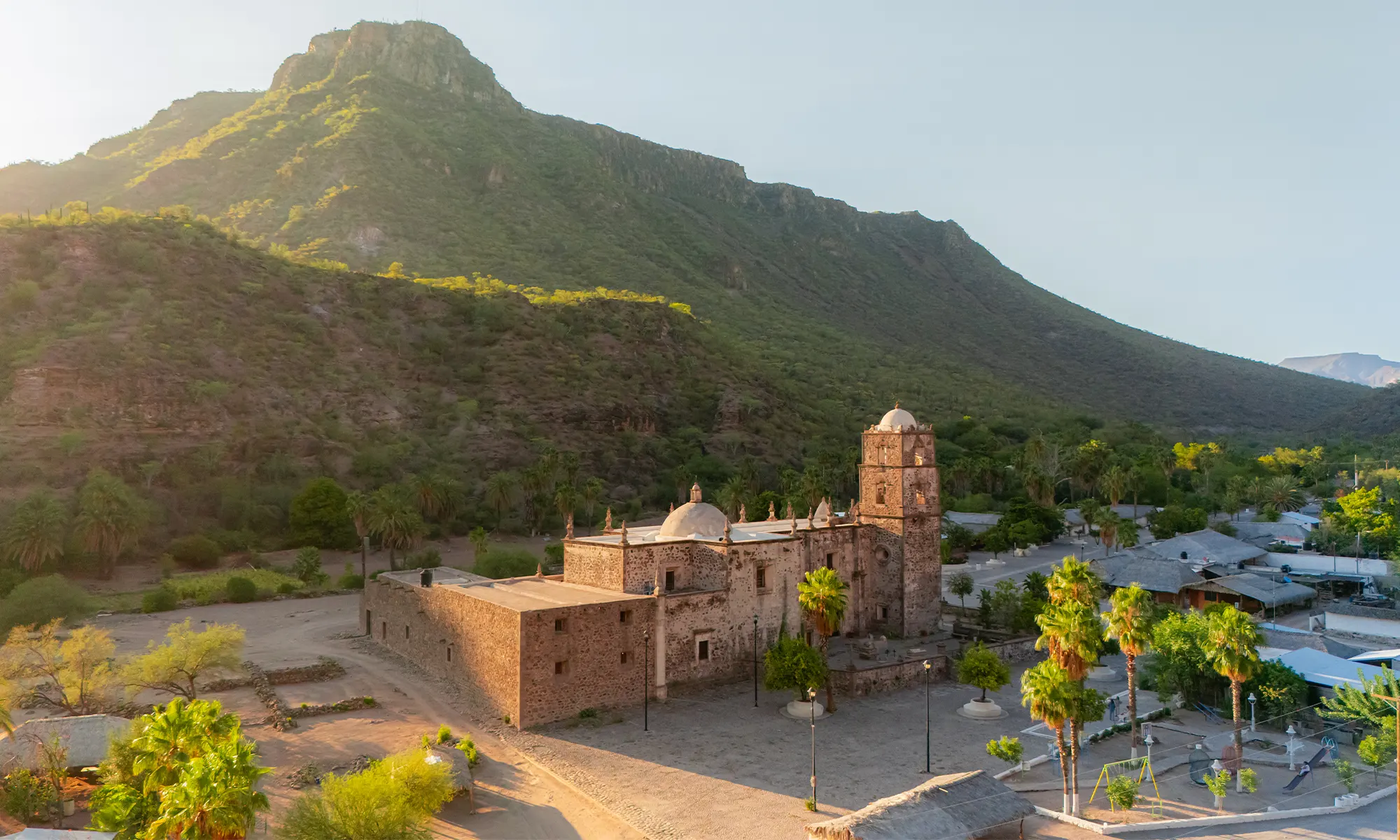
Mission Santa Rosalia

Life in Mulege developed around water, agriculture, and distance. The river oasis created one of the peninsula’s most stable early settlements, and that relationship with the landscape still defines the town’s cultural character. History here feels tied to survival, adaptation, and the deep timelines of the desert.

The hilltop Mission Santa Rosalia de Mulege reflects the strategic logic of early mission settlements, positioned above the palm groves that sustained the community. The church remains a daily presence in town life, linking contemporary Mulege to its agricultural past.

Far beyond the oasis, the Sierra de San Francisco cave paintings reveal a much older human presence. Access requires planning and certified guides, reinforcing the sense of remoteness that shaped the region for centuries. The monumental paintings depict animals, rituals, and human figures at a scale that suggests ceremonial importance and long-standing cultural traditions.

Loreto

Destino-Los-Cabos-magazine_blog_A Cultural Route Through Baja California Sur 03

Loreto developed as the starting point of the Spanish presence in the Californias, and its cultural life still revolves around that origin. The historic center remains compact and organized around the mission plaza, allowing the colonial narrative to remain visible and accessible.

The Mission of Our Lady of Loreto anchors the town both historically and physically. Religious services continue today, while the adjacent museum provides context through maps, artifacts, and religious art from the Jesuit, Franciscan, and Dominican periods.

The road to Mission San Francisco Javier introduces the mountain landscape that shaped the mission system’s expansion. The preserved stone church, olive groves, and isolated setting offer a rare view of how these communities functioned in practice, connecting Loreto’s historic center to the broader geography that supported it.

La Paz

Destino-Los-Cabos-magazine_blog_A Cultural Route Through Baja California Sur 04
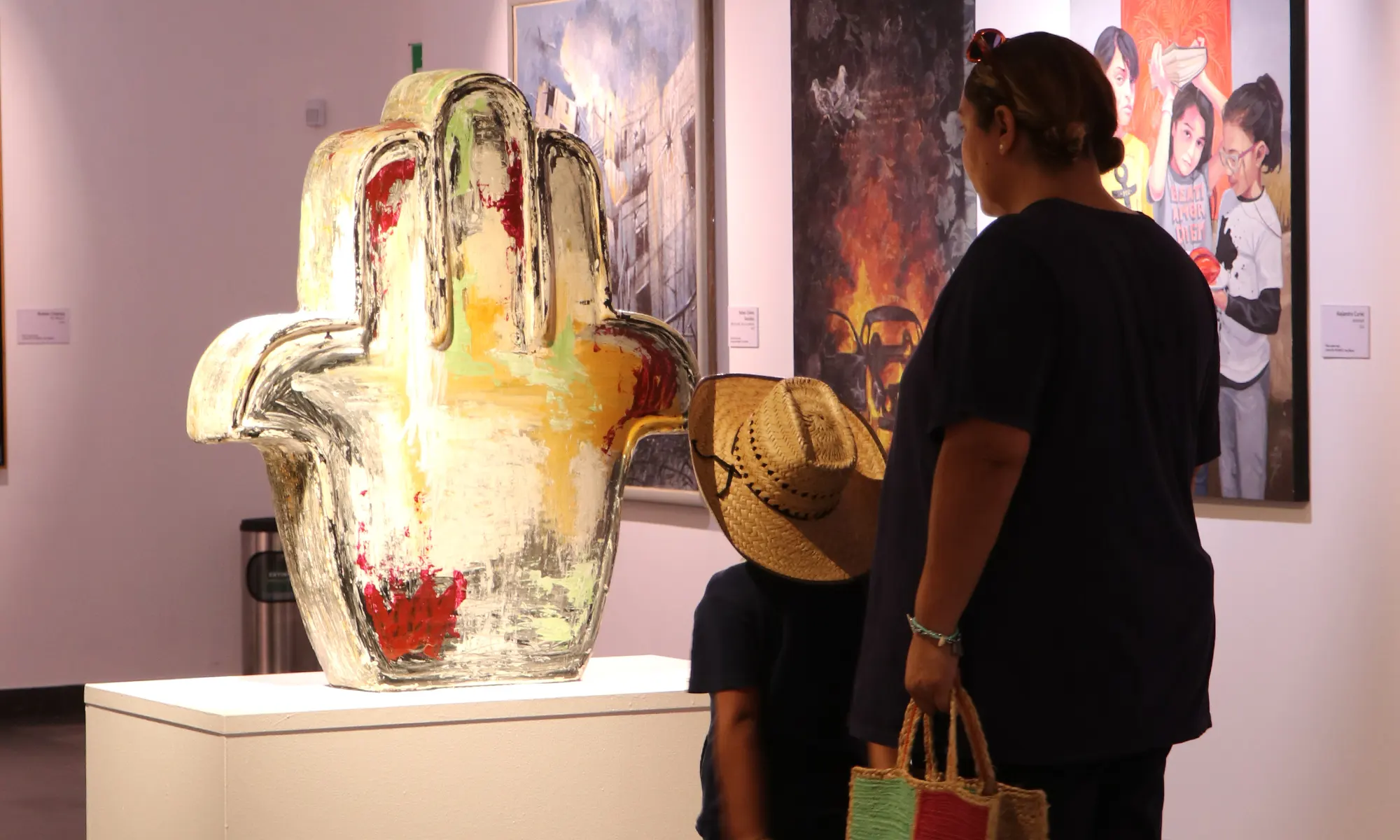
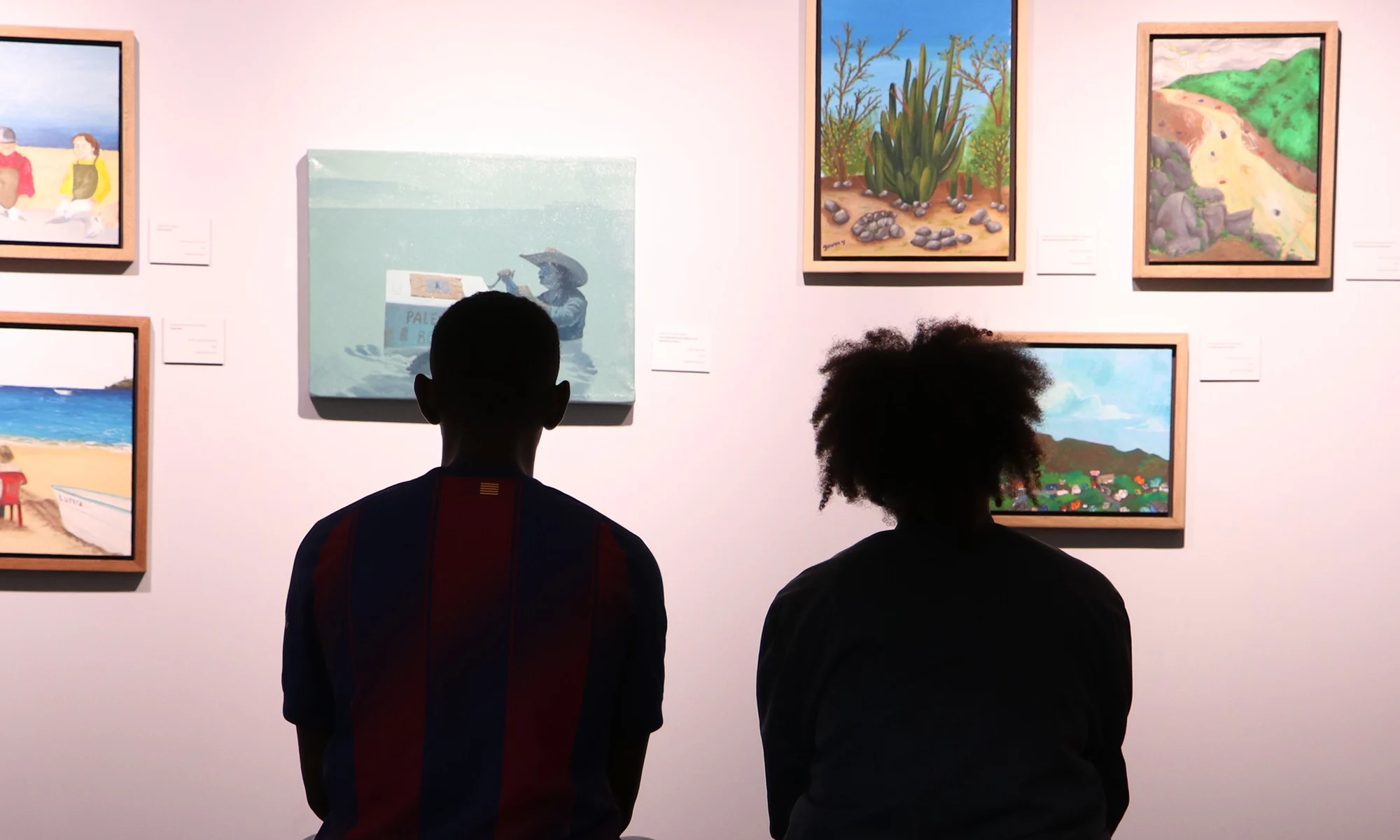
Photo by Museum of Art of Baja California Sur

As the state capital, La Paz reflects a broader cultural scope shaped by education, government institutions, and marine research. Its museums present the peninsula as a whole rather than focusing on a single historical chapter.

The Regional Museum of Anthropology and History presents a chronological narrative that moves from prehistoric fossils to the Mexican Revolution. Nearby, the Museum of Art of Baja California Sur adds a contemporary perspective through rotating exhibitions by regional and international artists.

The Museo de la Ballena introduces the scientific dimension of La Paz’s identity. Exhibits on migration routes and marine conservation reflect the city’s relationship with the Gulf of California and its role as a center for research and environmental awareness.

El Triunfo

Destino-Los-Cabos-magazine_blog_A Cultural Route Through Baja California Sur 05
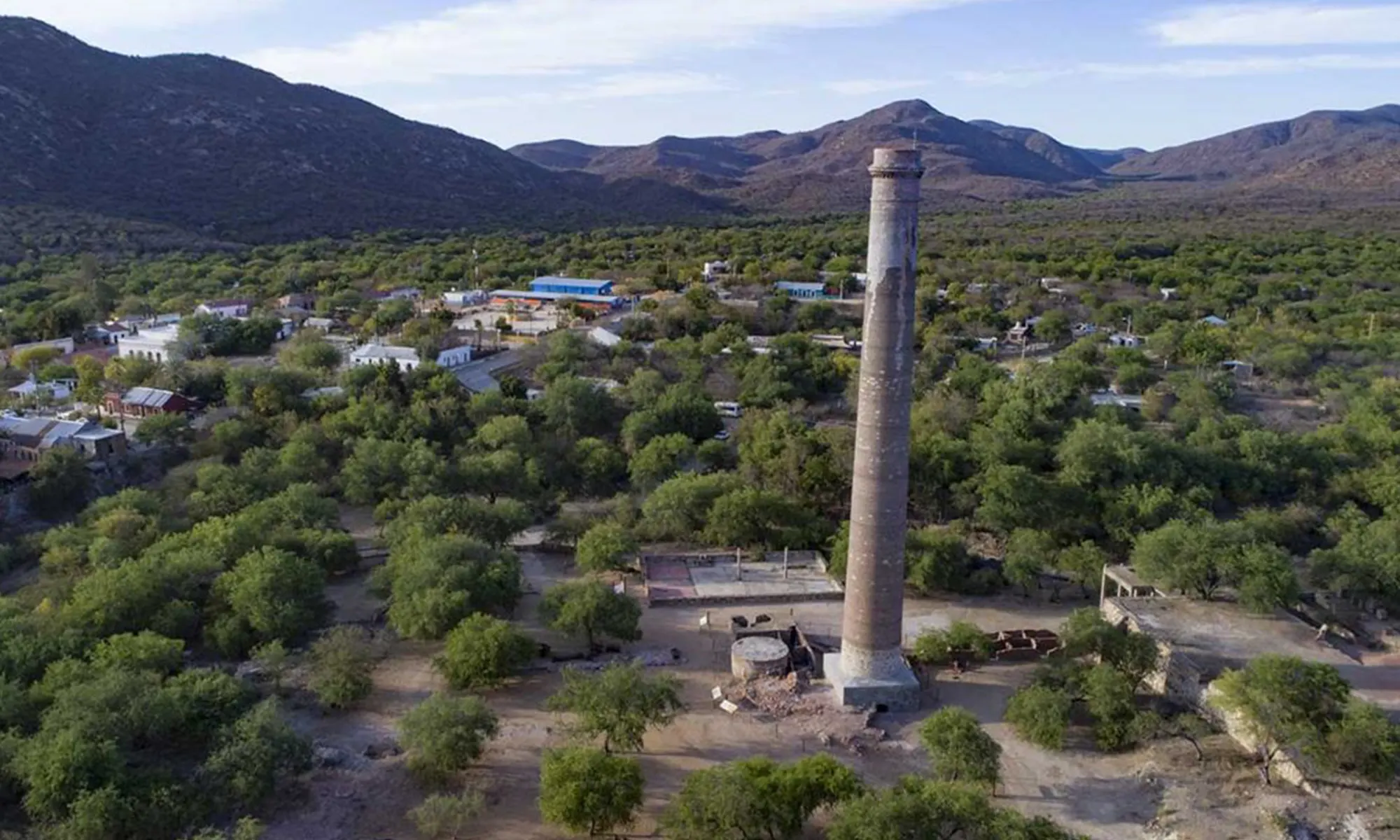
Photo by Go La Paz

El Triunfo grew rapidly during the 19th-century mining boom, creating a town shaped by industry, migration, and unexpected cultural refinement. Today, restoration efforts focus on preserving the visible remains of that period while interpreting its social history.

The Ruta de Plata museum and the La Ramona chimney illustrate the scale of mining operations that once made the town the peninsula’s largest settlement. These industrial landmarks provide context for the town’s rapid rise and eventual decline.

The Music Museum reveals a lesser-known chapter of El Triunfo’s past. Imported pianos, sheet music, and archival photographs document a period when mining wealth supported an active social and cultural life far removed from the town’s desert surroundings.

Todos Santos, Pescadero, and Cerritos

Destino-Los-Cabos-magazine_blog_A Cultural Route Through Baja California Sur 08
The Mission of Our Lady of Pilar, Todos Santos. Photo by Visit Mexico

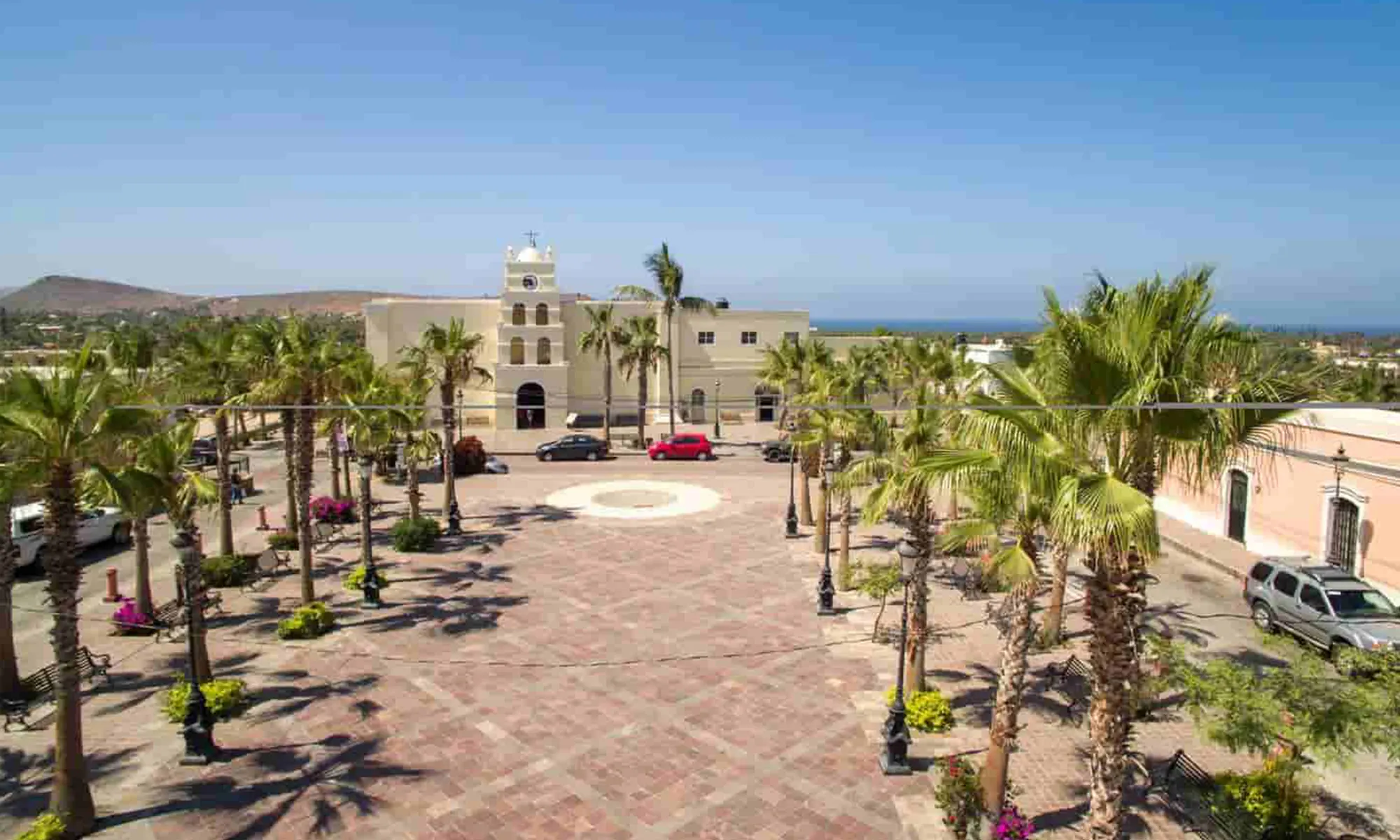
This region’s cultural identity developed through agriculture and later artistic migration. Over time, restored historic buildings and small-scale galleries transformed the town into one of the peninsula’s most recognizable creative communities, where everyday life and artistic production overlap.

The Mission of Our Lady of Pilar anchors the main plaza in Todos Santos, which serves as the primary gathering space for festivals, concerts, and civic events. Surrounding streets form an Art District shaped by decades of resident artists working in painting, photography, sculpture, and mixed media.

A few blocks away, the Manuel Marquez de Leon Theater provides a formal venue for film screenings, lectures, concerts, and the Todos Santos International Film Festival, reinforcing the town’s role as a consistent cultural hub.

San Jose del Cabo

Destino-Los-Cabos-magazine_blog_A Cultural Route Through Baja California Sur 06
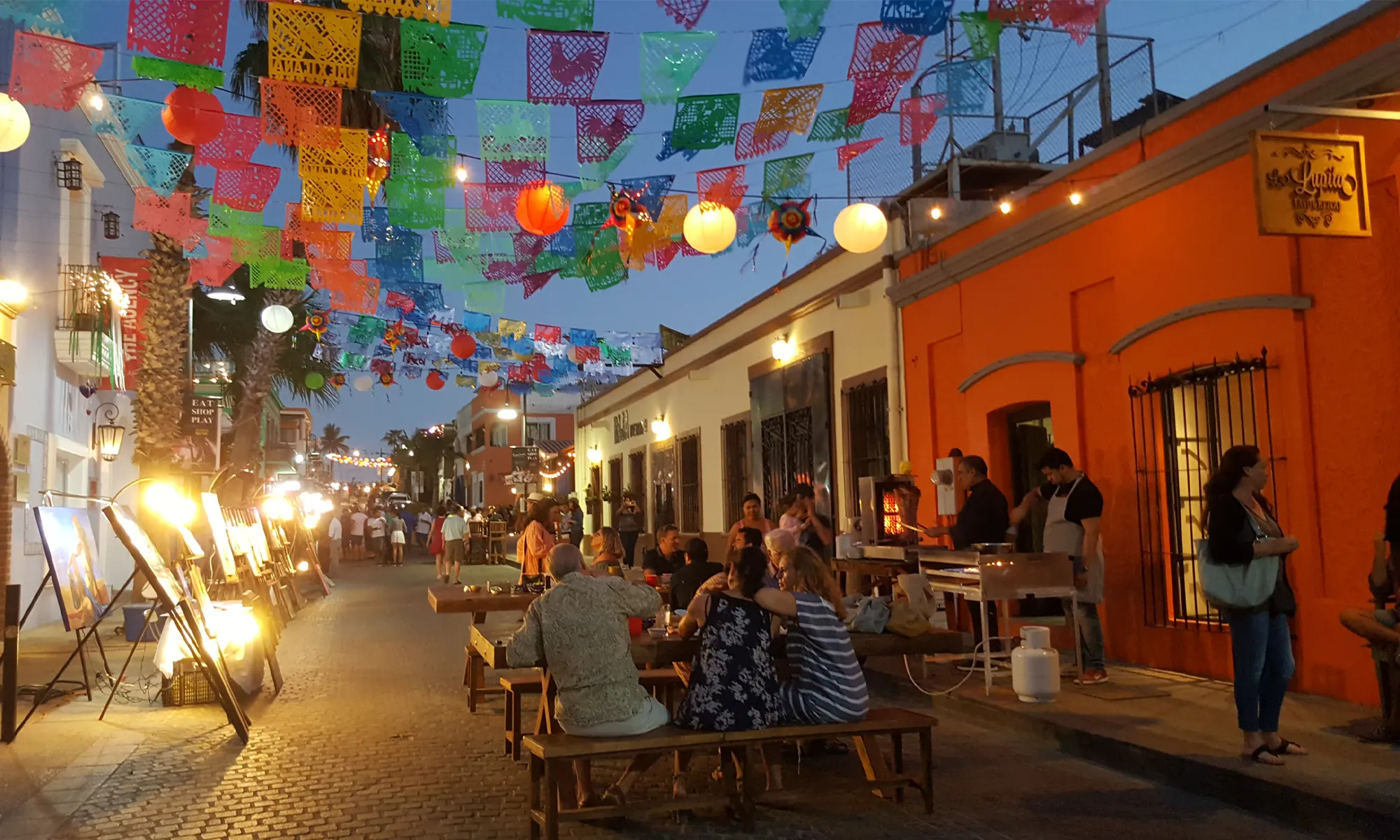
San Jose del Cabo Art Walk. Photo by Vist Los Cabos

San Jose del Cabo developed as a mission settlement that later evolved into a structured gallery district. The historic center remains compact and walkable, allowing colonial architecture and contemporary cultural activity to exist within the same urban layout.

The Mission San Jose del Cabo Anuiti anchors the town’s historic core and reflects the rebuilding that followed the Pericu rebellion. Today, the surrounding streets host galleries, studios, and cultural spaces concentrated within the Art District.

The weekly Thursday Art Walk organizes this activity into a recurring event, creating a predictable rhythm that brings together artists, residents, and visitors in the town’s central plaza and nearby streets.

Cabo San Lucas

Destino-Los-Cabos-magazine_blog_A Cultural Route Through Baja California Sur 07
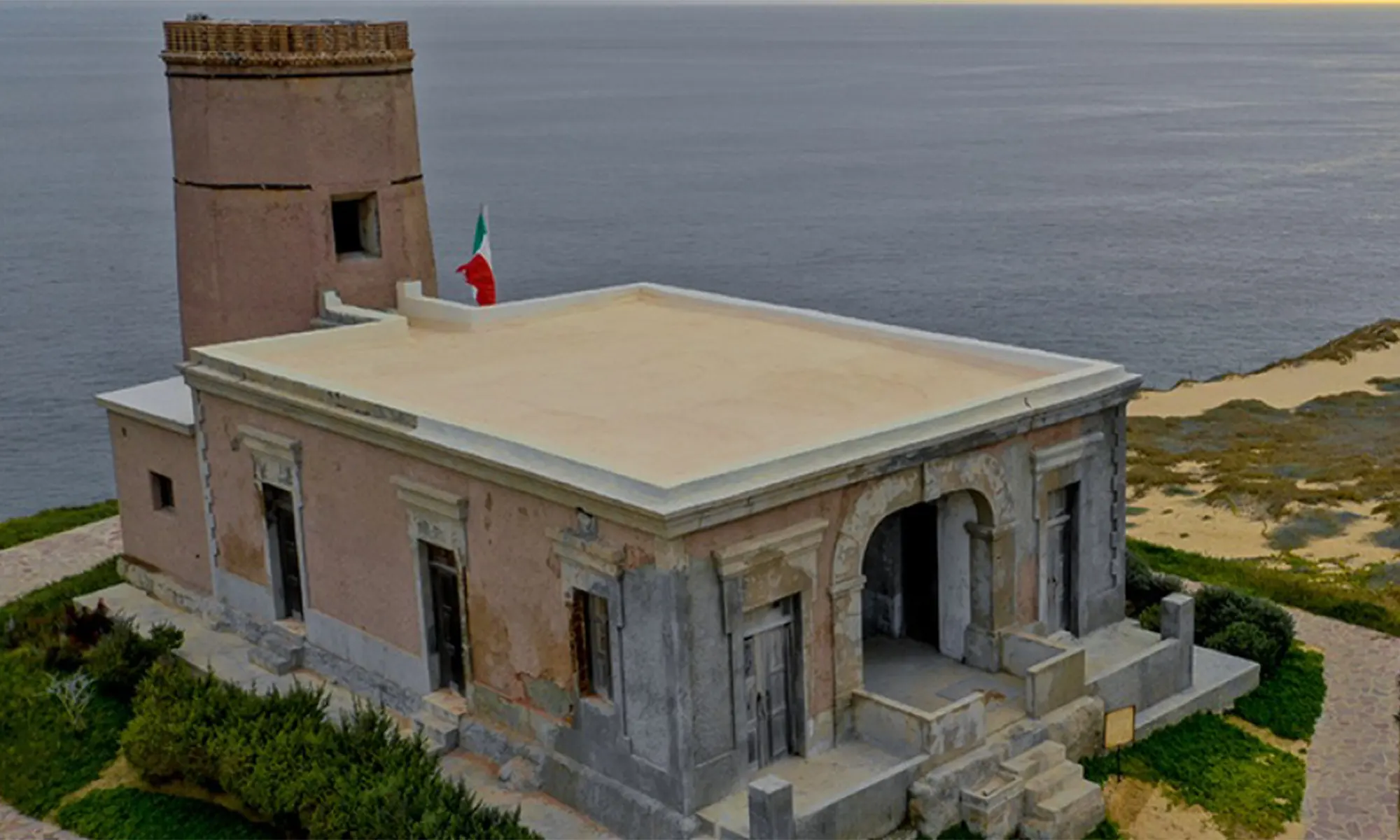
Old Lighthouse, Photho by Quivira Los Cabos

Cabo San Lucas grew from a maritime waypoint into a modern tourism center, and its cultural institutions focus on documenting the region’s earlier environmental and navigational history.

The Natural History Museum presents artifacts, fossils, and exhibits on marine ecosystems that explain how the cape supported early communities and sea routes long before large-scale development.

On the Pacific side, the Old Lighthouse built in 1905 reflects the infrastructure that once guided ships around the southern tip of the peninsula, preserving a visible reminder of the area’s maritime past.