

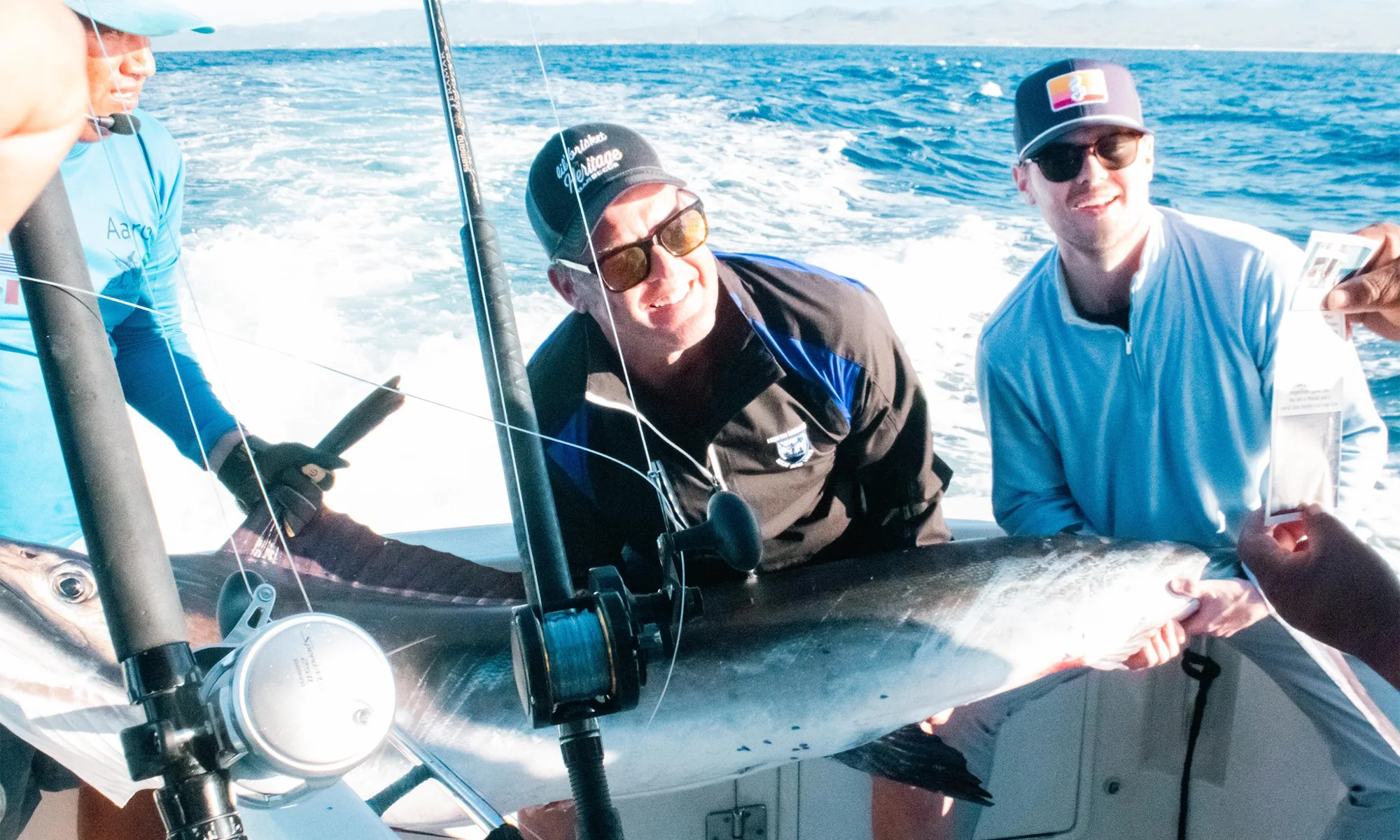
|
Getting your Trinity Audio player ready...
|
In Cabo San Lucas, finding fish is rarely the problem. Deciding what to do next is. The waters off Land’s End are unusually generous, with billfish, tuna, dorado, and wahoo appearing just a few miles from shore on many days, often within sight of land. That kind of access reshapes the day. When productive water is this close and this reliable, the questions shift. Not where to look, but when to stop. Not how much effort to apply, but when restraint matters more than the number of flags your boat flies as it comes back to the marina.
This quiet balancing shapes how operations like Blue Sky Cabo Fishing and Tours move through a day on the water. Less as a chase, more as a sequence of judgments, made repeatedly and unconspicuously, and with consequences that extend beyond any single trip.
Abundance Is Not the Challenge in Cabo Sportfishing
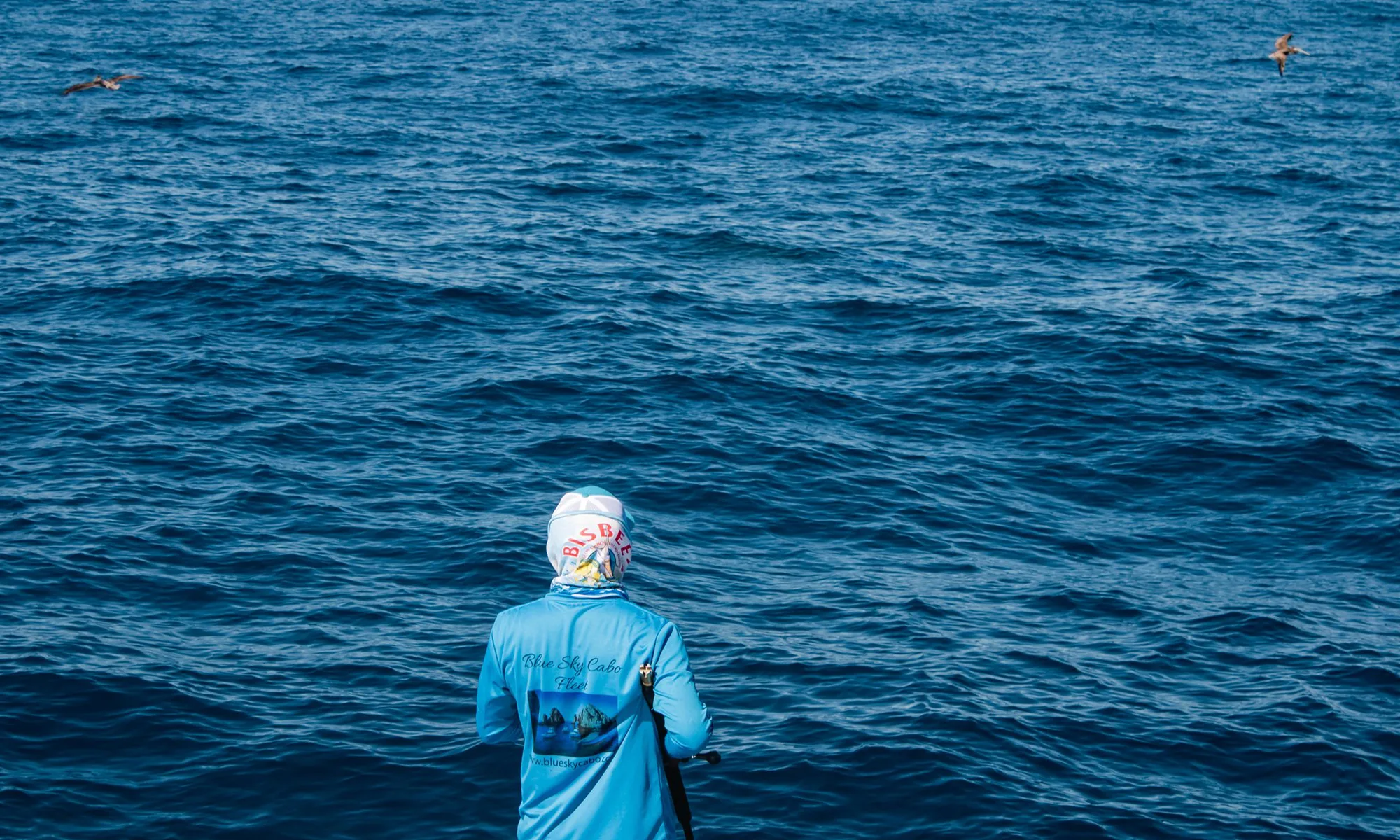
The outlines of this fishery are familiar. Cabo San Lucas sits right at the meeting point of two distinct bodies of water, where currents, temperature shifts, and underwater structures concentrate life close to shore. That geography partly explains the diversity. Striped and blue marlin, tuna, dorado, wahoo. It also explains why fishing here often begins minutes, not hours, after leaving the marina.
What this privileged location does not explain is how abundance is managed once the lines are in the water. Proximity compresses time. Runs are shorter. Days stretch longer. Opportunity multiplies. At the same time, excuses disappear. When fish are this accessible, success depends less on finding them than on deciding how to respond. When to keep fishing. When to change course. When enough is enough.
How Cabo’s Geography Shapes Decisions on the Water
For outsiders, fishing still carries a trace of romance. A rod bends, a reel screams, and the rest feels like chance. On a working charter, the reality is more deliberate. Successful days are assembled before the first line goes out, shaped by planning, coordination, and a series of small decisions that rarely announce themselves.
“People think it’s about luck,” says Jim Korszynski, Blue Sky’s founder. “But luck is a small part of it. Most of it is preparation and judgment.”
Crews prepare for variability rather than outcomes. Conditions shift. Currents move. Bait scatters. What looks effortless to a guest is usually the result of constant adjustment. Locations change. Timing shifts. Anglers rotate. Fatigue is managed. Even abundance must be handled carefully. When action comes fast, systems matter more.
Why Successful Sportfishing Operations Rely on Systems, Not Chance
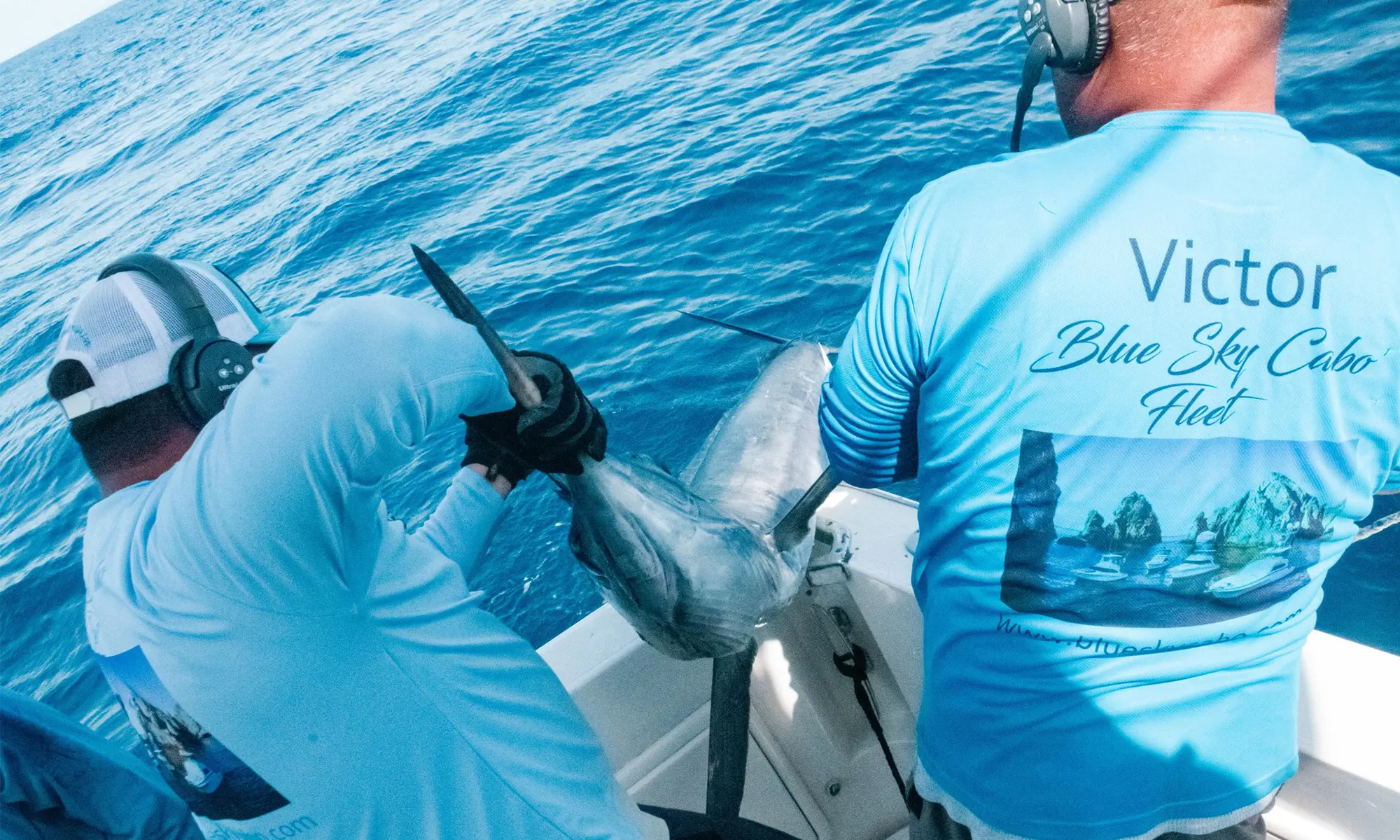
Those systems are implemented in practice by people who grew up in the fishery. In Cabo, captains are rarely made quickly. Many start young, washing boats or helping rig gear, absorbing conditions and routines long before they ever take the helm. From there comes time as a mate. Years spent watching how experienced captains read water, manage crews, and respond when plans unravel.
“It’s an apprenticeship,” Jim says. “You don’t rush someone into a captain’s seat out here.”
Knowledge circulates informally through the marina. Dockside conversations. Shared reports. Family ties that span generations and boats. Some information is traded freely. Some is guarded. Either way, it is local, cumulative, and earned through repetition.
The result is a professional culture with its own internal standards. Judgment is learned in motion, under changing conditions, and reinforced by a community that notices who handles pressure well and who does not. This is one reason Cabo’s fishery remains difficult to replicate elsewhere. Fish travel. Experience stays put.
What Separates Experienced Captains from Average Ones Offshore
Out on the water, most consequential choices are not flashy. Guests see the action when it arrives, not the decisions that shape the day around it. How long to stay on a fish; when to rotate anglers; when fatigue begins to outweigh momentum; when conditions are still manageable, and when they are no longer worth pressing.
Experience shows up more in restraint than in bold moves. Good captains recognize when a productive window has closed, even if the calendar suggests there is time left. They adjust early, before problems announce themselves.
“You can always keep pushing,” Jim says. “The harder part is knowing when not to.”
To an outsider, these moments may pass unnoticed. For the crew, they mark the difference between a day that holds together and one that starts to unravel.
How Conservation Actually Works in Day-to-Day Sportfishing
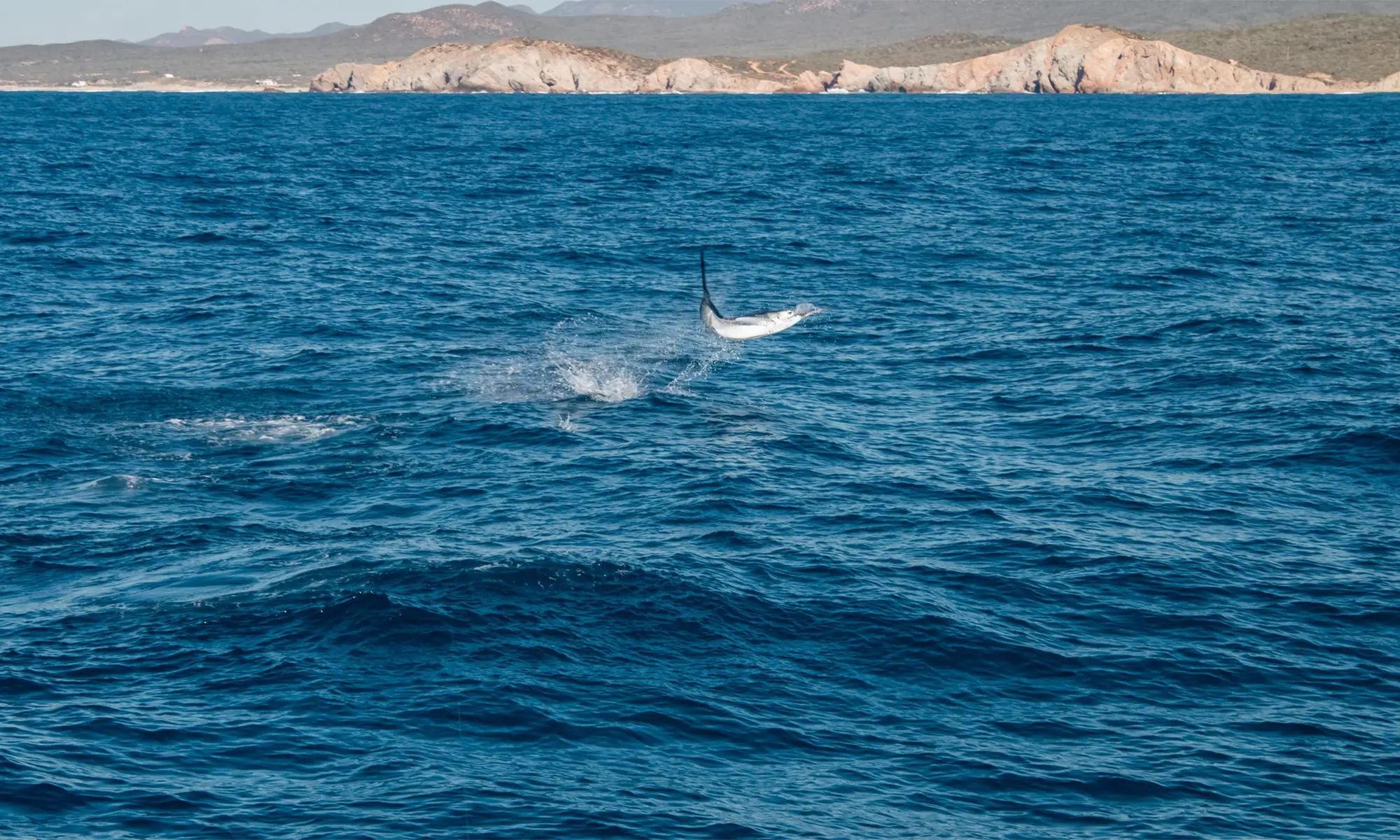
There are formal conservation programs in Cabo, like tagging and releasing certain species for research. But most conservation happens in the culture. In limits, in refusals, in habits that shape each trip. Marlin are released as a rule. Some requests are turned down before a booking is made. Others are worked out on the water, when expectations meet reality, and the captain decides what the day is really about.
These choices carry costs. Turning away certain clients means lost revenue. Ending a fight early can mean fewer photos. Stopping when there is still time on the clock can feel counterintuitive in a place known for abundance. Over time, those decisions accumulate. They set standards for crews, signal seriousness to repeat guests, and reduce pressure on a fishery that is visible, productive, and increasingly crowded.
Stewardship in Cabo is not framed as protection from afar. It is embedded in routine. A series of small constraints applied consistently, often without applause, and with the expectation that tomorrow matters as much as today.
What the Future of Sportfishing in Cabo Will Depend On
As Cabo continues to grow, pressure on the water will increase accordingly. More boats. More visitors. More demand compressed into the same productive corridors. The long-term health of the fishery will depend less on any single regulation than on how operators behave day after day, and how often they choose restraint over volume or judgment over spectacle.
Abundance made Cabo famous. What sustains it now is discipline, experience, and the willingness to treat a generous fishery not as an invitation to take more, but as a responsibility to manage well.