

|
Getting your Trinity Audio player ready...
|
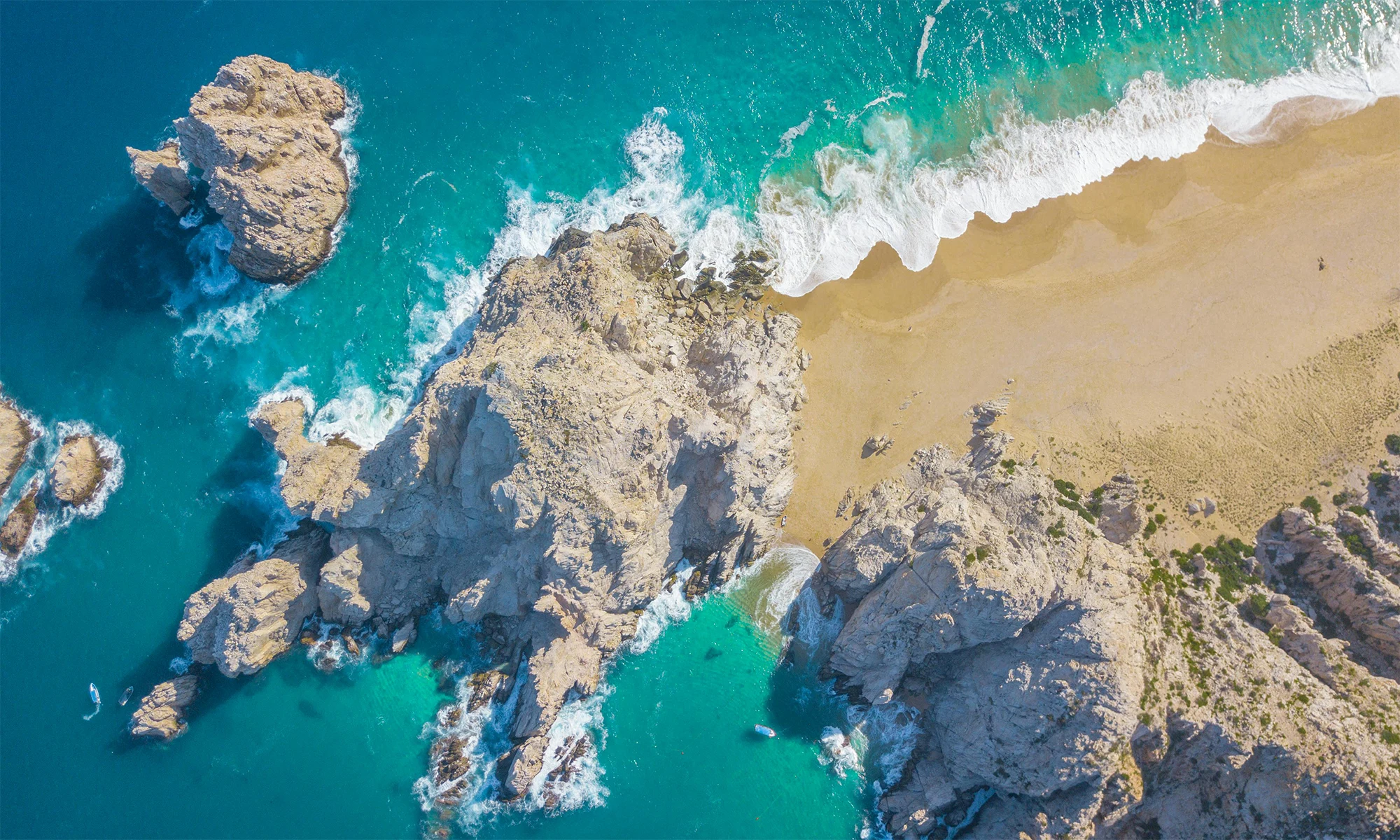
Winter in Baja is quiet but never still. While most of the Northern Hemisphere turns inward, the coastline here stays open, alive with movement. Mornings are cool, the light is steady, and the air carries a sense of calm. Marine life gathers close to shore, and the beaches shift into a different rhythm, shaped by the season, yet never closed off.
Los Cabos: Swimmable Coastline and Marine Activity
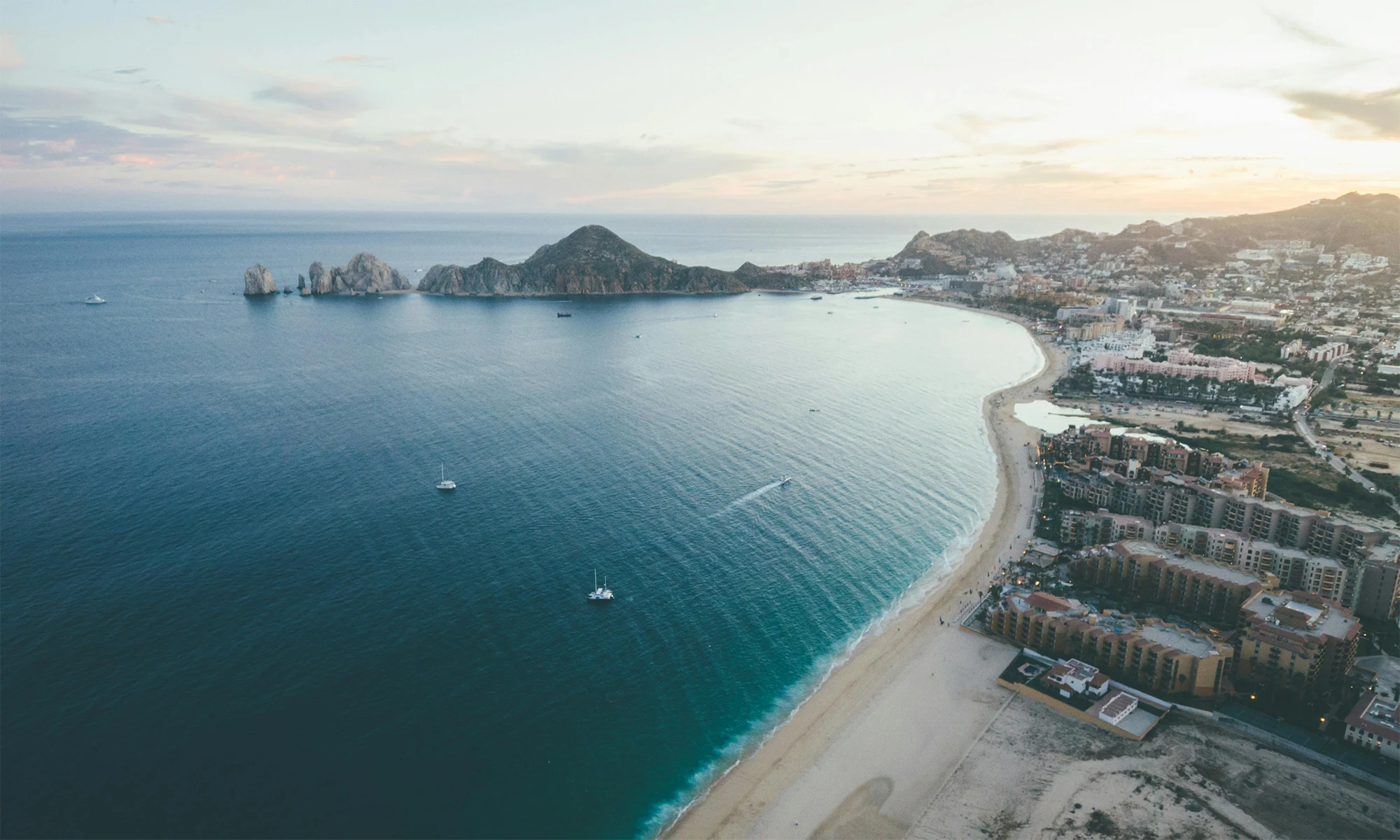
At the tip of the peninsula, Los Cabos offers some of the calmest water in the region. On the Sea of Cortez side, the coastline is protected from the Pacific’s rougher currents. Here, winter means clear, gentle water, good for swimming, snorkeling, or just drifting in the shallows.
Chileno Bay and Santa Maria Bay are the standouts. At Chileno, the water stays clear through winter, and you can swim or snorkel among reef fish just a few strokes from shore. Santa Maria, close by, is just as protected: good for kayaking, or for quiet mornings spent in the water.
Winter also coincides with the migration of humpback whales through Cabo’s waters. From December through April, sightings are frequent from tour boats departing Cabo San Lucas, often passing close to the same bays used for swimming.
El Medano Beach, right in the heart of Cabo San Lucas, moves at a different pace. The beach is long and open for swimming, lined with restaurants and beach clubs. Here, the energy is constant: more activity than quiet, with boats and people always in motion.
Farther east, Palmilla’s protected bay near San Jose del Cabo remains one of the area’s calmest swimming beaches. Gentle surf and predictable conditions make it a regular choice for residents and visitors alike.
East Cape: Open Water, Distance, and Light
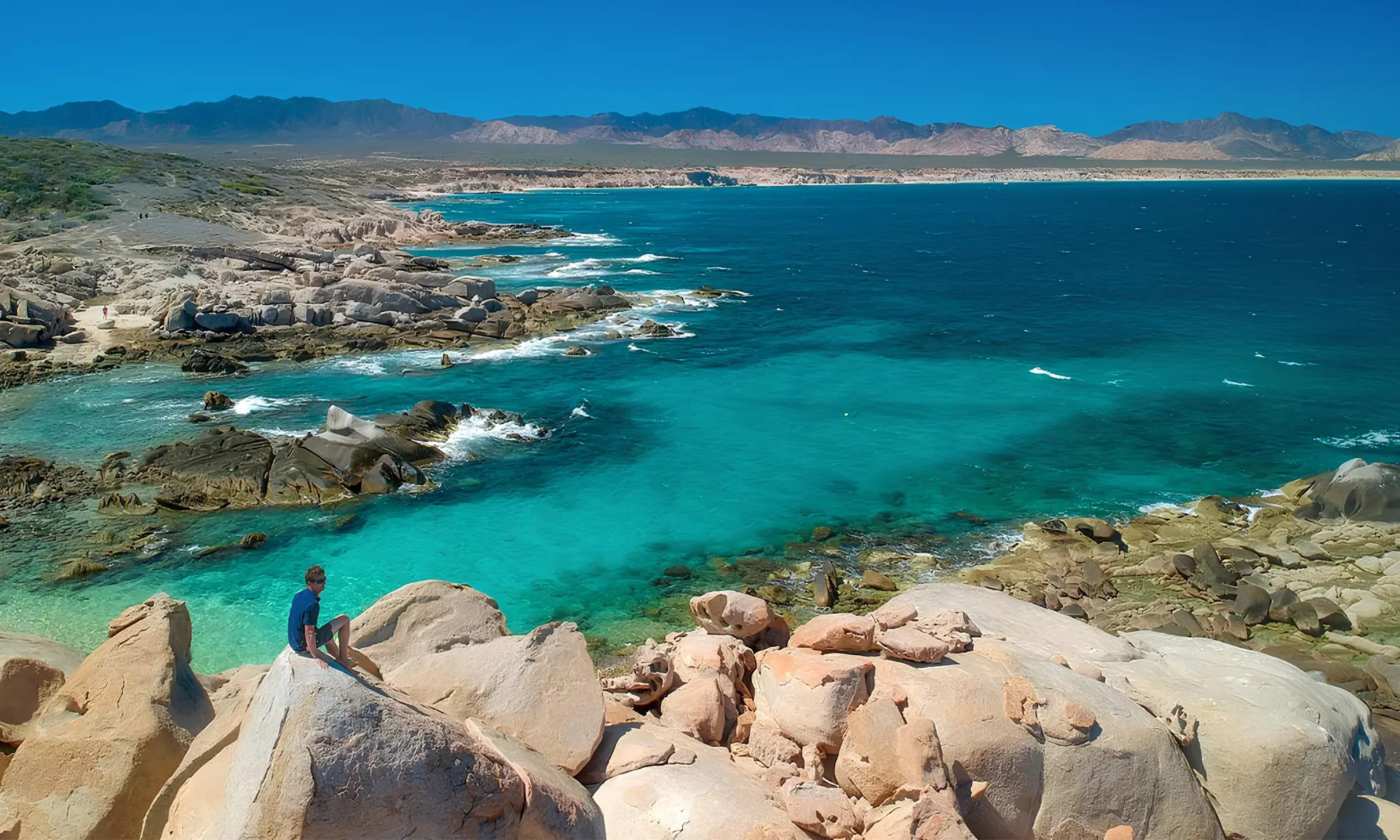
East of San Jose del Cabo, the coastline opens up. The East Cape feels quieter, with long distances and little development. Even the first beaches seem far away from town, and the land stretches out, empty and wide. The Sea of Cortez is always there, but without the crowds or the built-up feel of Los Cabos. Out here, the landscape decides the rhythm.
Nine Palms is one of the first beaches you reach on the East Cape. There’s not much built here, just open sand, big views, and a horizon that runs unbroken. Early mornings, when the wind is down, surfers line up for the long right-hand wave, and everyone else just watches the water.
Shipwrecks Beach, farther up the coast, feels even more remote. You get there by dirt road, and the sense of distance grows with every mile. Off-roaders and seasoned surfers come for the open water and the quiet. Here, the Sea of Cortez feels big. It’s more about space than about crowds.
La Fortuna is softer. The water is clear, the shoreline more sheltered. On calm days, you can swim or paddleboard here. The desert runs right up to the sea, and the beach feels both open and easy to reach, a mix that defines the East Cape in winter.
The Pacific Coast: Surf and Exposure
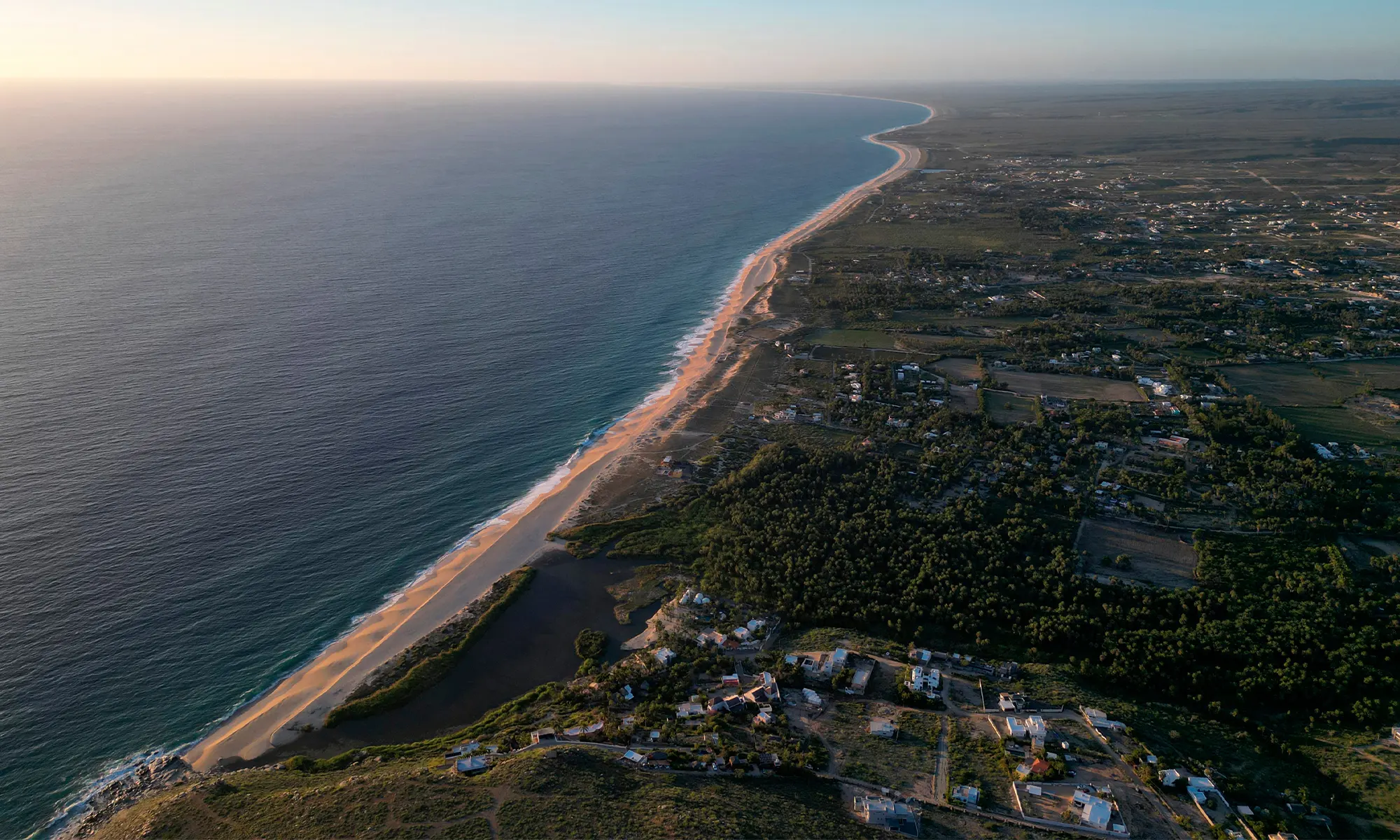
On the Pacific side, near Todos Santos and El Pescadero, the coast changes fast. The water is rougher, the beaches more exposed. Swimming isn’t the draw here, but surfing is, along with sunsets that drop straight into the ocean.
Cerritos Beach stands apart. The sand-bottom break brings steady, friendly waves, ideal for lessons, longboards, and anyone looking to get in the water. From November to April, the swells keep coming. The scene is still low-key: a few restaurants, surf schools, and open access for everyone.
This part of the coast is also where sea turtles nest. On winter evenings, you might see conservation groups gathering at dusk, letting hatchlings make their first run to the water. Visitors can watch or help as the turtles find the sea.
San Pedrito Beach, just down the road in El Pescadero, draws the more experienced surfers. There’s less foot traffic here. Away from the waves, the beach is ideal for long walks and wide-open views, especially as the sun sets over the Pacific.
A little inland, Todos Santos offers a different pace. The town is small, with galleries, local restaurants, and a historic center that feels tucked away from the coast. It’s a quieter rhythm, set just back from the ocean.
La Paz and the Sea of Cortez: Quiet Bays and Marine Encounters
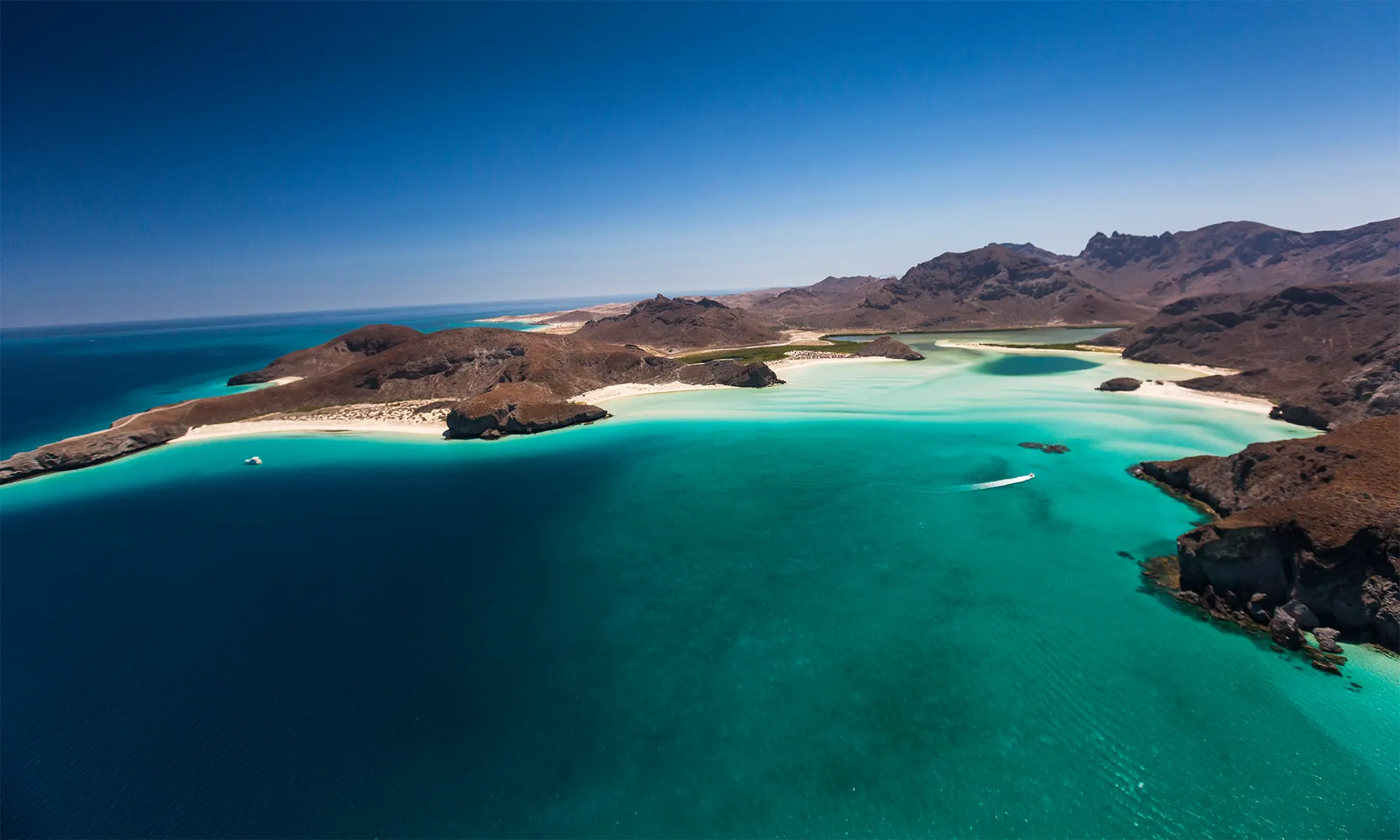
North of Los Cabos, the coast near La Paz spreads out into wide, shallow bays. The light is clear, the water calm. In winter, the wind drops, and you can walk far out before the sea gets deep.
Balandra is the best known. The bay is protected, so there’s little development. The lagoon is shallow and bright, perfect for kayaking or paddleboarding. Entry is timed, so getting in is part of the experience.
Nearby, Playa El Tecolote serves as a working launch point for boats heading toward Isla Espiritu Santo, a UNESCO-listed marine reserve. Winter marks the prime season for swimming with sea lions around the island and for snorkeling alongside whale sharks, which arrive in the bay from October through April. These migrations have established La Paz as one of the most reliable locations globally for close, regulated encounters with large marine species.
Loreto: Where Desert Mountains Meet the Sea
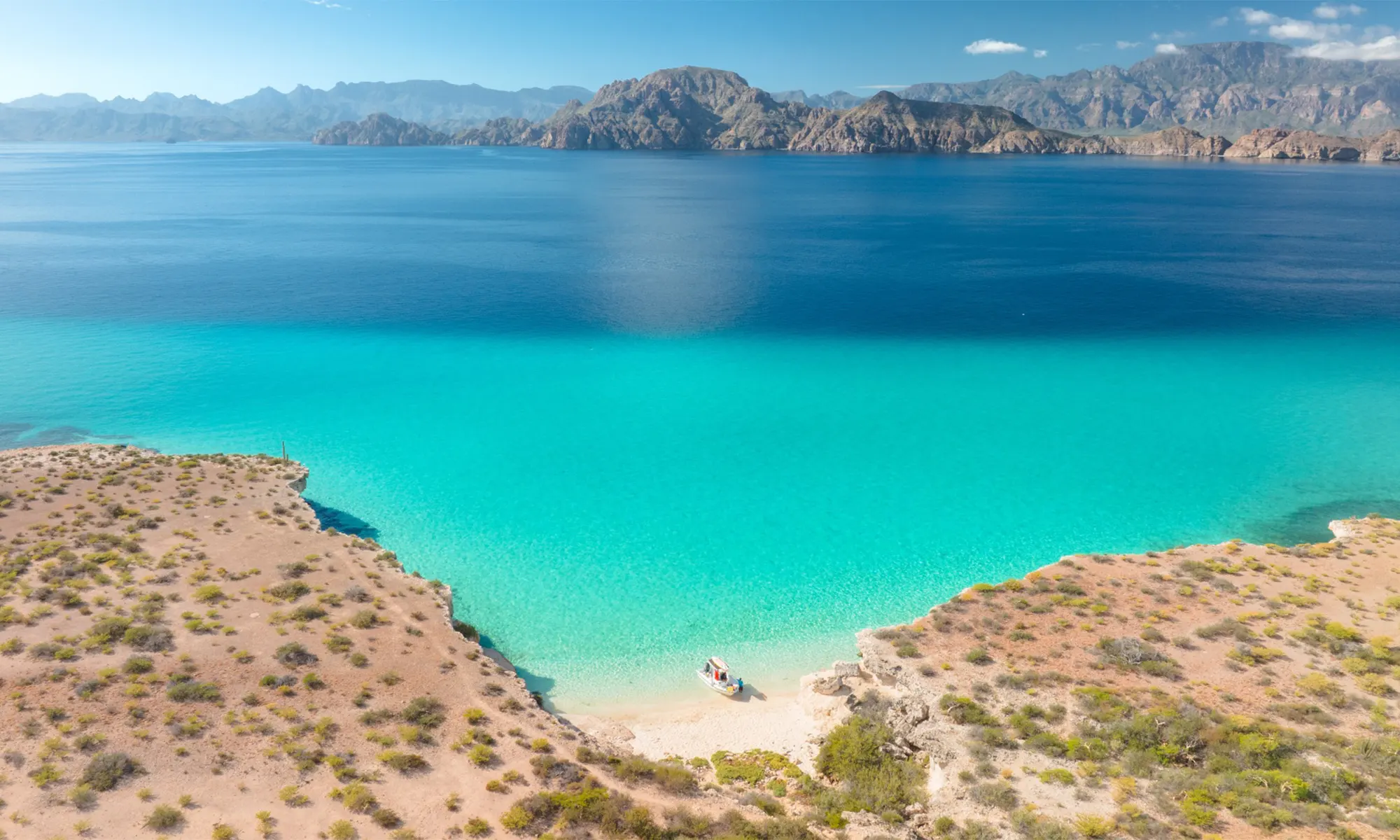
Up north, Loreto sits where the desert mountains meet the sea. The Sierra de la Giganta rises right behind town, pushing the land up against the water. Winter is steady here with cool mornings, calm water, and long, clear light that keeps the coast open but never harsh.
Playa Oasis is just off the malecon, close to town. The sand slopes gently, the water stays calm, and a few cafés and bars keep things relaxed. Early mornings, the beach is quiet, mostly just people out for a walk.
Juncalito Beach, farther south, is smaller and more contained. The water is calm enough for swimming or kayaking, and even when it’s busy, the beach feels quiet. From the water, you can look back toward Loreto, with Del Carmen Island sitting on the horizon.
Past town, the coast changes again. La Salinita Beach, about twenty minutes south, runs for almost two miles and is mostly untouched. The sand shifts from soft to pebbly, and shallow estuaries fill with birds in winter. As the sun drops behind the mountains, locals show up late, settling in for the last light of the day.
Ligui Beach is where the mountains hit the water all at once. Rocky outcrops frame clear, shallow water that’s good for snorkeling. There are few facilities, so most people come prepared and stay close to the shore, moving between the sea and a handful of palapa restaurants.
Ensenada Blanca, about twenty-eight miles south of Loreto, is where the desert opens into a wide bay. Part of the shore belongs to a resort, but there’s still public access. The water is shallow and clear, and cactus-covered hills stand out against the blue-green bay.
Offshore, Coronados Island is the anchor for marine life around Loreto. You get there by small boat. The island is uninhabited, with white sand, volcanic rock, and reefs all around. Sea lions, dolphins, tropical fish, and sea turtles are common here, inside a marine park that protects hundreds of species.
From January to March, blue whales gather offshore. Loreto is known as one of the best places anywhere to see them in the wild. It’s a reminder of what sets this coast apart in winter: big scale, quiet presence, and wildlife close by, without the show.