The Wild Still Lives Here: Rethinking Adventure in a Changing Cabo

Destino-Los-Cabos-magazine_blog_The Wild Still Lives Here_Rethinking Adventure in a Changing Cabo 01
Photo courtesy of Wild Canyon
Getting your Trinity Audio player ready...

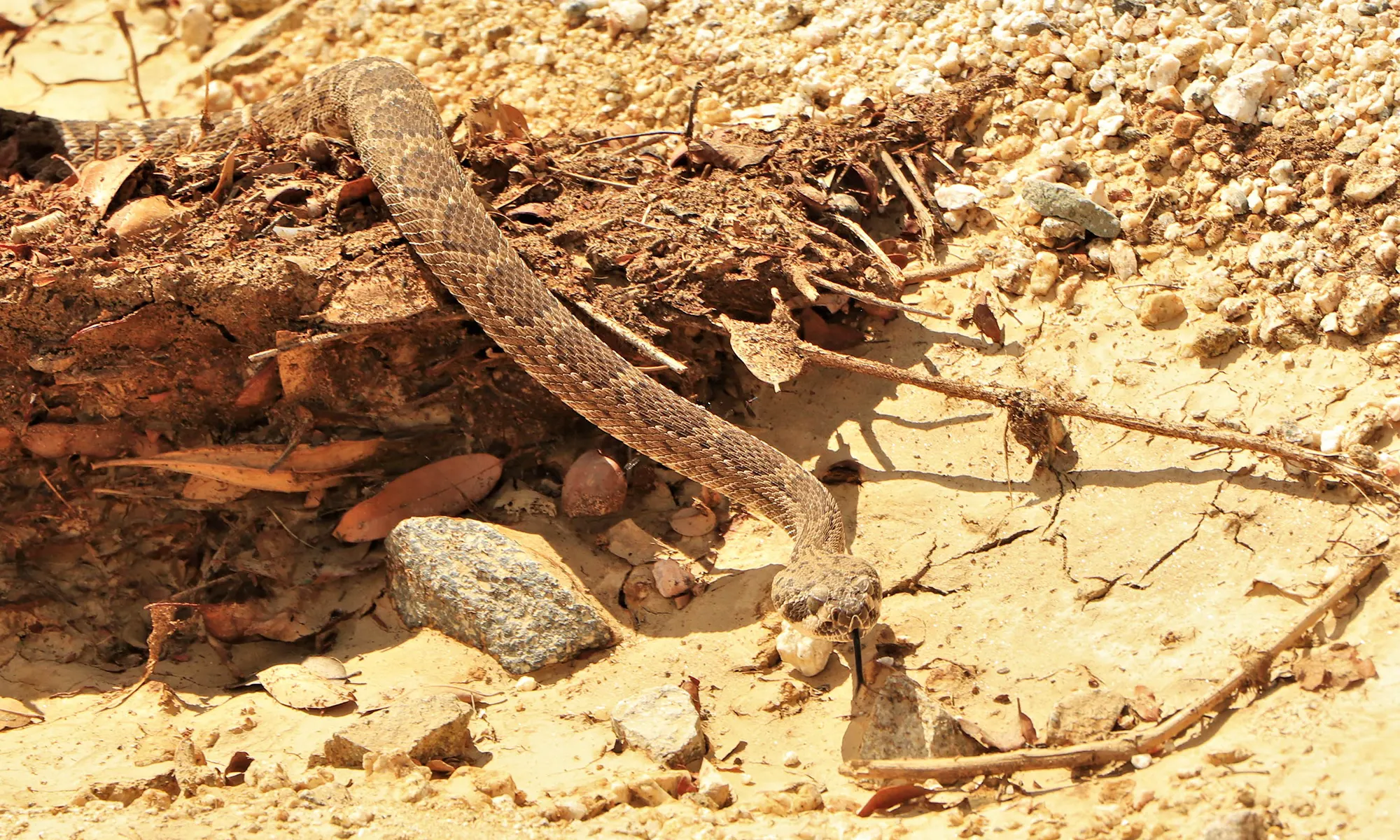
Driving through El Tezal in the outskirts of Cabo San Lucas at dusk, you don’t expect to see a fox. Yet one crosses the road, tail high, unhurried, before disappearing into the brush beyond the new houses. The moment lasts a heartbeat, but it underscores a truth: wilderness and city now share the same space.

Los Cabos has grown faster than almost any region in Mexico. Roads cut through once-silent arroyos; towers rise where the desert used to breathe. Adventure here was once defined by remoteness. Now it unfolds beside construction sites and paved trails. Visitors still come for open horizons, but each season the horizon moves farther away.

The question is not whether development should continue — it will — but whether tourism can exist without consuming the landscapes that give it meaning.

Defining Responsible Tourism

Destino-Los-Cabos-magazine_blog_The Wild Still Lives Here_Rethinking Adventure in a Changing Cabo 02
Photo courtesy of Wild Canyon

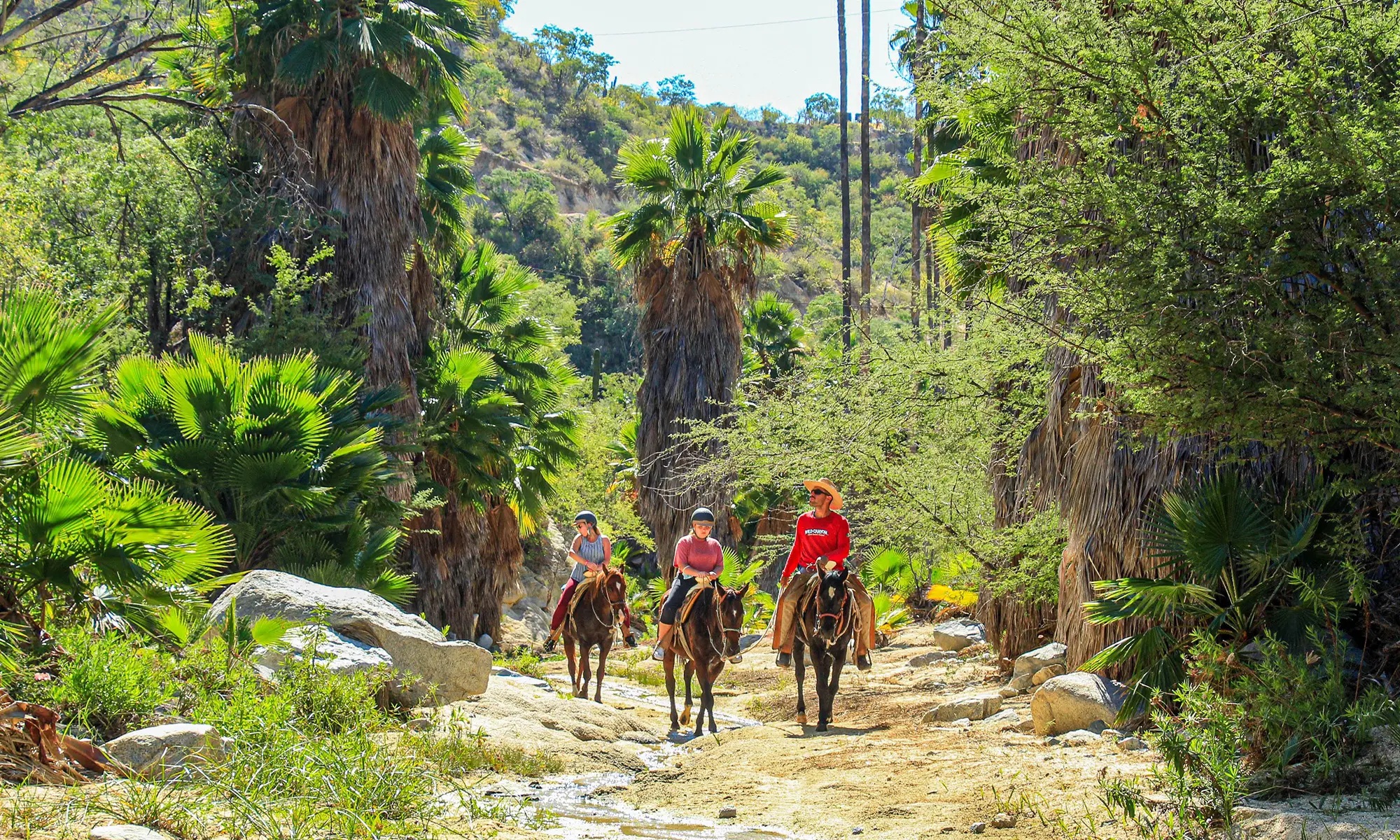
For Leon Robles, founder of Wild Canyon Adventures, an adventure park located in an unspoiled piece of land along the Los Cabos Tourist Corridor, responsibility begins with accepting that every visitor leaves a mark. “To not affect nature, we’d have to not exist,” he says. “The goal is to affect it as little as possible.”

He distinguishes between ecotourism, which focuses on experiencing nature, and responsible tourism, which shapes how one undertakes that experience. In his park, materials are chosen for low impact, new trails are avoided, and every cardón cactus and arroyo is mapped before work begins. The idea is to offer access without erasing what’s being accessed.

The distinction matters in a place like Los Cabos, where record tourism has collided with ecological limits. Growth fuels hotels and creates jobs, but it also strains water, waste, and land resources. Responsibility here is not a slogan or a trend; it’s the discipline of operating in a place whose environment can no longer afford carelessness.

A Canyon, a Sanctuary

Destino-Los-Cabos-magazine_blog_The Wild Still Lives Here_Rethinking Adventure in a Changing Cabo 03
Photo courtesy of Wild Canyon

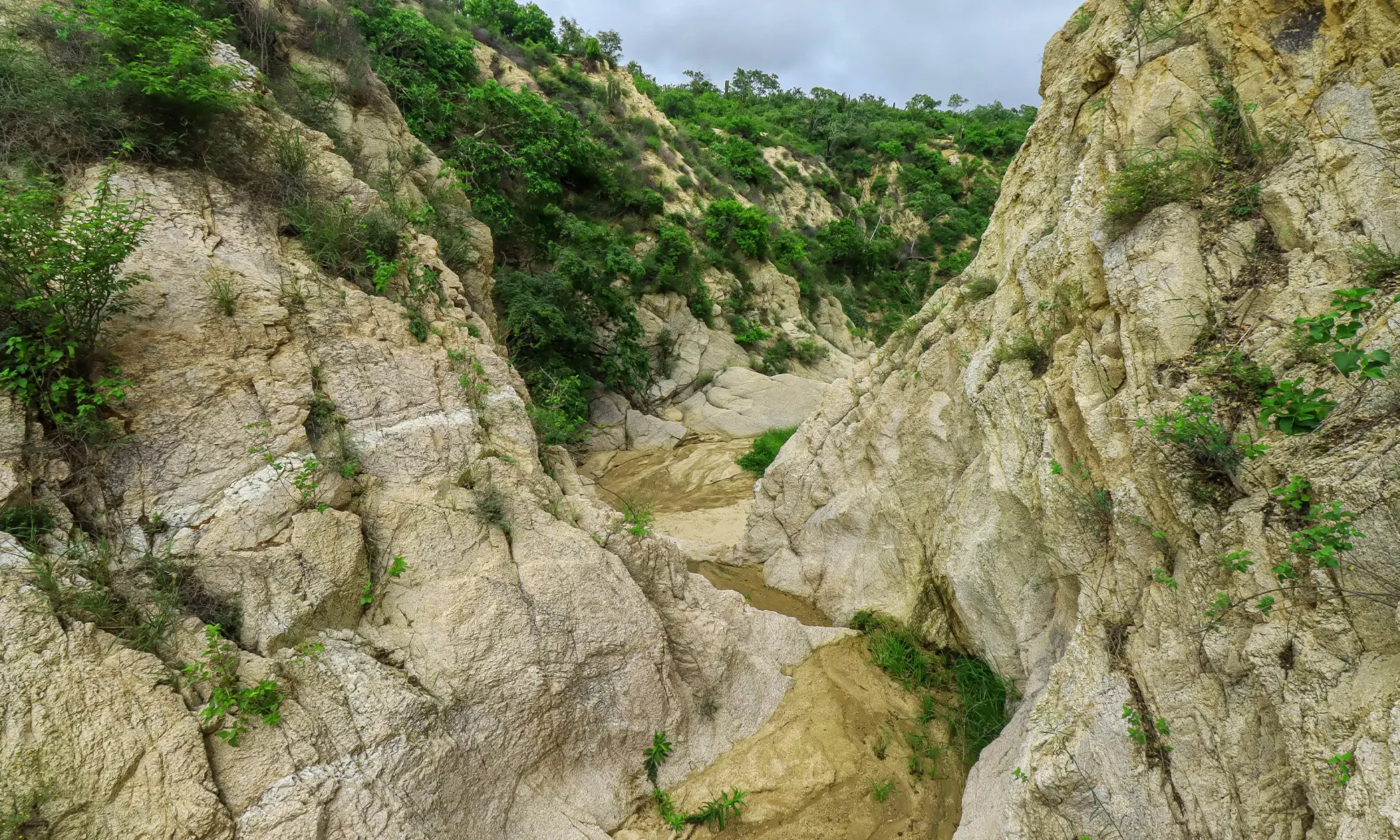
Wild Canyon spans 600 hectares of desert carved by an ancient riverbed. It’s a pocket of wilderness within the tourist corridor. Only about twelve hectares are built upon; the rest remains untouched, a mix of palms, mesquite, and arroyos. Leon says each tree and cactus was surveyed before construction began, and motorized routes follow pre-existing ranch trails.

The park’s most unexpected feature is an animal sanctuary, created after Leon was asked to adopt animals left behind by a closed Mexico City zoo. He secured permits, built enclosures through an environmental management program, and turned the project into both a refuge and a classroom. Visitors, especially children, feed parrots and tortoises while learning that every species there was rescued.

“It’s not about seeing them behind a cage,” Leon says. “It’s about giving them a life and helping visitors understand their value.” In a destination that often equates adventure with spectacle, Wild Canyon suggests another form: experience that teaches rather than consumes.

The Cost of Growth

Destino-Los-Cabos-magazine_blog_The Wild Still Lives Here_Rethinking Adventure in a Changing Cabo 04
Photo courtesy of Wild Canyon

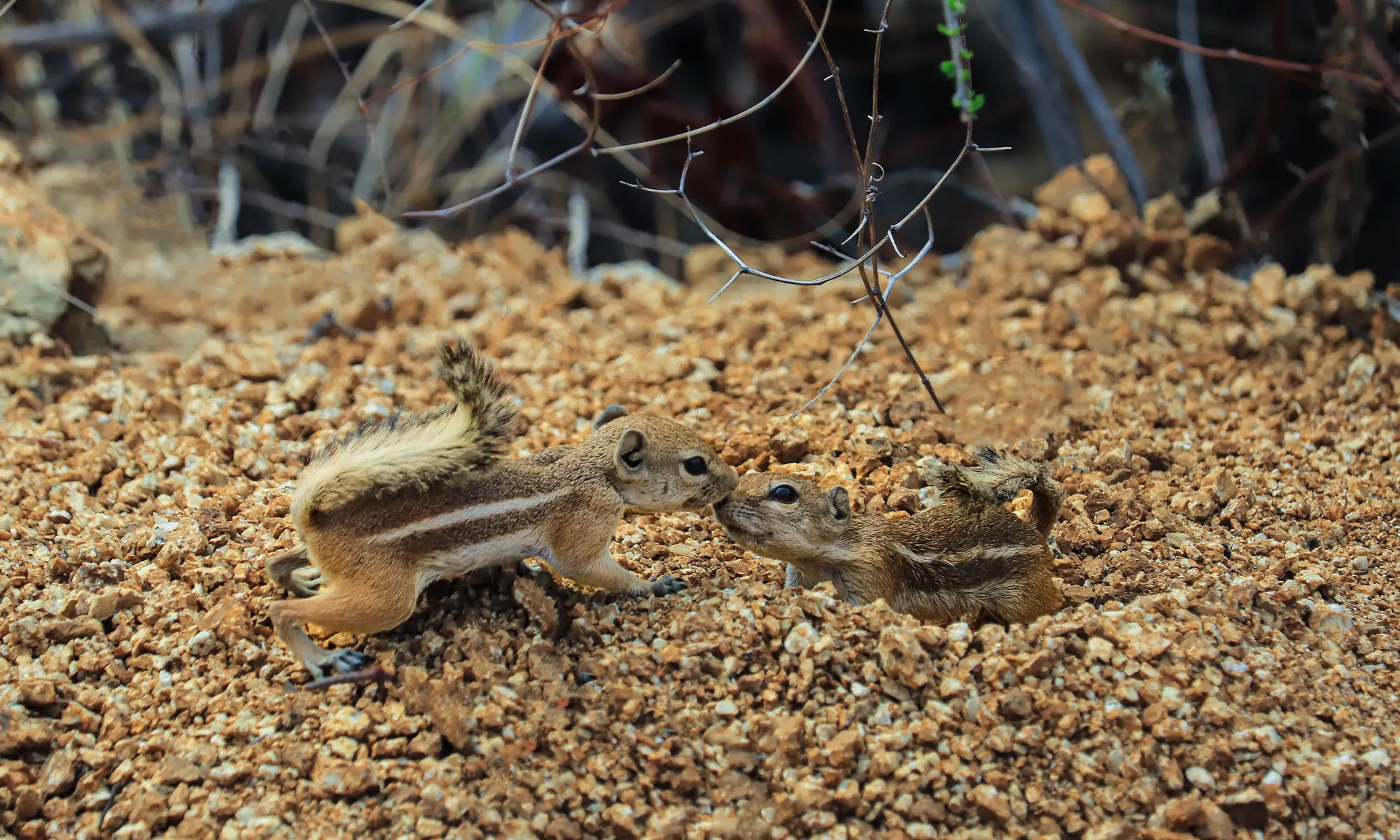
Beyond the canyon, the view changes quickly. The corridor between Cabo San Lucas and San Jose del Cabo is now a line of construction cranes, its hills carved for villas and golf courses. Each new project narrows the wild corridors where foxes, deer, and lizards once moved freely. “They’re still here,” Leon says, “but it’s us who invaded their space.”

From the air, the cost is visible. Leon, a frequent paraglider, has seen the coastline darken with outflows from hotels and settlements. “We’re damaging the sea,” he says. “There’s no proper treatment plant in San Lucas or San Jose.” Discolored water, fewer fish, and the pipes that empty into the surf tell the same story.

The Path Forward

Destino-Los-Cabos-magazine_blog_The Wild Still Lives Here_Rethinking Adventure in a Changing Cabo 05
Photo courtesy of Wild Canyon

Leon argues that growth must come with obligations: wastewater treatment, proper land use, and investment in public infrastructure, not just resorts. “Baja California Sur’s value to the world is its unique and vast biodiversity. That’s what we cannot compromise.”

He points to Cabo Pulmo as proof that recovery is possible. This reef was once overfished, but now thrives as Cabo Pulmo National Marine Park, a UNESCO World Heritage site. Extending that success inland, he says, would require more than rules: it would mean a cultural shift in how people relate to place. The wild, in his view, isn’t a backdrop for tourism but a living system that demands reciprocity.

Driving back through the corridor at night, city lights spill across the sand. Somewhere beyond them, the fox moves unseen through the dry riverbed. Its presence is a reminder and a measure: the wild endures, but only as long as those who profit from it remember it exists.