

|
Getting your Trinity Audio player ready...
|
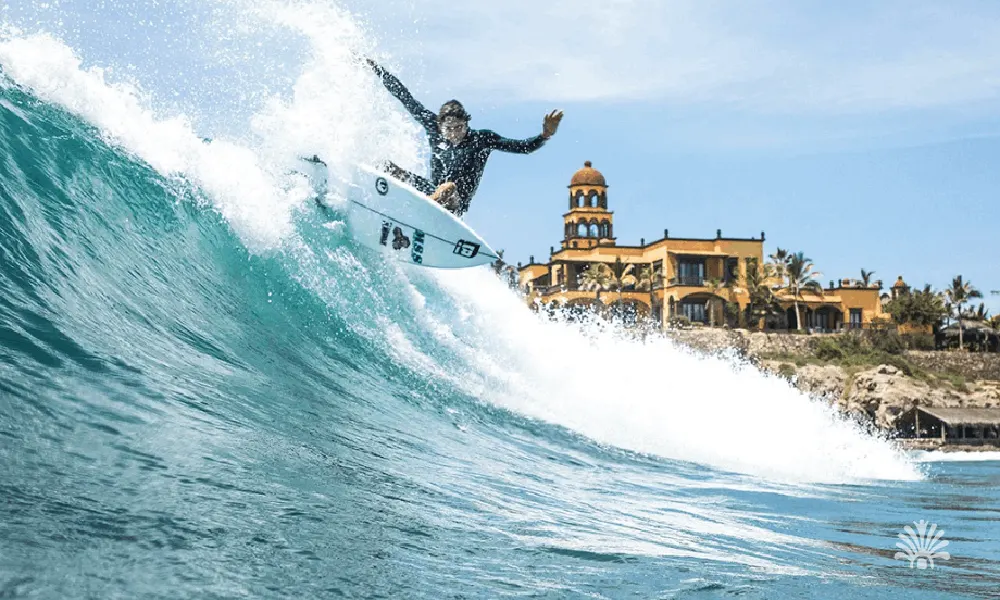
We all know that surfing in Baja is spectacular. There are waves all year round thanks to the southern swells that come through the Sea of Cortez and the northern swells that hit from the Pacific. For surf aficionados, this plays a significant role in the decision to buy a vacation property or even live here full-time. So, let’s dive into how the seasons work around these parts and what kind of surfing-aligned properties we can find.
Explore more about real estate opportunities across the region.
Scorpion Bay: Endless Rides and Off-Grid Charm in San Juanico
The main winter spots (north swells) in the state begin in San Juanico, home to the fifth-longest wave in the world. San Juanico is a fishing village located 335 miles north of Cabo San Lucas on the Pacific coast. The routine there is nothing but surfing, eating, sleeping, and repeating. When a solid south swell hits in summer, it can line up multiple points at Scorpion Bay for rides that stretch over one-third of a mile.
Even on smaller days, the mellow takeoffs and long rights make it a dream spot for both short- and longboarders. The town remains rustic and off-grid in spirit, with solar-powered homes, a few local casitas, and a small yet tightly knit surf community. Many surfers camp on the bluff or stay in simple rentals, living by the tides and watching perfect lines peel through the bay.
Todos Santos and La Pastora: Artistic Living and Long Walls
Heading south down the coast, there are various surf spots to explore, but the best-known start in Todos Santos, a historic town built on an oasis facing the Pacific Ocean.
La Pastora is a prime surf destination in Todos Santos, known for its fast and barreling waves. It’s also a favorite for longboarders on smaller swells, with long, tapering shoulders and relatively uncrowded lineups.
The vibe in Todos Santos is laid-back and artsy, a blend of local Mexican families and expat creatives. Surf sessions often end with fish tacos and local craft beer at town cafés. During the high season, there’s usually some live music or a film festival to catch.
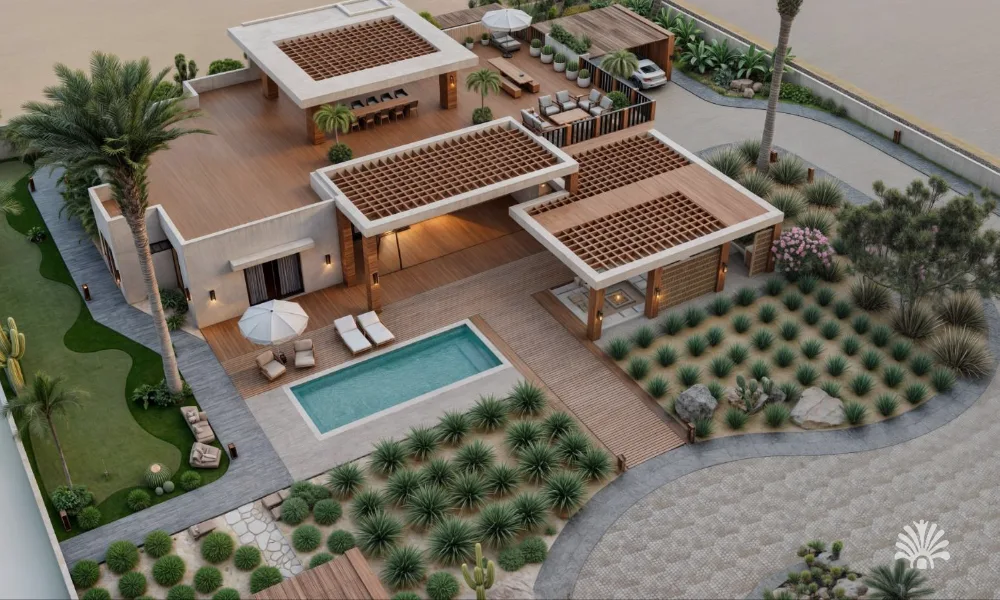
This area is also home to a brand-new development called Pastora Fields, featuring five four-bedroom houses, each with 400 sq. ft. of land. Real estate in the region tends to favor low-rise, eco-conscious designs, often with rooftop decks for checking the swell and watching the sunset over the Sierra de la Laguna.
Cerritos and San Pedrito: Surf Schools, Villas, and Everyday Waves
Continuing south, we reach San Pedrito and Cerritos, famous for their double-to-triple-overhead winter waves. In Cerritos, you can take lessons at Mario’s Surf School, a local institution. San Pedrito is best for confident surfers, with fast takeoffs and powerful right-hand walls. Cerritos offers more beginner-friendly beach breaks that work almost every day of the year.
The beach scene at Cerritos is lively, featuring surf schools, casual beachfront restaurants, and even occasional surf tournaments that draw a crowd. Cerritos is one of the few spots in the region with truly swimmable surf, making it popular with families, too.
The area features growing condo developments and numerous land options. Expect to find both modern villas and simple palapa-roofed casitas, along with off-grid lots on the hills overlooking the Pacific. There’s a growing trend among remote workers and digital nomads of choosing Cerritos for its balance of a surf lifestyle and access to basic amenities. Condo buildings are a feature of Cerritos, setting it apart from Todos Santos or the neighboring Pescadero.
La Curva: Remote Surfing and Rugged Living
On the highway toward Los Cabos, there’s La Curva, a heavy water wave that rises with power; if you manage to ride it, you’ll be celebrated by the sea lions echoing from the nearby rocks.
La Curva doesn’t break often, but when it does, it’s a hollow, fast right-hander best left to experienced surfers. The beach itself is raw and undeveloped, with nothing but cliffs, sand, and the occasional tent or camper van. The few who come here are looking for solitude, and the surf, when it hits, can be unforgettable. Some small-scale eco-builds are popping up nearby, powered by solar systems, aimed at those who value remoteness over convenience. A small off-grid community is starting to develop.
Monuments and City Surf: Cabo’s High-Performance Waves and Real Estate
As we enter Los Cabos, we’re met with a wide variety of waves. From west to east: Monuments is a year-round wave, intermediate to advanced level required. Watch out for sea urchins and rocks.
Since we’re now in the city zone, condo and house options increase in price significantly; it’s just a matter of finding one that fits your vibe and budget.
Monuments is a fast, left-breaking wave that gets especially good on south swells. On a clear summer morning, it can throw tubing sections just steps away from cliffside condos. Costa Azul Surf Shop and other local outfitters make it easy to rent gear or take a guided session. The community of surfers here ranges from locals with decades of experience to globe-trotters who make Cabo a seasonal stop.
El Tule: Local Favorite with a Laid-Back Feel
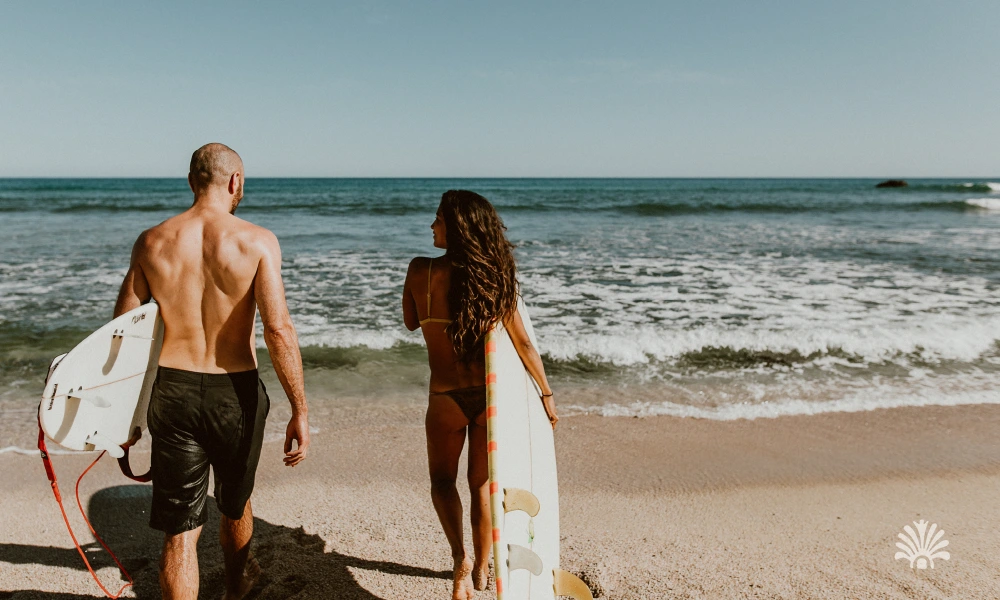
From here on, we need the summer south swells to be on. El Tule offers a mellow and versatile wave, making it great for both beginners and intermediates, depending on the conditions. Nearby, you’ll find high-end gated communities with houses and condos to pick from.
El Tule is a local favorite, with a river-mouth setup that creates playful peaks in both directions. It’s less crowded than Cabo’s more famous breaks, and the vibe is laid-back. The beach has space for parking and even camping. While it’s just a short drive from major resorts, it feels surprisingly undeveloped. Many who surf here are locals squeezing in a session before work, adding to its relaxed character.
Costa Azul: A Hub for All Levels and Surf Culture
Then there’s the famous Costa Azul Beach, offering four distinct surf spots ranging from beginner to advanced: Acapulquito, La Roca, Pescaditos, and Zippers. Surf in Cabo school is located right on this beach, offering an incredible learning vibe.
This area is filled with condos offering beautiful views overlooking all four breaks. Zippers is the star here — a fast right-hander that has hosted international competitions like the Los Cabos Open of Surf.
Meanwhile, Acapulquito is gentle and perfect for first-timers and longboarders. The surf zone is active from dawn, with local rippers, surf school vans, and families enjoying the beach. If you’re into convenience, this is prime territory, with cafés, board rentals, and even yoga studios just a few steps from the sand.
La Bocana: Hidden Potential at the San Jose Estuary
Wrapping up Los Cabos, we have La Bocana, located at the estuary in San Jose del Cabo, a fantastic wave when conditions line up. In this area, you’ll want to explore homes in San Jose, where the lifestyle is defined by its art walk and charming alleyways lined with top-tier restaurants.
La Bocana is fickle, often closing out or lying dormant. Still, when a storm reshapes the sandbar just right, it becomes a dreamy A-frame with tubing potential. Locals watch it carefully, waiting for that rare magic day. The surrounding zone near the estuary is protected, so development is limited. But nearby neighborhoods offer walkable access to both surf and culture.
East Cape Highlights: Shipwrecks, La Fortuna, and Nine Palms
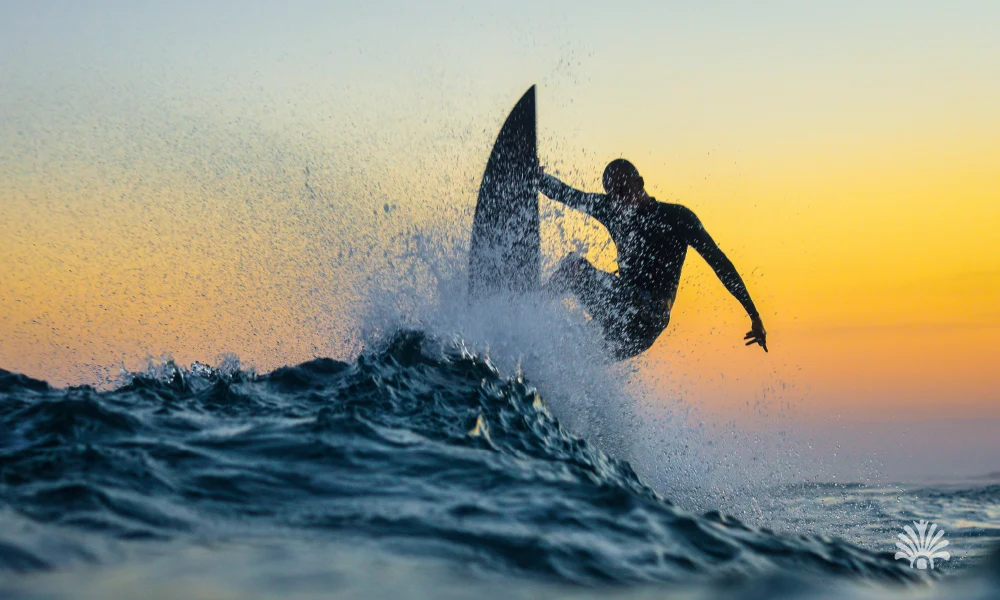
Now, let’s jump over to the summer paradise powered by southern swells: the East Cape. The most recognized and increasingly visited spots include Shipwrecks, a favorite that holds big swell. Around it, you’ll mostly find lots for development and a beachfront community of beautiful homes at Playa Tortuga.
Shipwrecks is a right-point break over rock and reef, and it’s known for its speed and power. It’s not for beginners. Advanced surfers chase hurricane swells here for the chance to get barreled. The dirt road that leads to it adds to its mystique. You earn your session. Some properties here are truly off-grid, relying on solar and trucked-in water.
La Fortuna is renowned for its longboard contests and is home to the only sushi restaurant in the East Cape, with a growing community forming around it. The wave is forgiving, with soft takeoffs and mellow shoulders, ideal for stylish long rides. A handful of surfers have settled in the area full-time, creating a small surf village vibe with pop-up restaurants, fire pits, and an easy rhythm to life. It’s a great place to meet people after a session, often over fresh fish tacos and a shared cooler.
Nine Palms is a versatile wave that can go from longboard-friendly to high-performance. You’ll often see foreign families camping in RVs on this beach, exploring the nearby lots for sale. When a clean south swell rolls in, Nine Palms lights up with long cruising rights that seem to go on forever. It’s remote, but the reward is solitude, nature, and style-focused surfing. The palm grove gives the beach its name, and many who visit end up coming back again and again, drawn to its timeless feeling.
A Surf-Focused Lifestyle on the Baja Peninsula
This is just a taste of what Baja has to offer surfers, with countless hidden spots waiting to be explored. From point breaks to beach breaks, and from off-grid cabins to surf-view condos, this coastline provides more than just great waves; it offers a unique way of life. Whether you are chasing barrels or enjoying a coffee after your early morning surf session, the Baja surf scene has a rhythm that is hard to leave behind.
This article was originally published in the REMEXICO blog and is republished here with permission. The original article was written by Alejandro Donnadieu. The version you’ve just read has been expanded by the Destino team using our own research. Any inaccuracies introduced in this updated version are solely the responsibility of Destino, not the author.

Alejandro is a bilingual real estate expert who helps buyers and sellers feel secure in their transactions in Cabo. He has experience assisting both foreigners and Mexican nationals purchase real estate in Baja and loves the East Cape.